
• Thai-listed company DV8 has announced plans to build a corporate treasury of 10,000 Bitcoin.
• Blockchain AI Convergence: Fact-Check & Market Guide (2026)
• DoorDash, Chainlink & Oblong Market Shifts Guide (2026)
• PsiQuantum has started building its million-qubit quantum facility. Scientists say a machine this po
• Anthropic Discontinues Subscription Support for Third-Party Tools
• XRP ETF Forecasts & Bitmine’s $20B ETH Bet: 2026 Analysis
• DoorDash, Chainlink & Oblong Market Shifts Guide (2026)
• SEC v. Ripple Case Ends: XRP Outlook & Monero 51% Attack (2026)
• Crypto Market News: Regulatory Shifts & Corporate Volatility (March 2026)
• Crypto & Tech Market Trends 2026: Pi, XRP, Robotaxi Safety
Kraken's Ransom Refusal Signals New Phase in Exchange Security Battles
2026-04-14 14:53:15
## The New Frontline: Internal Vulnerabilities
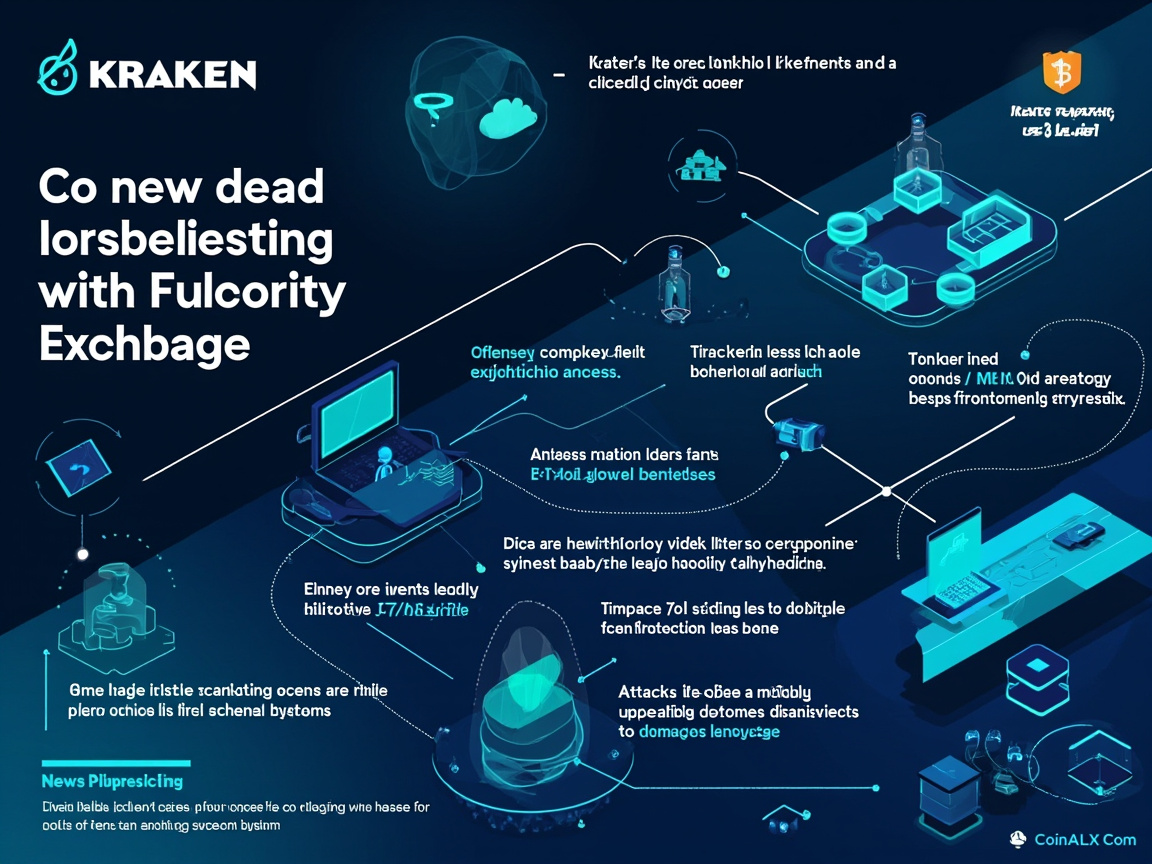
Kraken's recent incident wasn't about technical flaws. Attackers bypassed firewalls and encryption, targeting the weakest link: internal system access. They obtained videos showing customer data from internal systems, threatening exposure. This highlights how attackers now exploit organizational weaknesses—internal personnel, outsourcing chains, and permission management—rather than relying on sophisticated hacking techniques.
Timing reveals strategic patience. In February 2025, two "unauthorized access" incidents occurred, the latest involving 2,000 accounts, before the ransom attempt. Attackers are testing and accumulating leverage. They recognize that directly stealing assets is difficult, but compromising customer data creates panic and damages credibility. Similarly, in May 2025, Coinbase faced a $20 million ransom after outsourced staff accepted bribes, leaking 70,000 users' data through identical attack paths: bypassing technical defenses to strike organizational soft spots.
Security battles have evolved: it's no longer about whose code is stronger, but whose organization is tighter.
## The Real Contest: Organizational Resilience
This competition isn't about product differences but organizational toughness. Attackers now focus on two aspects: proximity to customer data and vulnerability of internal processes.
Kraken's Chief Security Officer stated "systems were never breached," which is technically true but insufficient. Systems remained intact, but internal permissions were exploited. Attackers don't need to breach systems—they just need one authorized person, one outsourcing link, or one management oversight.
Data shows: in March 2026, major crypto incidents caused over $178 million in losses, with authorization abuse as the primary attack vector. Victims "unknowingly approved transactions," granting hackers direct fund access. This stems from internal process gaps, permission management failures, and organizational defense weaknesses.
Among exchanges, technical gaps are narrowing, but organizational management disparities are widening. Large exchanges maintain security teams but face layered complexities with outsourcing, third parties, and internal permissions. Smaller exchanges with limited resources may struggle with basic audits. Attackers specifically target these gaps—they compete not through technology but by identifying who is easiest to dismantle from within.
This contest isn't about technological superiority but organizational rigor and decisive response. Kraken's "no negotiation" stance is both attitude and strategy—cutting off attackers' expectations while retaining internal pressure.
## Reality Check: Security Costs as a Dividing Line
Three trends will become increasingly evident.
First, security costs will diverge sharply. Large exchanges must invest more in strengthening internal defenses: stricter permission management, denser internal audit processes, higher outsourcing thresholds. These costs will directly impact operational expenses. Smaller exchanges that can't keep up risk being targeted by attacks or overwhelmed by compliance.
Second, attacks will become more precise and persistent. As seen here, attackers first probe (February's "unauthorized access"), then accumulate (2,000 accounts), before attempting extortion. They don't aim to steal all assets at once but apply sustained pressure to find weaknesses. Exchanges will face not sudden attacks but long-term infiltration.
Third, users will vote with their feet. When technical security becomes standard, organizational security becomes the differentiator. Users will start asking: Is your outsourcing secure? Can you control internal permissions? Can your staff resist temptation? These questions are more critical than "Do you have cold wallets?"
What should investors watch? Monitor exchanges' security investment structures. If they only emphasize technical protection or cold wallet percentages, they may already be behind. Focus instead on: internal audit frequency, outsourcing management details, permission approval processes. These are the next-phase security moats.
The outcome won't be one exchange being breached, but many being crushed by costs. Security battles have transformed from technical races to organizational endurance tests—those who can't sustain will gradually exit.
For ordinary users, practical advice: when choosing an exchange, asking "How do you manage internal permissions?" might be more useful than asking "Do you have two-factor authentication?"
The market won't collapse from one ransom attempt, but ongoing stress tests will reshuffle rankings. Security has finally transitioned from a technical department KPI to the entire organization's survival line.
| DISCLAIMER: The information on this website is provided as general market commentary and does not constitute investment advice. We encourage you to do your own research before investing. |
Recommended reading





Latest News