US Missile Shortage Complicates Iran Strategy and Strains NATO Commitments
2026-05-04 02:17:58
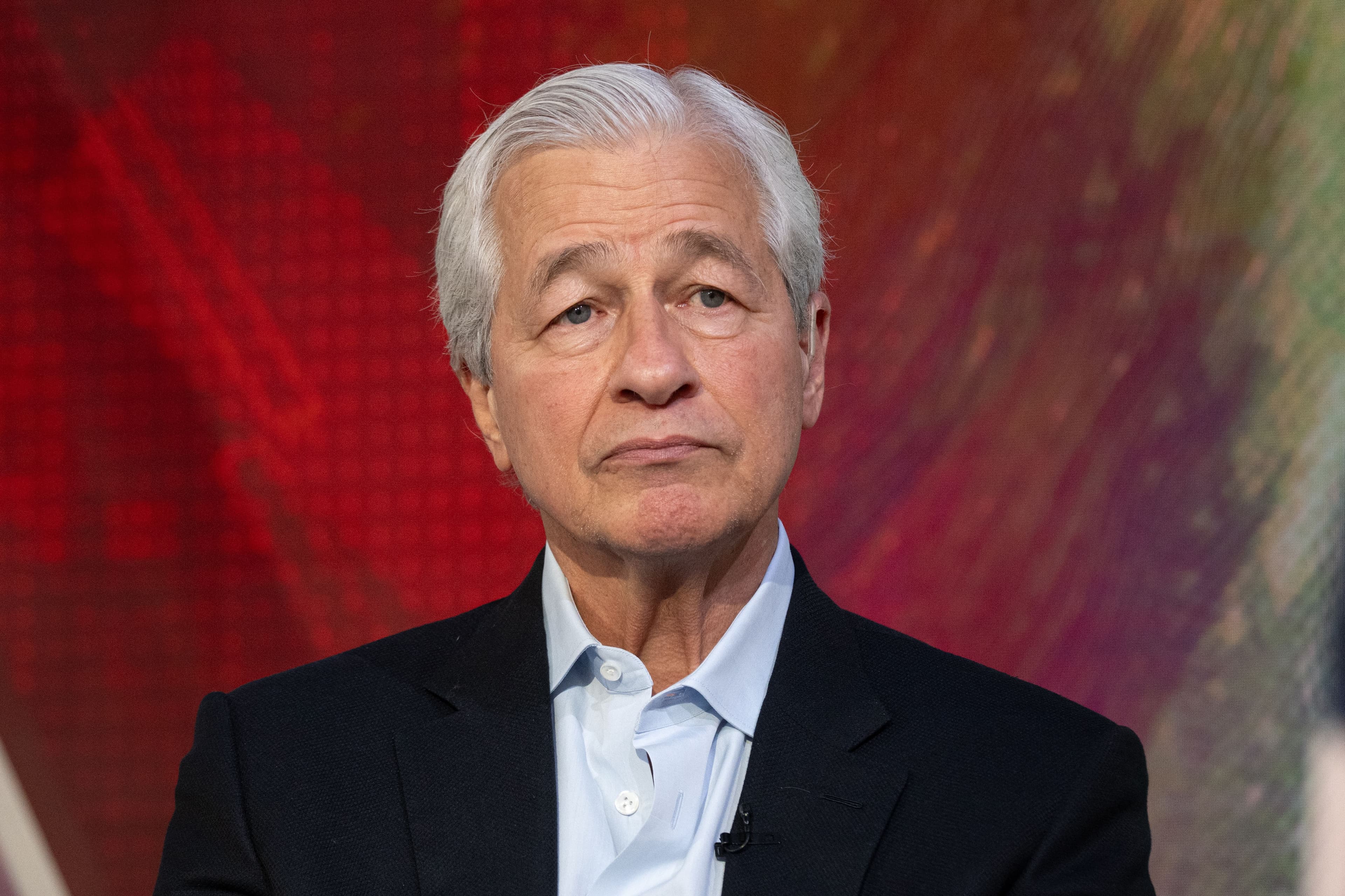
German Chancellor Merz recently dropped a bombshell: the US is running low on missiles, and Germany's request for Tomahawk cruise missiles? Not happening.
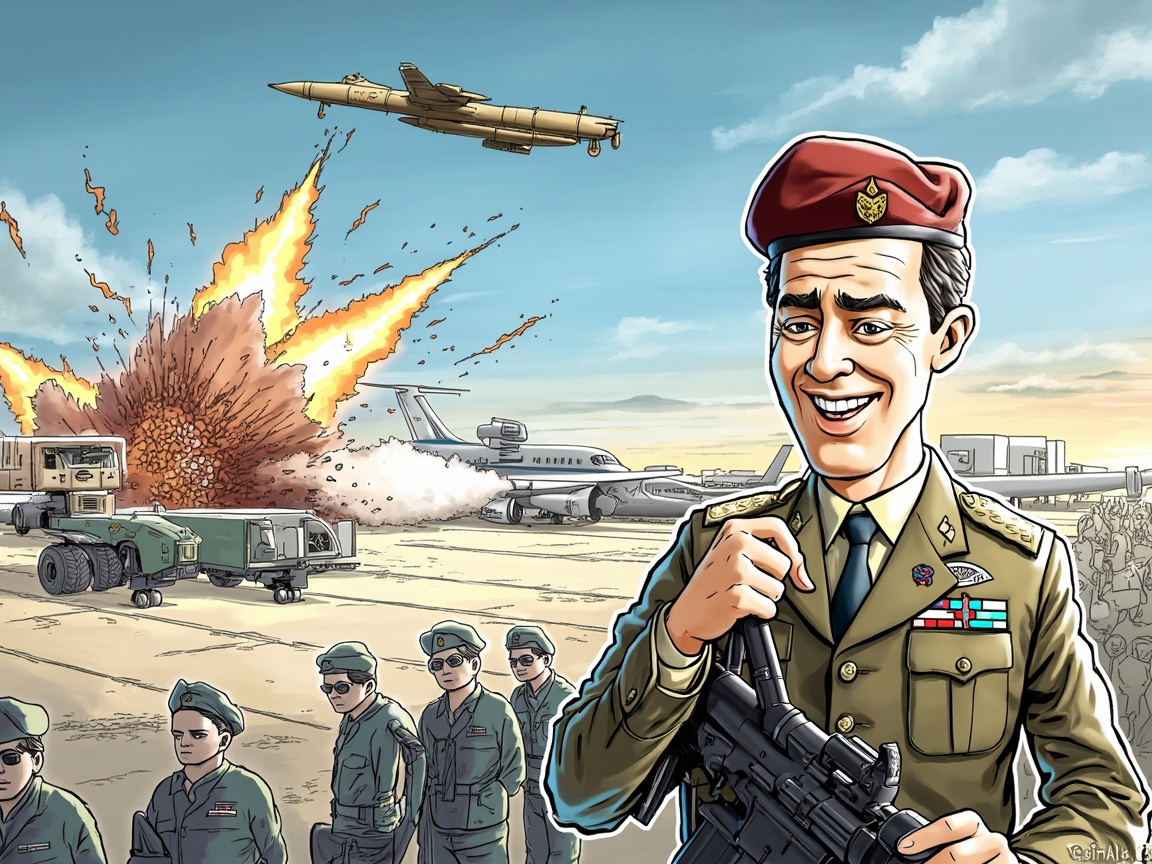
On the surface, this is a story about US military shortages. But what really matters is that America's global security promises are being quantified by inventory numbers. When deterrence becomes a calculable resource, the rules of geopolitics change.
## Where the Axe Falls
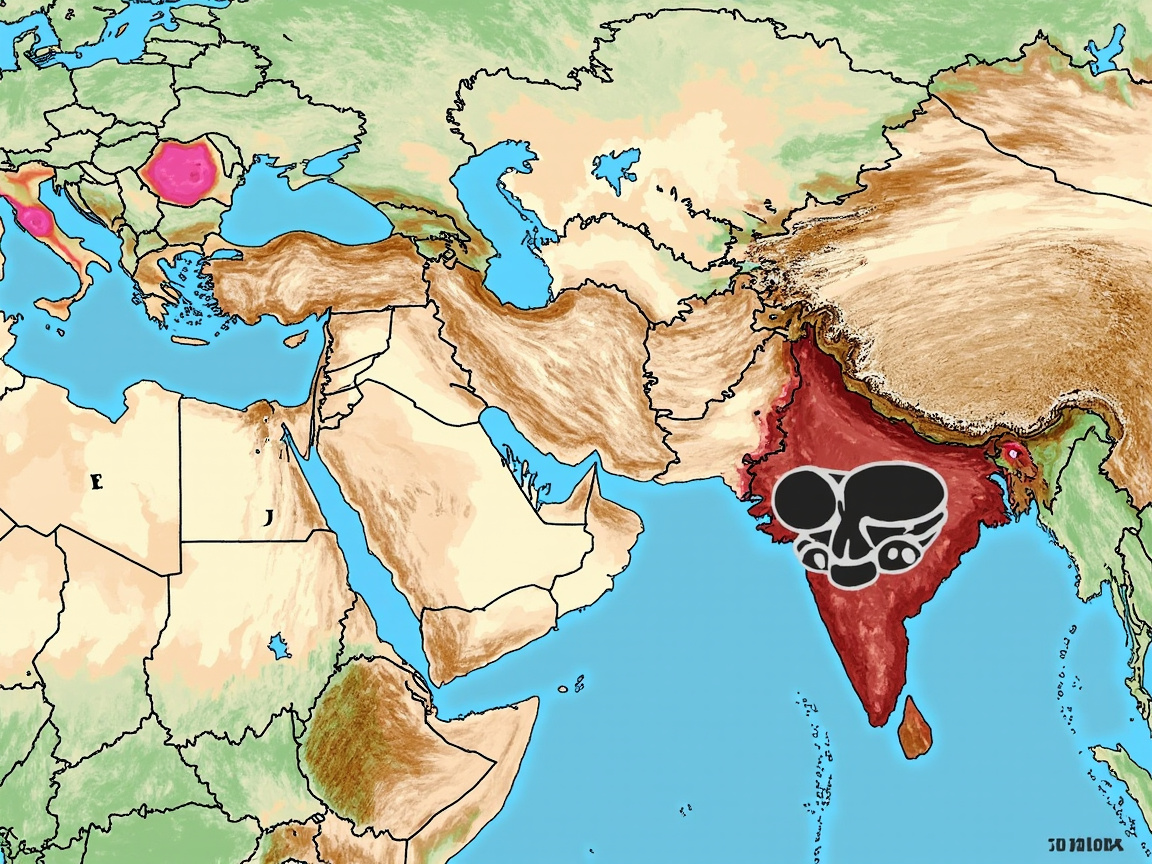
The US currently holds about 3,000 Tomahawk missiles—sounds like a lot. But recent strikes against Iran in Operation "Epic Fury" burned through 850 in just weeks. Production can't keep up; replenishing will take years.
What does this mean?
America faces a real choice: keep hitting Iran, but then go blind for years on other hotspots (like Taiwan Strait or Eastern Europe); or conserve missiles and lose leverage on Iran.
Merz's comment isn't a complaint—it's a signal. Germany, a core NATO member, now sees that the US "umbrella" might leak.
## So What?
For crypto, the transmission chain is direct:
1. **Dollar credibility takes a hit.** A weaker US security guarantee undermines the dollar's safe-haven logic. When allies doubt US protection, dollar reserve status erodes.
2. **Bitcoin's narrative strengthens.** Geopolitical uncertainty rises, traditional safe havens (Treasuries, USD) show cracks, and Bitcoin's "digital gold" story gets louder. Not an instant pump, but long-term narrative accumulation.
3. **Volatility spikes.** The market's implied probability of a US declaration of war on Iran dropped from 8% to 7.5%—tiny, but it reflects resource constraints being priced in. Any new inventory announcement or diplomatic move could trigger sharp risk-asset swings.
## What Investors Should Watch
Don't fixate on the war itself. War odds are already priced in.
Watch instead:
- **US Defense Department production contracts.** If they announce accelerated missile production, it signals the US is fixing the gap, risk appetite may return.
- **NATO summit statements.** If allies start discussing "European defense autonomy," the dollar's credibility fracture becomes public.
- **Iranian diplomatic outreach.** Any de-escalation reduces war premium but also exposes the true state of US inventories.
## Reality Check
The US won't easily declare war on Iran. Not because it doesn't want to—but because it can't afford it.
But "can't afford it" is itself a geopolitical fact. When the world's largest military starts counting pennies, the global order quietly shifts.
For crypto, this isn't a simple "bullish" or "bearish" event. It's a signal: the old world's security promises are being repriced. And Bitcoin happens to sit on the other side of that pricing.
Don't wait for war to break out before buying crypto. The real opportunity hides in inventory numbers and ally complaints.
DISCLAIMER:
1. All content on this website (including but not limited to articles, data, charts, and analyses) is for general informational purposes only and does not constitute any form of investment advice, trading recommendation, or financial guidance.
2. Cryptocurrencies and digital assets are subject to extreme price volatility and high investment risk; you may lose part or all of your principal. Past performance does not predict future results.
3. The information on this website is based on sources we believe to be reliable, but we do not guarantee its accuracy, completeness, or timeliness. Any investment decisions made based on this website’s information are at your own risk.
4. We strongly recommend that you conduct your own thorough research and consult an independent, licensed financial advisor before making any investment decisions.