Iran Closes Strait of Hormuz, Oil Could Hit $150 — Asia Feels the Pain First
2026-05-04 10:06:28
## Background & What Matters
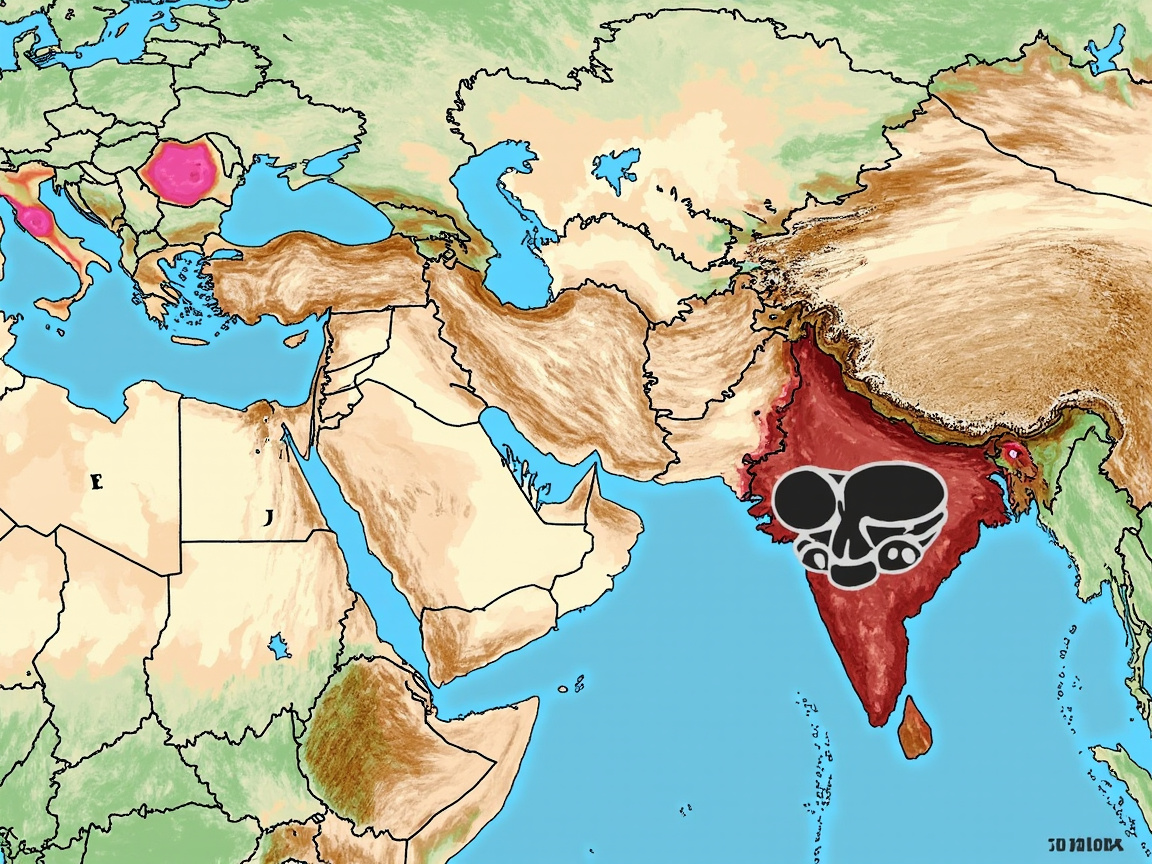
In late February 2026, escalating military conflict between the US, Israel, and Iran led Iran to block the Strait of Hormuz — the passage for roughly one-third of global seaborne oil. Brent crude surged past $120/barrel, marking the biggest supply disruption ever recorded by the International Energy Agency.
On the surface, this is another oil shock from Middle East tensions. But the real story isn't just the price — it's that **Asia's energy security is now exposed**.
## Where the Knife Cuts
The Strait of Hormuz sees about 17 million barrels of oil daily, nearly 20% of global consumption. With Iran shutting it down, Asia takes the first hit.
Countries like the Philippines, Japan, South Korea, and India rely on Middle Eastern oil for over 60% of their imports. The Philippines is especially vulnerable — it imports nearly all its oil and has limited storage. Every $10 rise in oil widens current account deficits and pressures currencies.
This isn't a short-term blip. The conflict has dragged on for over two months with no ceasefire in sight. Markets are now pricing in a more extreme scenario: WTI crude hitting $150/barrel.
## So What?
For crypto markets, the logic chain is direct:
1. **Inflation expectations surge** — Energy costs push everything higher. The Fed's rate-cut window is essentially closed, and rate hikes are back on the table.
2. **Risk assets under pressure** — Bitcoin typically performs poorly in a tightening macro environment, unless it gets repriced as 'digital gold' in a risk-off flight to safety.
3. **Capital flight from Asia** — As energy-importing nations see currencies weaken, capital may flow to the dollar or Bitcoin — but only if Bitcoin's liquidity is deep enough.
Right now, Bitcoin is behaving more like a risk asset. If oil hits $150, it's a short-term headwind for crypto.
## What to Watch Next
- **US-Iran negotiations**: Any diplomatic breakthrough could crash oil prices, but odds are low. Iran's demands are high, and US domestic politics are tense.
- **Military moves in the Strait**: If the US Navy forcibly escorts ships, conflict could escalate. If Iran expands the blockade, oil spikes faster.
- **Strategic reserve releases**: Japan and South Korea have started tapping reserves, but the impact is limited. The big moves would come from India and China — a coordinated release could cap prices temporarily, but it's a band-aid.
## The Reality Check
Oil at $150 isn't a question of 'if' but 'when'. Every day the Strait stays closed adds to the supply deficit. Asia's buffer is shrinking by the week.
For crypto investors, this isn't a signal to buy the dip or sell the top. It's confirmation of a **macro regime shift**: we're moving from the 'inflation is cooling' narrative to an 'energy crisis' narrative.
How Bitcoin performs in this phase will define its role in portfolios for years. If it holds steady with oil at $150, that's the real 'digital gold' moment. If it crashes with equities, it's still just a high-beta tech play.
Don't guess the direction. Watch the ships in the Strait of Hormuz.
DISCLAIMER:
1. All content on this website (including but not limited to articles, data, charts, and analyses) is for general informational purposes only and does not constitute any form of investment advice, trading recommendation, or financial guidance.
2. Cryptocurrencies and digital assets are subject to extreme price volatility and high investment risk; you may lose part or all of your principal. Past performance does not predict future results.
3. The information on this website is based on sources we believe to be reliable, but we do not guarantee its accuracy, completeness, or timeliness. Any investment decisions made based on this website’s information are at your own risk.
4. We strongly recommend that you conduct your own thorough research and consult an independent, licensed financial advisor before making any investment decisions.