UAE Exit from OPEC Countdown Begins, Algeria Steps In: Is $90 Oil by June a Done Deal?
2026-05-04 00:03:44
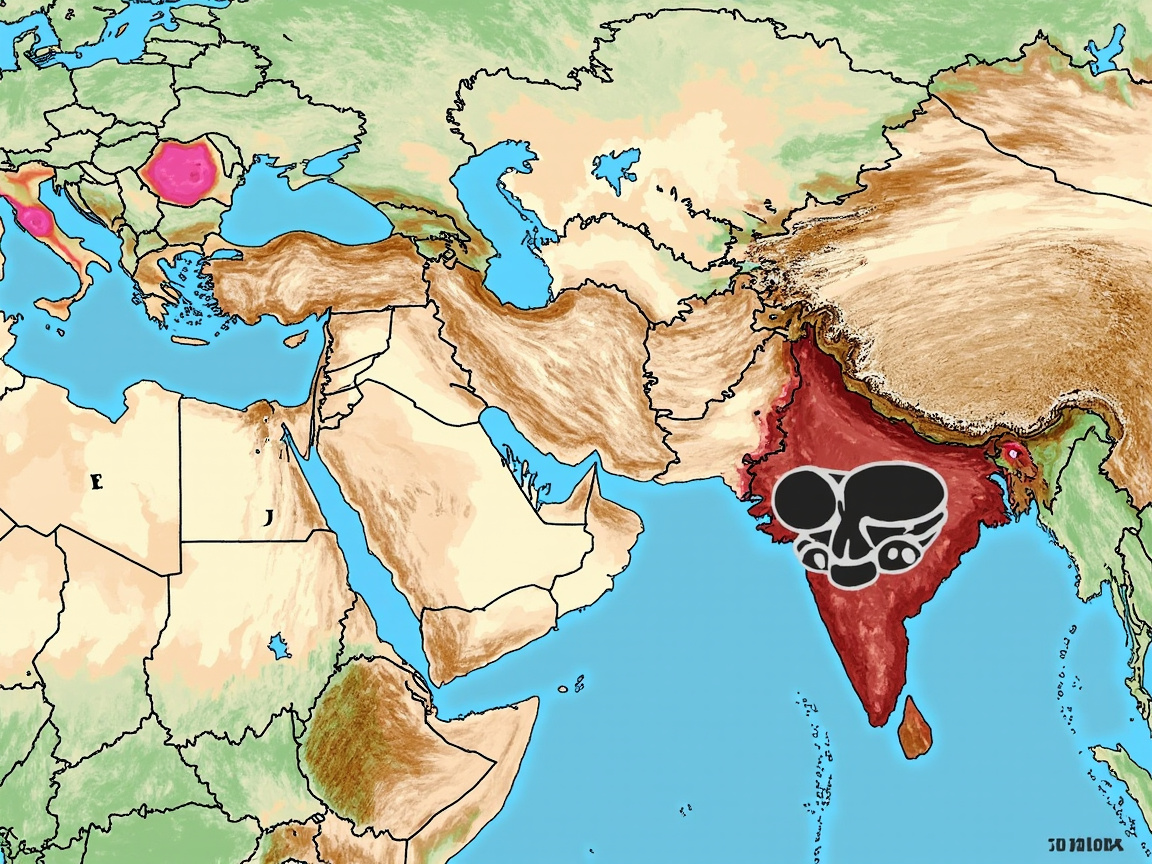
Algeria just pledged its continued loyalty to OPEC. Meanwhile, the UAE's exit plan is already on the calendar—effective May 2026. This isn't a simple show of allegiance; it's a real transfer of power and interests within OPEC.
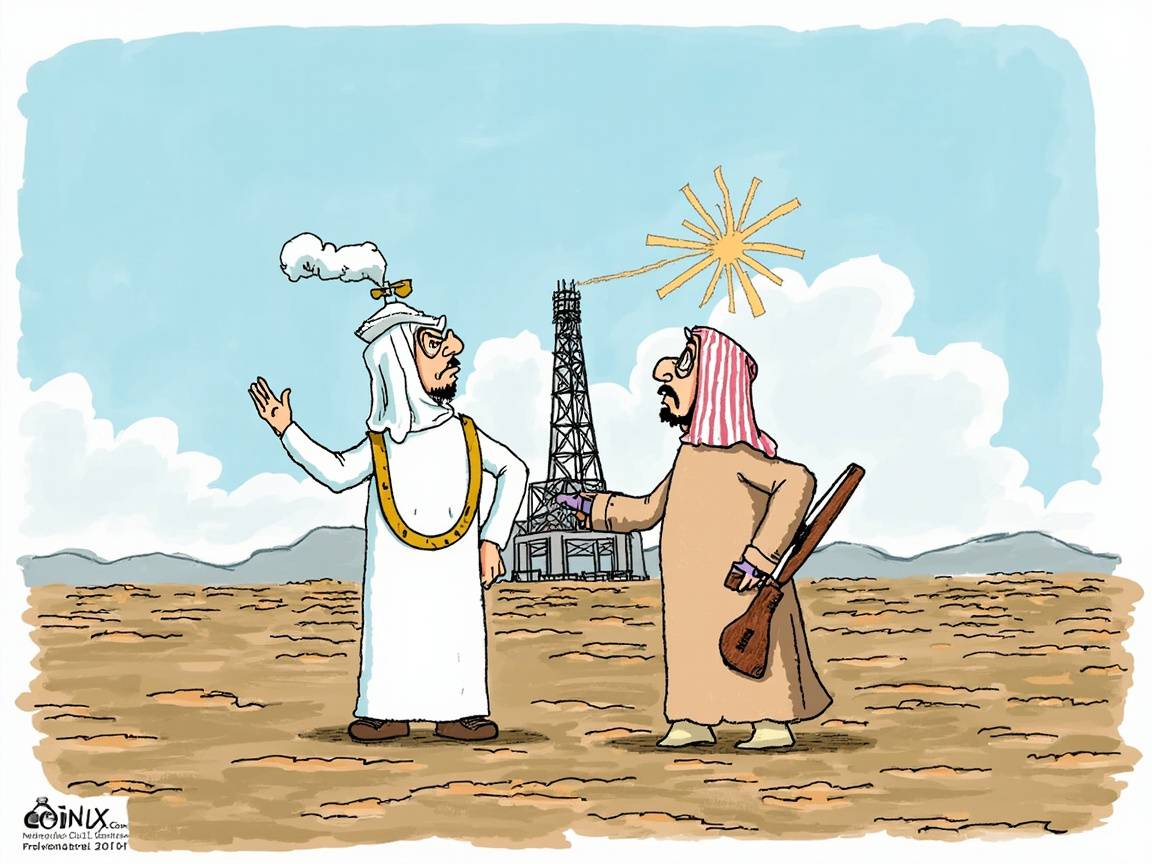
On the surface, Algeria is "filling the gap" to maintain organizational cohesion. But what really matters is: why is the UAE leaving, how will the global oil supply landscape shift, and will oil prices be pushed higher?
## UAE Exit: Not a Tantrum, but a Calculation
The UAE isn't the first to leave. Angola already did. Now the UAE follows, signaling that OPEC+'s quota mechanism is breaking down. The UAE has been expanding capacity, but OPEC quotas have capped its output. Exiting means it can call its own shots.
What does this mean for OPEC? Reduced capacity. The UAE accounts for about 10% of OPEC's total output. Its departure shrinks the organization's flexibility. In other words, OPEC's grip on oil prices is weakening.
## How Much Is Algeria's "Loyalty" Worth?
Algeria, a founding member, chose to stay and plans a modest output increase. It looks like support, but it's really "gap-filling"—offsetting the potential supply shortfall from the UAE's exit.
The question is, how much can it fill? Algeria's capacity is far below the UAE's. Its increase is more symbolic. The real focus should be on how Saudi Arabia and Russia react. They are the true power brokers of OPEC+.
## What Is the Market Betting On?
Currently, the market assigns a 100% probability to oil hitting $90 by the end of June. This forecast has held steady since the UAE exit news broke. What does it tell us? The market believes that the UAE exit + geopolitical tensions + OPEC cuts—a triple whammy—make a price surge almost certain.
But remember, this forecast assumes "continued geopolitical tensions." If the Middle East sees a détente, oil prices could reverse instantly. So $90 is not set in stone; it's a "barring unforeseen circumstances" scenario.
## What Investors Should Watch Most
First, the next OPEC+ meeting. Will quotas be adjusted? Will Saudi Arabia voluntarily cut to offset the UAE exit? That directly determines short-term price direction.
Second, Middle East geopolitics. The Israel-Hamas conflict, Red Sea shipping, Iran tensions—any variable could send oil prices spiking or crashing.
Third, US shale. If oil hits $90, will US shale producers ramp up output? If so, OPEC+'s efforts could be undermined.
## Conclusion
The UAE's exit from OPEC is not the end of the organization, but a redistribution of interests. Algeria's "loyalty" won't deliver real capacity. The true price drivers remain Saudi Arabia, Russia, and the US.
$90 oil by June? The market has already placed its bet. But don't forget: geopolitics is the biggest wildcard. Investors can be bullish, but buckle up.
DISCLAIMER:
1. All content on this website (including but not limited to articles, data, charts, and analyses) is for general informational purposes only and does not constitute any form of investment advice, trading recommendation, or financial guidance.
2. Cryptocurrencies and digital assets are subject to extreme price volatility and high investment risk; you may lose part or all of your principal. Past performance does not predict future results.
3. The information on this website is based on sources we believe to be reliable, but we do not guarantee its accuracy, completeness, or timeliness. Any investment decisions made based on this website’s information are at your own risk.
4. We strongly recommend that you conduct your own thorough research and consult an independent, licensed financial advisor before making any investment decisions.