Iran's Storage Is Almost Full, Oil Wells Face Shutdown: The Real Bite of the Hormuz Blockade
2026-05-03 21:50:28
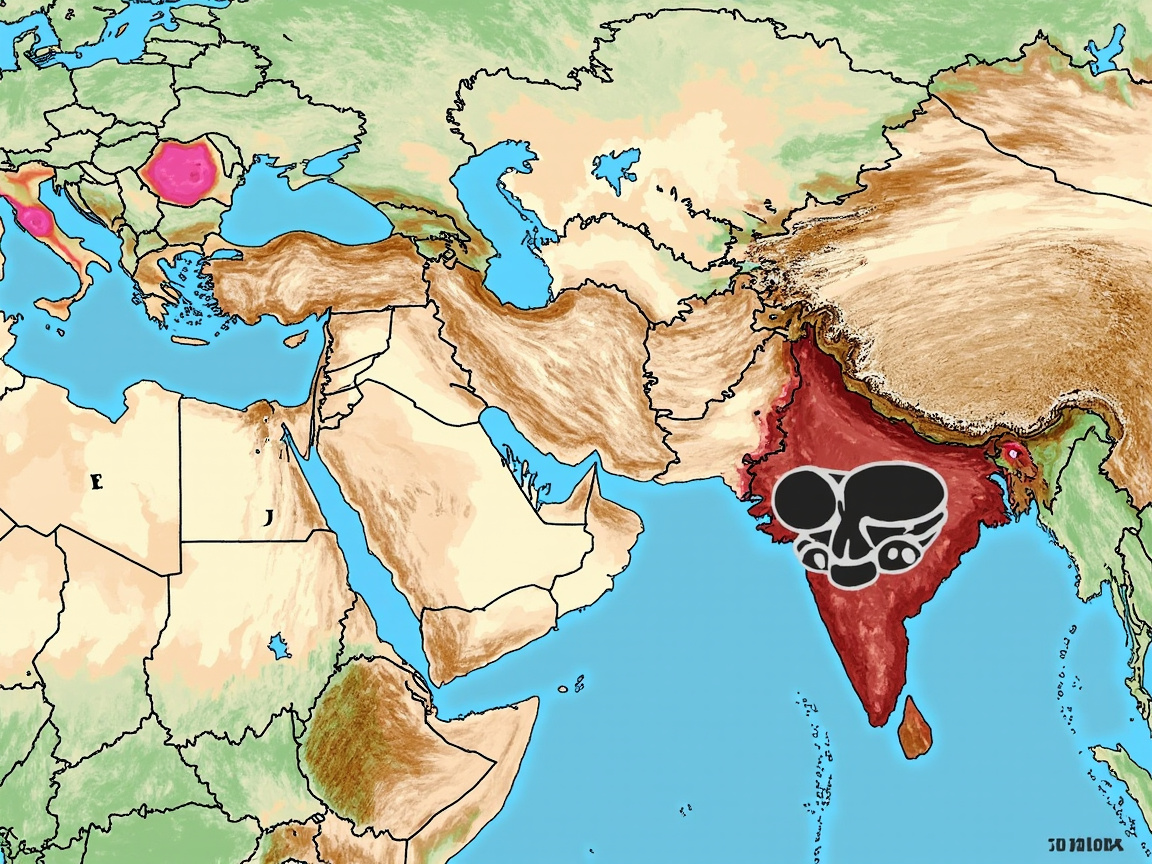
The US naval blockade of the Strait of Hormuz is tightening. Iran's main oil export hub, Kharg Island, has reached 74% storage capacity, with only 12 to 22 days of remaining space. Yet the market reaction has been surprisingly muted—the control premium for Kharg Island sits at just 11.5%, and WTI crude hasn't seen wild swings.
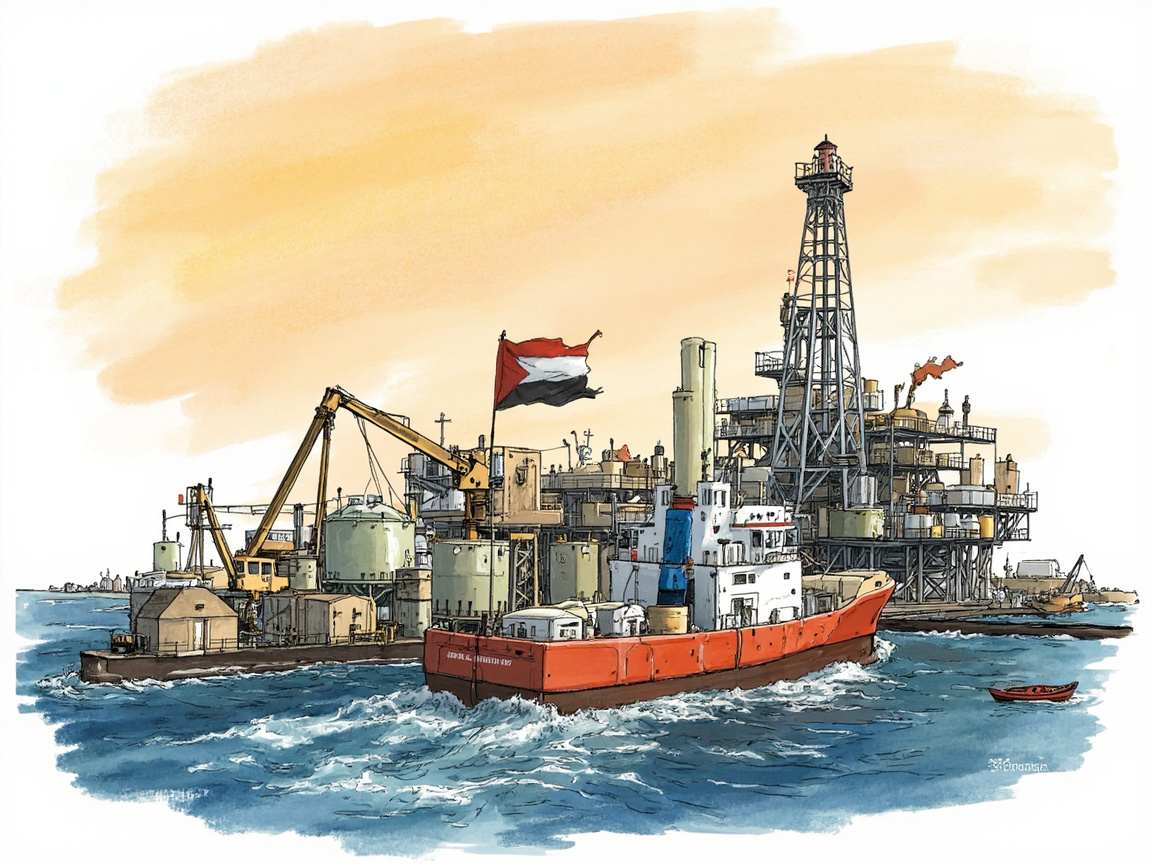
On the surface, this is a geopolitical standoff. But what really matters is that Iran may soon be forced to shut its oldest oil wells—and once shut, restarting them is nearly impossible. This isn't about inventory; it's about permanent capacity loss.
## Storage Full, Wells Shut
Iran's storage facilities are nearly saturated, meaning newly extracted crude has nowhere to go. The logic is simple: either cut production or stop it altogether. The fastest way to cut is to close old wells. Mature fields like Asmari and Bangestan, already decades old with complex geology, face high restart costs and technical hurdles once shut. Pressure drops, equipment ages—restarting may be economically or technically unfeasible.
This cuts into Iran's long-term capacity. Short-term exports are blocked; long-term capacity is destroyed. Even if the blockade lifts later, Iran's oil output may never return to previous levels.
## Why Isn't the Market Reacting?
The 11.5% premium suggests the market is still watching, treating this as a "possible" event rather than a "realized" one. But history shows that when storage hits a critical point, well shutdowns are a countdown. After the 2019 attack on Saudi Aramco, Brent surged 15% in a single day, even though actual production loss was only 5%. This time, Iran's potential loss could be larger, yet the market is calm—either underestimating the risk or waiting for a trigger.
That trigger could be a US Central Command statement or an Iranian government announcement of a field closure. Once it hits, the premium could jump from 11.5% to 30% or higher.
## What Investors Should Watch
First, monitor military activity around Kharg Island. Any control change announcement will directly hit oil prices. Second, track Iran's storage data. When utilization exceeds 90%, shutdowns become inevitable. Third, watch WTI's forward curve. If near-month contracts show clear backwardation, the market is pricing in supply shortages.
Don't be fooled by low volatility. Geopolitical risk often erupts in silence. Iran's storage capacity is being consumed at roughly 2% per day, leaving a reaction window of at most three weeks.
## So What?
This isn't about "whether to buy oil" but "when to buy." For the Bitcoin crowd, rising oil means higher inflation expectations, a more hawkish Fed, and pressure on risk assets. But conversely, escalating geopolitical conflict could fuel risk-off sentiment, reviving Bitcoin's "digital gold" narrative.
The key isn't the event itself, but when the market starts pricing it in. When storage data drops or well shutdown news breaks, the reaction could be instantaneous. Position ahead, or at least prepare for volatility. Iran's wells won't wait. Neither will the market.
DISCLAIMER:
1. All content on this website (including but not limited to articles, data, charts, and analyses) is for general informational purposes only and does not constitute any form of investment advice, trading recommendation, or financial guidance.
2. Cryptocurrencies and digital assets are subject to extreme price volatility and high investment risk; you may lose part or all of your principal. Past performance does not predict future results.
3. The information on this website is based on sources we believe to be reliable, but we do not guarantee its accuracy, completeness, or timeliness. Any investment decisions made based on this website’s information are at your own risk.
4. We strongly recommend that you conduct your own thorough research and consult an independent, licensed financial advisor before making any investment decisions.