OPEC+ Adds 188K bpd in June, but It's Just Paper If Hormuz Stays Blocked
2026-05-03 18:30:02
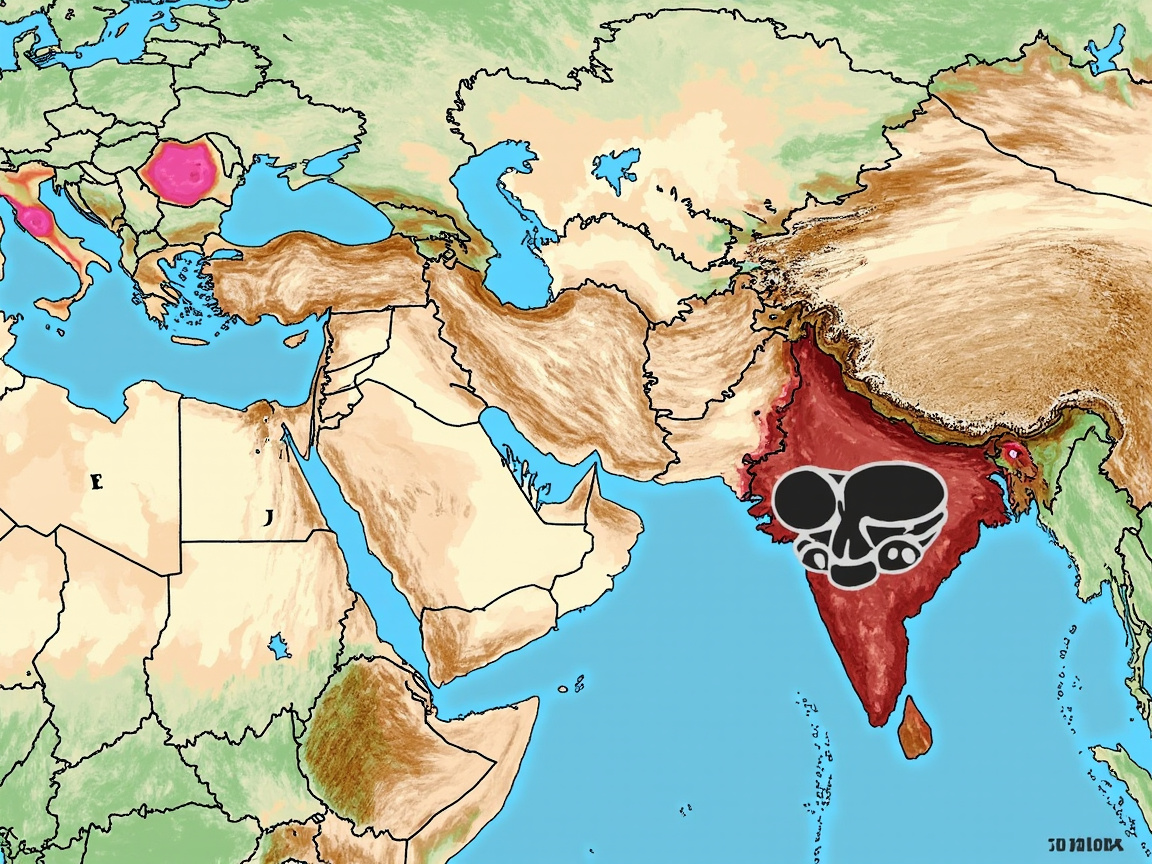
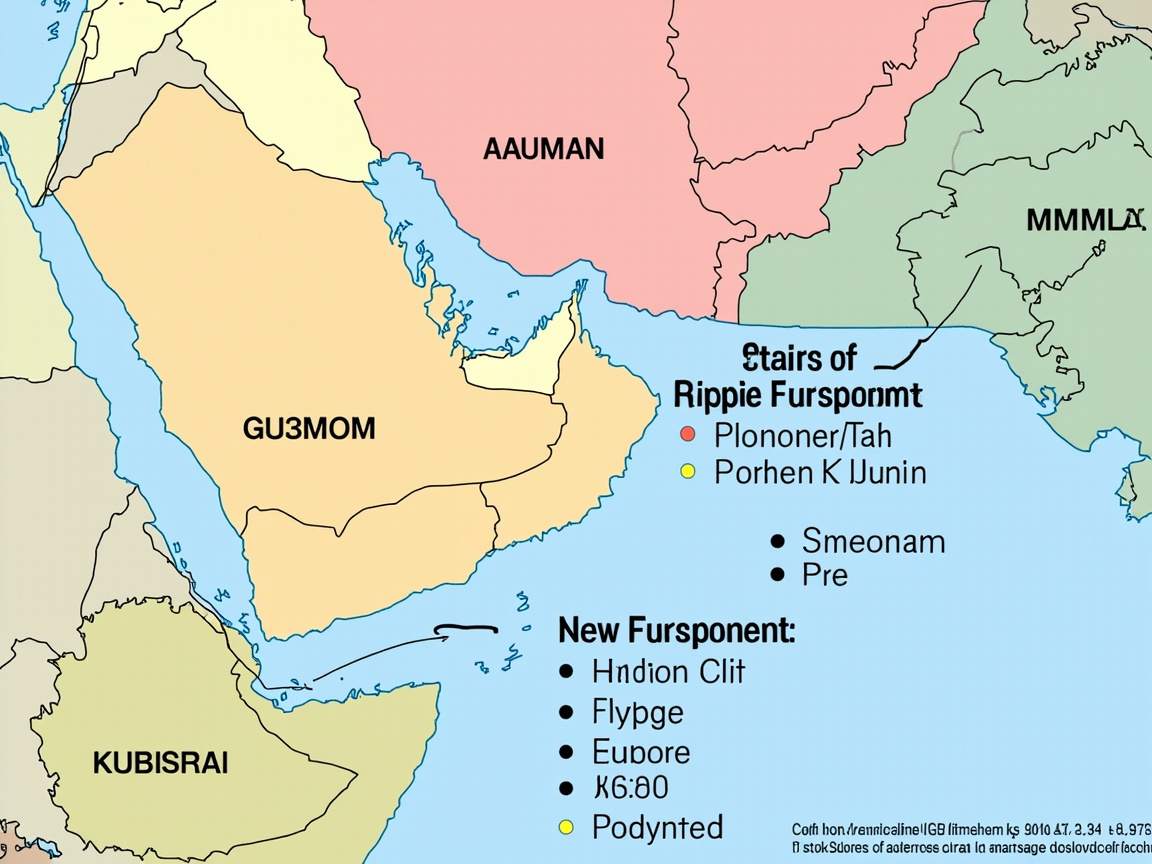
OPEC+ is at it again. On May 3, seven member countries agreed in principle to raise production targets by about 188,000 barrels per day for June. On the surface, this is the third consecutive quota increase, seemingly aimed at cooling high oil prices. But here's what really matters: the Strait of Hormuz remains blocked, and those 188,000 barrels are essentially stuck on paper.
## The Increase Is Just a Number; War Is the Real Constraint
Among the seven countries involved—Saudi Arabia, Iraq, Kuwait, Algeria, Kazakhstan, Russia, and Oman—only Saudi Arabia, Iraq, and Kuwait had meaningful spare capacity before the conflict. Coincidentally, all three rely on the Strait of Hormuz for exports. With the strait blocked by the US-Iran war, tankers can't sail, making the quota increase a hollow promise.
Insiders put it bluntly: this hike is a "signal" that OPEC+ can ramp up quickly once the war ends. But signals don't burn as fuel. Oil prices have already breached $125 this week, hitting a four-year high, and global jet fuel shortage warnings are flashing. Analysts say widespread shortages could become reality within one to two months, adding more inflationary pressure.
## UAE Quits, OPEC+ Dynamics Shift
On May 1, the UAE officially left OPEC+. The latest production plan directly excluded its share. With the UAE gone, OPEC+ now has 21 members, but the real decision-making circle has always been those seven plus the UAE. Now one is missing, making internal coordination even messier.
Iran also skipped the meeting. Its exports were already choked off by a US blockade in April. OPEC+'s "business as usual" stance looks more like a forced attempt to maintain order amid the chaos of the UAE's exit.
## So What Should Investors Watch?
First, don't trust the production numbers. Until the Strait of Hormuz reopens, any OPEC+ output hike is political theater. The real supply gauge is strait traffic, not meeting announcements.
Second, keep an eye on the next meeting on June 7. If the strait remains blocked, OPEC+ may be forced to discuss more drastic measures, like tapping strategic reserves or coordinating with non-OPEC producers. But there's no quick fix.
Third, high oil prices are a double-edged sword for crypto. Inflationary pressure raises Fed rate hike expectations, which is bearish for risk assets. But geopolitical turmoil also fuels safe-haven demand, potentially reviving Bitcoin's "digital gold" narrative. Watch oil prices and the dollar index—they'll react before crypto does.
Bottom line: OPEC+'s production hike is paper; the Hormuz blockade is the knife. Without the knife removed, the paper can't spark. Don't let the numbers fool you—keep your eyes on the strait.
DISCLAIMER:
1. All content on this website (including but not limited to articles, data, charts, and analyses) is for general informational purposes only and does not constitute any form of investment advice, trading recommendation, or financial guidance.
2. Cryptocurrencies and digital assets are subject to extreme price volatility and high investment risk; you may lose part or all of your principal. Past performance does not predict future results.
3. The information on this website is based on sources we believe to be reliable, but we do not guarantee its accuracy, completeness, or timeliness. Any investment decisions made based on this website’s information are at your own risk.
4. We strongly recommend that you conduct your own thorough research and consult an independent, licensed financial advisor before making any investment decisions.