Iran May Close Its Airspace: The Financial Wildcard in an Energy War
2026-05-03 16:15:43
## Beneath the Military Clashes Lies a Battle for Energy Pricing
On May 8, the probability of Iran closing its airspace dropped from 24% to 16.5%, but by May 31 it had rebounded to 39%. WTI crude prices moved in lockstep. This isn't just risk aversion—markets are pricing in a financial game of "energy supply disruption."
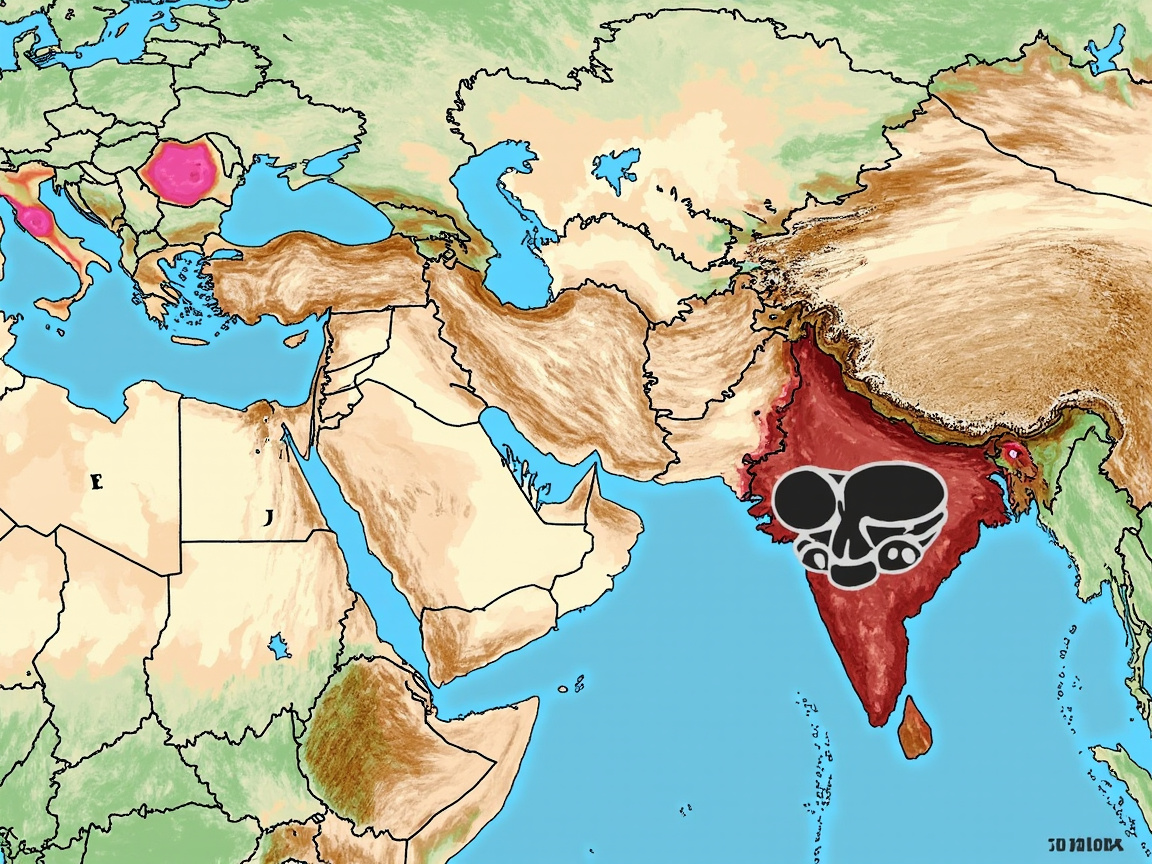
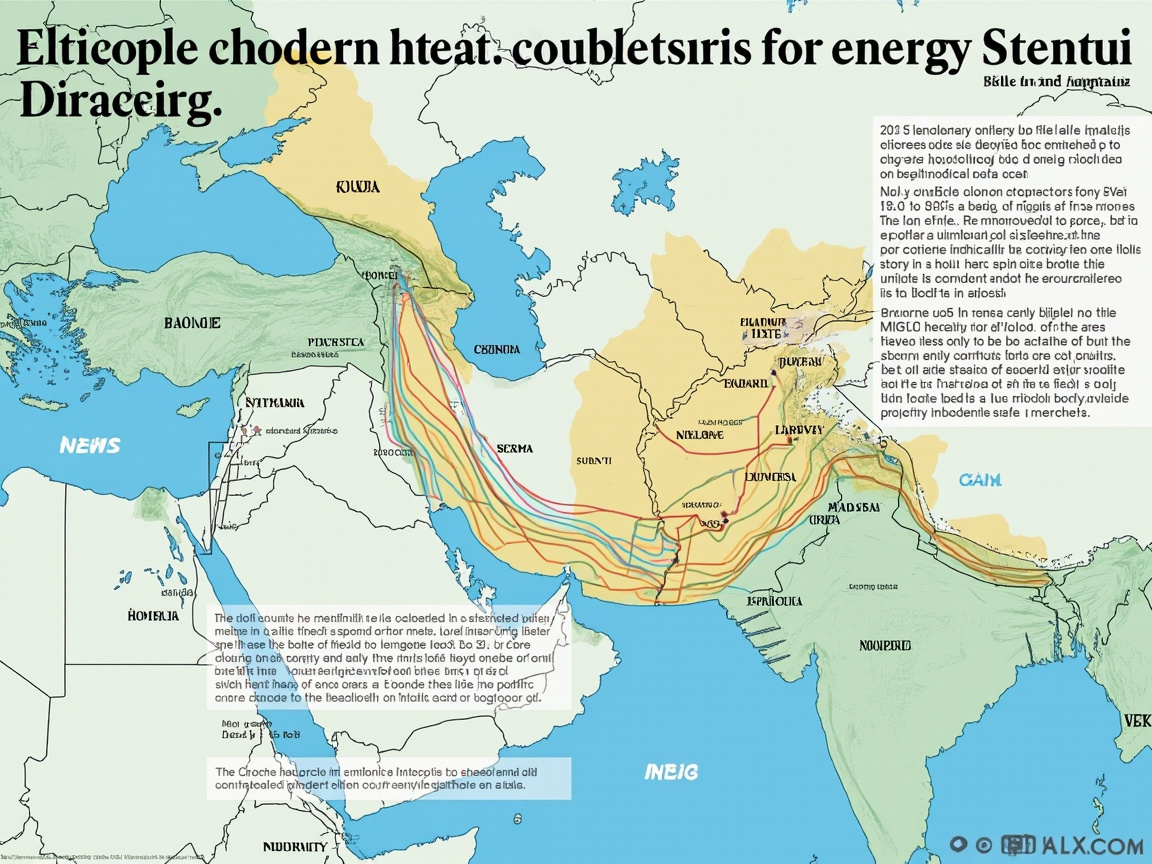
Israel's strikes on Iranian fuel and gas facilities, followed by Iran's retaliation, have torn open a new front in a war that began in February 2026. The surface story is military escalation, but the real question is: **Can oil tankers still pass through the Strait of Hormuz?**
## Where the Knife Cuts
Closing its airspace directly severs aviation fuel routes from the Middle East to Asia. But the real sting is the chain reaction:
- If the Strait of Hormuz is affected, 20% of global oil shipments could be blocked.
- WTI crude has already priced in a "sharp rise," but markets may underestimate the duration.
- Diplomatic efforts by the US, Qatar, and Saudi Arabia have yielded nothing so far, and the odds of de-escalation are falling.
**So what?** If you hold crude-related assets, don't just watch price moves—watch Iran's civil aviation announcements and the position of US aircraft carriers.
## Three Signals Investors Must Track
1. **Iran's Civil Aviation Authority Notices**: Airspace closure won't come without warning. A NOTAM (Notice to Air Missions) is the final exit window.
2. **Strait of Hormuz Tanker Traffic**: Real-time data is 48 hours faster than news. A 10% drop in traffic will send oil prices spiking.
3. **US Secretary of State's Flight Path**: Diplomatic breakthroughs often follow secret talks. If he flies to Doha or Riyadh, the probability of airspace closure will plummet.
## Don't Be Fooled by the "Probability Game"
Prediction markets show a 39% chance of closure on May 31, but these markets are illiquid and easily manipulated by large orders. What matters is options implied volatility—WTI's volatility premium has hit a year-to-date high, signaling that professional money is betting on a black swan.
## The Bottom Line: Realistic Assessment
This conflict won't end quickly. Israel aims to cripple Iran's energy export capacity, while Iran uses airspace closure as an asymmetric counter. For the average investor, the safest move is: **reduce crude longs, increase cash or gold.** Because if airspace closure becomes reality, a liquidity crisis may hit before oil prices surge.
Remember: The first wave of war profits goes to those long volatility; the second wave goes to those long oil prices. Right now, the first wave isn't over.
DISCLAIMER:
1. All content on this website (including but not limited to articles, data, charts, and analyses) is for general informational purposes only and does not constitute any form of investment advice, trading recommendation, or financial guidance.
2. Cryptocurrencies and digital assets are subject to extreme price volatility and high investment risk; you may lose part or all of your principal. Past performance does not predict future results.
3. The information on this website is based on sources we believe to be reliable, but we do not guarantee its accuracy, completeness, or timeliness. Any investment decisions made based on this website’s information are at your own risk.
4. We strongly recommend that you conduct your own thorough research and consult an independent, licensed financial advisor before making any investment decisions.