Iran's 14-Point Plan Hits the Table, Trump Says 'Unimaginable' — This Was Never About
2026-05-03 09:34:15
Iran has slapped a 14-point proposal on Trump's desk, demanding an end to the war within 30 days: US troops out, sanctions lifted, assets unfrozen, and reparations paid. Trump's response was blunt: "I find it hard to imagine this proposal being accepted."
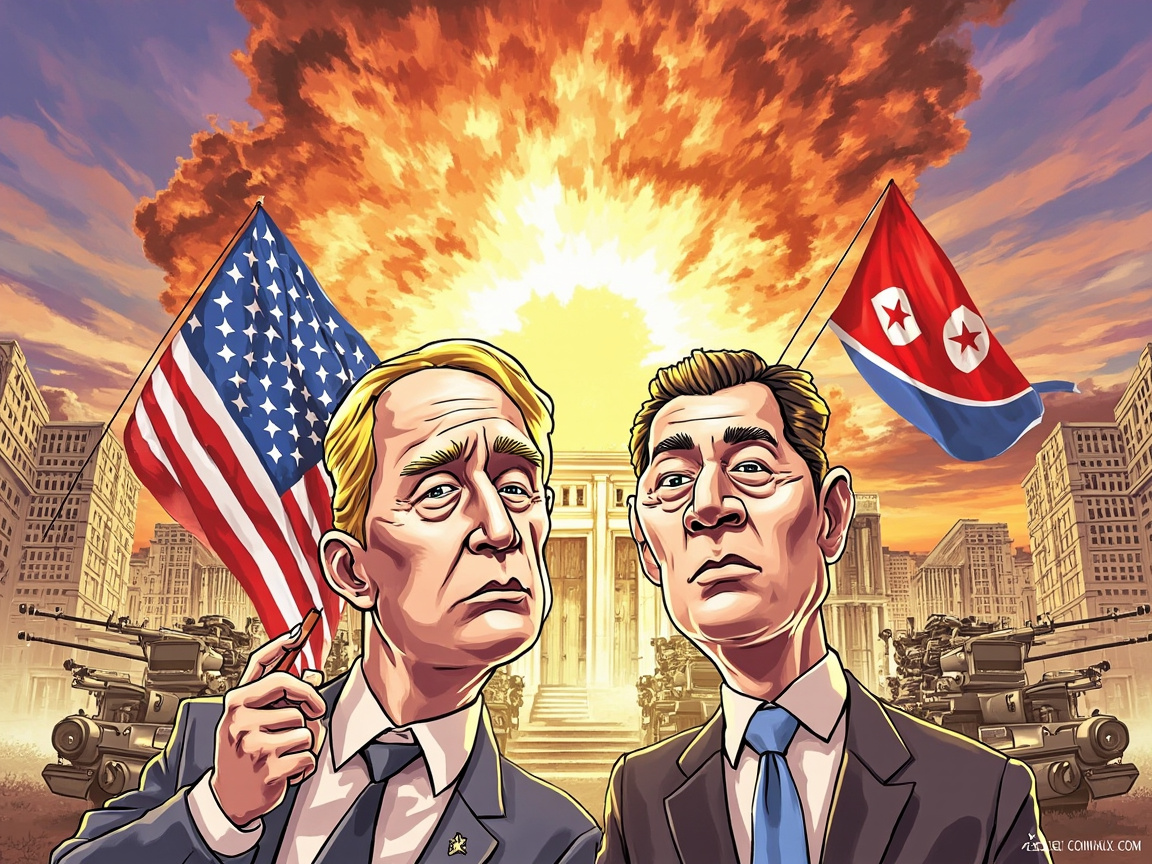
On the surface, this is Iran playing its hand at the negotiating table. But what matters is that neither side actually intends to reach a deal. Iran's terms amount to a full US surrender; Trump's reply tells Iran to dream on. This isn't negotiation — it's each side building a case for their next move.
## Iran's 14 Points: Not a Negotiation, a Demand
The core of the 14-point plan is simple: end the war, but on my terms.
- Ensure no further military aggression — US forces withdraw from Iran's vicinity.
- Lift the naval blockade, unfreeze assets, pay compensation, and cancel sanctions.
- Achieve peace on all fronts, including Lebanon.
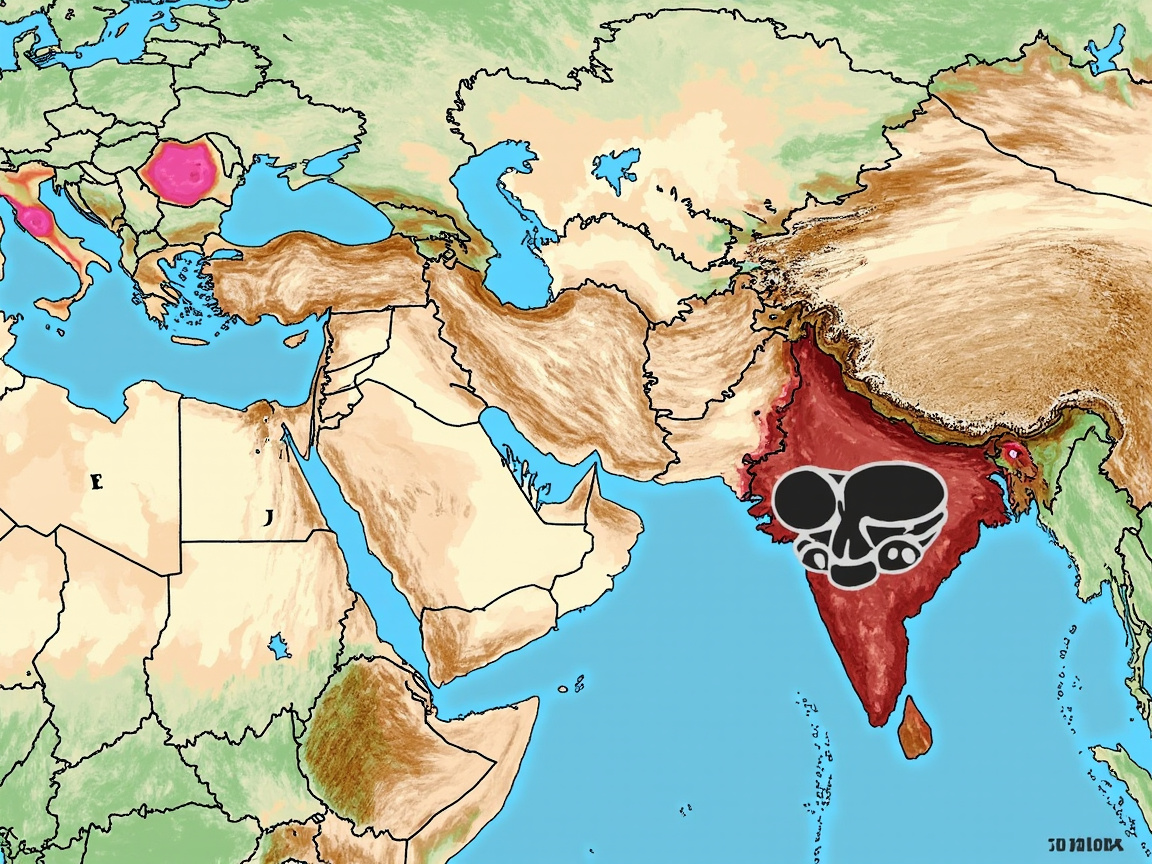
- Establish a new management mechanism for the Strait of Hormuz.
This isn't a negotiating proposal; it's a surrender document for a defeated nation. Iran has drawn its red lines clearly, with a 30-day deadline and no extensions. The message: accept it all or walk away.
By delivering the proposal through Pakistan, Iran is also signaling: I'm not talking to you directly — you can reply through a middleman. This posture is not about compromise.
## Trump's Response: Not a Negotiation, a Win
Trump said the proposal was "unimaginable," but also mentioned he had received military briefings with two options — escalation or a deal — while adding he "would rather make a deal."
Translation: I've got a knife, but I'll chat with you first. Your proposal won't fly, so I'll use the knife.
Trump's "would rather make a deal" is classic rhetoric. What he really means: the deal must be on my terms. Iran's proposal isn't even a starting point.
## What Happens Next?
Both sides are preparing for a showdown. Iran uses high demands to rally domestic and international support; Trump uses rejection to pave the way for escalation.
The 30-day deadline is a key inflection point. If the US doesn't respond substantively, Iran may take further steps — accelerating its nuclear program, making moves in the Strait of Hormuz, or escalating via proxies.
On Trump's side, military options are on the table. He needs a "limited victory" to shore up votes, and Iran is a convenient target. But all-out war is too costly; more likely are precision strikes or an escalated naval blockade.
## What Investors Should Watch
Oil prices. If the Strait of Hormuz is disrupted, 20% of global oil shipments must reroute. Bitcoin may see a short-term safe-haven bid, but the real action is in energy markets.
Also, watch for rhetoric shifts around the 30-day mark. Any signal of "talks broken down" will trigger market volatility.
The script is already written. Iran wants dignity and survival; Trump wants votes and a tough image. The negotiating table is just a stage — the real drama plays out on battlefields and oil tankers.
Don't expect a deal. Keep your eyes on Hormuz.
DISCLAIMER:
1. All content on this website (including but not limited to articles, data, charts, and analyses) is for general informational purposes only and does not constitute any form of investment advice, trading recommendation, or financial guidance.
2. Cryptocurrencies and digital assets are subject to extreme price volatility and high investment risk; you may lose part or all of your principal. Past performance does not predict future results.
3. The information on this website is based on sources we believe to be reliable, but we do not guarantee its accuracy, completeness, or timeliness. Any investment decisions made based on this website’s information are at your own risk.
4. We strongly recommend that you conduct your own thorough research and consult an independent, licensed financial advisor before making any investment decisions.