OPEC+ Plans Symbolic 188,000 bpd Output Hike After UAE Exit: A Hollow Promise or a Signal of Unity?
2026-05-01 00:42:45
## A Symbolic Hike, Not a Real Boost

On April 30, Bloomberg reported that OPEC+ will discuss June output targets in a video meeting this Sunday, with seven key members expected to raise production by 188,000 barrels per day. This is the alliance's first public statement since the UAE unexpectedly left.
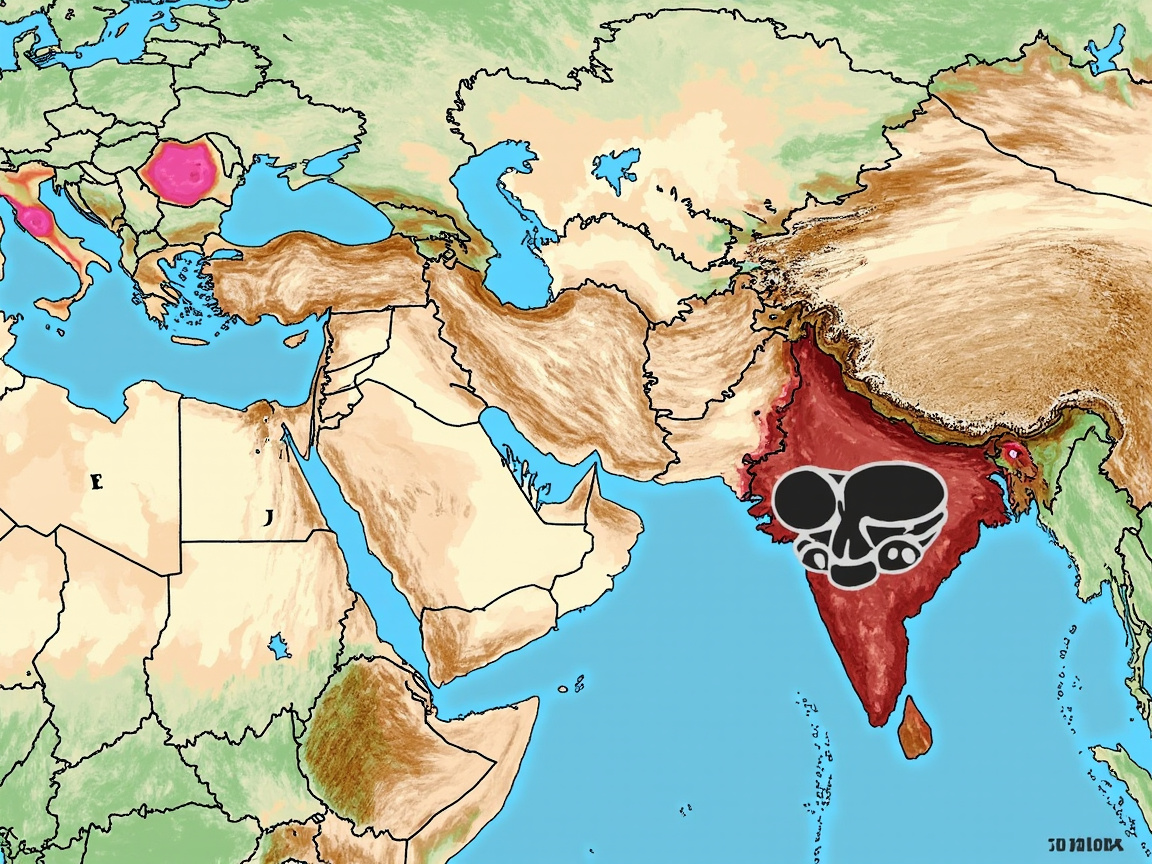
On the surface, it's a continuation of the planned gradual increase. But the real story is what this move signals: **the hike is symbolic, aimed at reassuring markets that the coalition is still functioning.** With the Strait of Hormuz nearly closed, Persian Gulf exporters are forced to cut output, meaning the new quotas cannot translate into actual exports.
## Paper Increase, Reality Check
188,000 bpd is a small number to begin with, and under current conditions, it's practically a hollow promise. The Iran conflict has blocked the Strait of Hormuz, preventing much of the region's crude from reaching global markets. Insiders say the quota increase is more about preparing for the future: once the conflict ends, pre-set targets will provide a framework for ramping up production.
In other words, OPEC+ isn't really increasing output—it's **staking a claim** for the post-conflict era.
## No Price War, Says Russia
Addressing fears that the UAE's exit could trigger a price war, Russian Deputy Prime Minister Alexander Novak dismissed the idea: "How can there be a price war when the market already faces supply shortages?" He noted that the Strait of Hormuz is nearly closed, and "a huge amount of crude simply cannot reach the market, with demand far exceeding supply."
Novak also confirmed Russia has no plans to leave OPEC+, praising the alliance's ability to "manage crude market risks during crises."
That sounds reassuring, but remember: **the price war isn't off the table because of unity—it's off because of the war.** Once geopolitical tensions ease, the UAE's ability to freely expand production will directly pressure prices.
## Medium-Term Risk: The UAE Time Bomb
Analysts warn that while short-term oil prices remain dominated by the Strait of Hormuz situation, medium-term risks are building. The UAE, no longer bound by OPEC+ quotas, can decide its own output. Once the Strait reopens, its production increase will inject fresh supply into the global market.
JP Morgan analyst Ian Mitchell said: "Short-term prices will continue to be driven by Hormuz, but this event likely means medium-term prices will be lower than previously expected." UBS analyst Henri Patricot added: "Near-term impact is limited, but medium-term downside risks exist."
## What Investors Should Watch
In the short term, the Strait of Hormuz's status is the only variable. As long as it remains blocked, oil prices have support. But medium-term, the UAE's output decisions are the real game-changer.
**Bottom line: OPEC+'s output hike is a hollow promise, but the UAE's expansion is a real time bomb.** Investors should closely monitor geopolitical developments, especially when the Strait of Hormuz might reopen. Once tensions ease, the UAE's ramp-up will quickly drag prices lower.
Don't be fooled by the "symbolic hike"—the real risk lies ahead.
DISCLAIMER:
1. All content on this website (including but not limited to articles, data, charts, and analyses) is for general informational purposes only and does not constitute any form of investment advice, trading recommendation, or financial guidance.
2. Cryptocurrencies and digital assets are subject to extreme price volatility and high investment risk; you may lose part or all of your principal. Past performance does not predict future results.
3. The information on this website is based on sources we believe to be reliable, but we do not guarantee its accuracy, completeness, or timeliness. Any investment decisions made based on this website’s information are at your own risk.
4. We strongly recommend that you conduct your own thorough research and consult an independent, licensed financial advisor before making any investment decisions.