Strait of Hormuz Shutdown: US Gas Exports Maxed Out, Oil Supply Gap Widens
2026-04-29 04:49:32
The closure of the Strait of Hormuz has sent global energy markets into a tailspin. US natural gas export facilities are running at full tilt, yet they can't plug the hole. On the surface, it's a supply crunch. What really matters: **the US has no more capacity to spare, and the gap is widening.**
### US Exports Maxed Out, Global Supply Gap Unsolvable
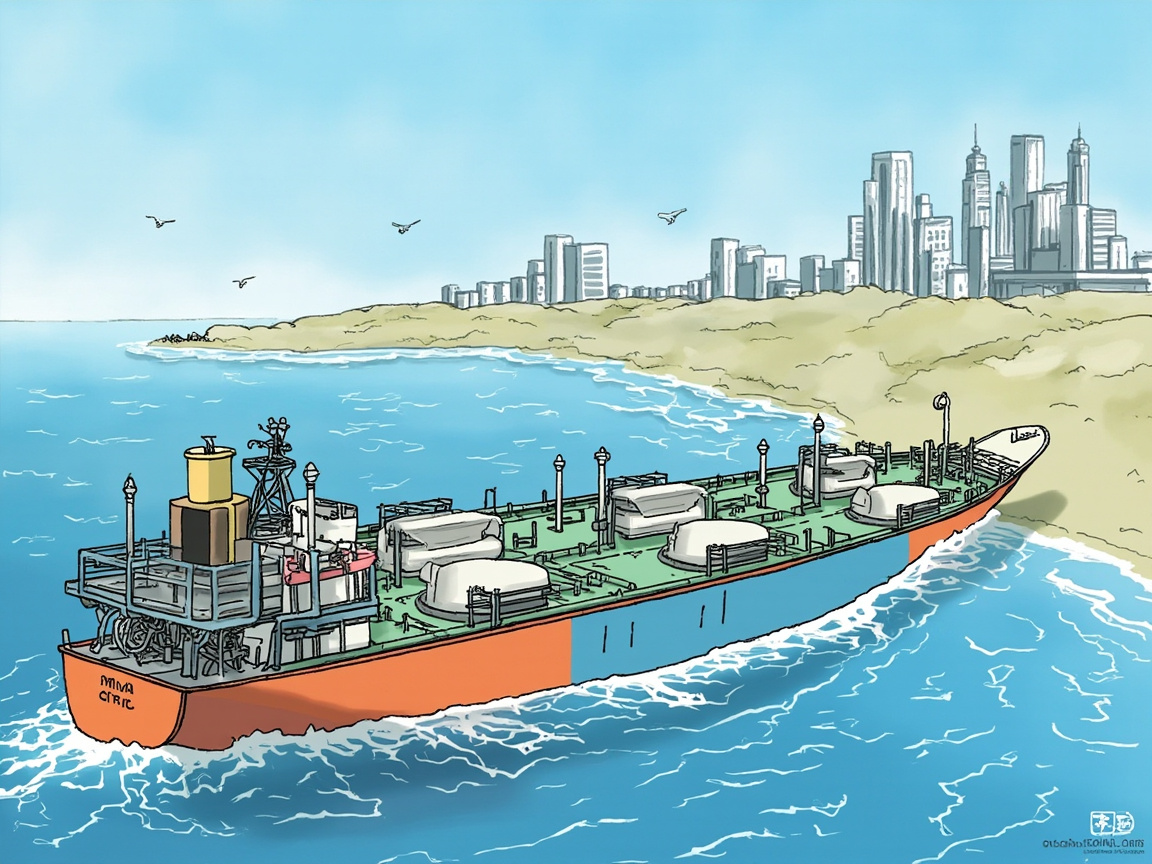
US natural gas export capacity is already stretched to the limit. All liquefaction plants are at full production, with no new capacity coming online in the near term. That means even if global demand surges, the US can't sell more gas. With the Strait of Hormuz—a key energy artery—cut off, Middle Eastern gas and oil can't get out. Global buyers are left scrambling for the US's limited supply. But limited is limited. No amount of demand can create more.
WTI crude markets have already priced this in: the probability of oil hitting $160 per barrel in April is just 0.2%. It's not that markets aren't worried—it's that they know higher prices won't conjure up more supply. US export capacity is capped by physics, not price.
### Shipping Data Says: Strait Won't Reopen Soon
The probability of 80 ships transiting the Strait of Hormuz before April 30 has dropped to 1.2%, down from 24% a week ago. What does that tell you? Markets are essentially betting the strait won't reopen in April. Shipping companies won't sail, insurers won't underwrite, and the political stalemate shows no signs of breaking.
Real daily trading volume for USDC is just $390, after a brief 24-hour spike earlier this week faded. Traders aren't betting on a quick price reversal. They know: this isn't the time to bottom-fish—it's time to wait for news.
### So What Should Investors Watch?
This event has direct implications for investors:
**First, oil prices are likely to stay elevated in the short term.** The supply gap is real, the US can't fill it, and global inventories will only shrink. Any trigger could push prices higher.
**Second, the real catalyst isn't in supply-demand data—it's in political moves.** Will OPEC+ suddenly boost output? Will Trump or Iran's president issue a statement? Will there be military action? These are the variables most likely to move markets in the coming days. The market is a taut string, waiting for a finger to pluck it.
**Third, don't fixate on the 0.2% probability of $160 oil in April.** That number is more of a mathematical curiosity than a real trading signal. What you should watch: May contracts, the forward curve, and implied volatility in options markets.
### The Reality: Gap Won't Close Soon, Volatility Is the New Normal
The Strait of Hormuz closure isn't a days-long event. US gas exports are maxed out, meaning global supply elasticity is extremely low. Even if the strait reopened tomorrow, markets would need time to rebuild inventories and confidence.
For investors, now is not the time to bet on direction—it's time to watch for catalysts. Any surprise statement or military action could flip markets instantly. Remember: **when supply elasticity is zero, price moves have no ceiling.**
Don't try to pick a bottom or chase highs. Wait for that finger to pluck the string.
DISCLAIMER:
1. All content on this website (including but not limited to articles, data, charts, and analyses) is for general informational purposes only and does not constitute any form of investment advice, trading recommendation, or financial guidance.
2. Cryptocurrencies and digital assets are subject to extreme price volatility and high investment risk; you may lose part or all of your principal. Past performance does not predict future results.
3. The information on this website is based on sources we believe to be reliable, but we do not guarantee its accuracy, completeness, or timeliness. Any investment decisions made based on this website’s information are at your own risk.
4. We strongly recommend that you conduct your own thorough research and consult an independent, licensed financial advisor before making any investment decisions.