Strait of Hormuz Stays Blocked, Trump Hesitates—Here’s What Bitcoin Investors Should Watch
2026-04-28 20:56:03
## Background & Core Thesis
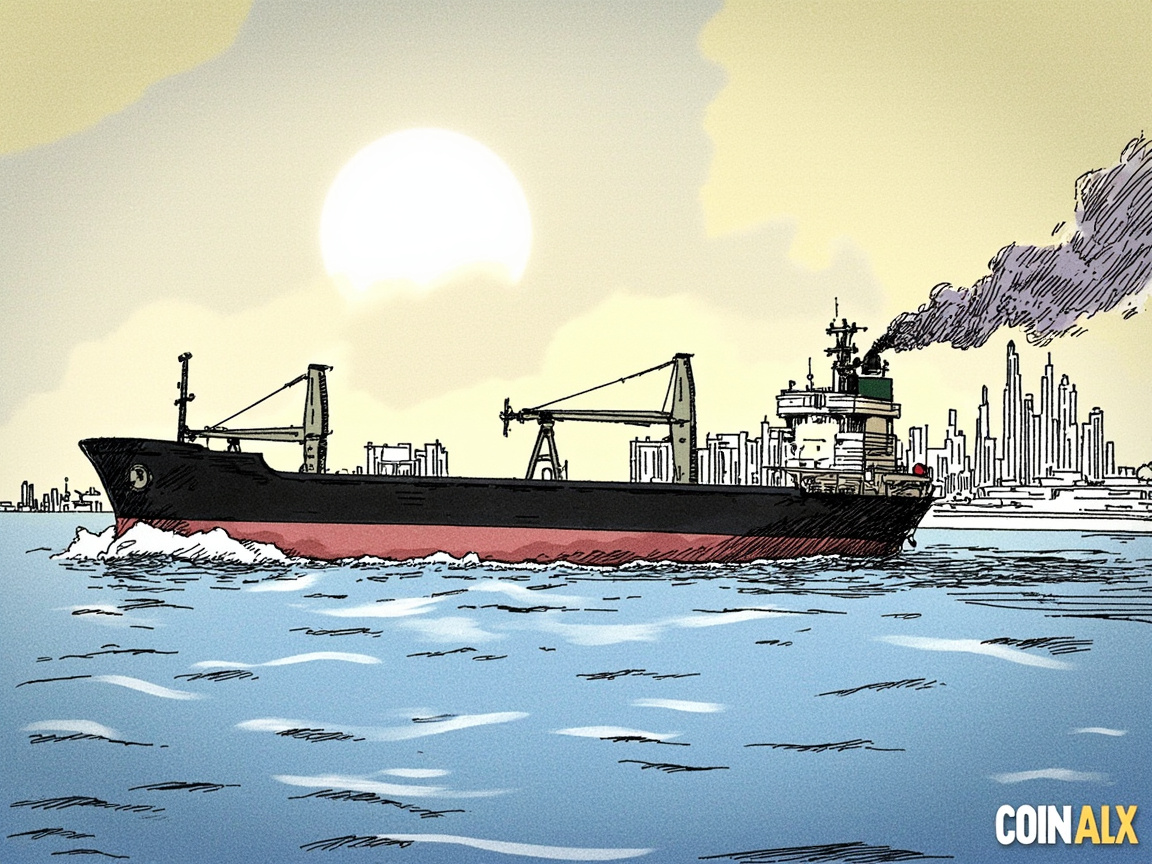
Trump is weighing Iran’s proposal, but the Strait of Hormuz remains closed. Crude oil hit an all-time high on April 30, with WTI briefly touching $160. But the market reaction is mixed: Polymarket’s contract for "crude oil hits all-time high on April 30" traded at just 1.1% "yes," down from 2% yesterday, while "WTI reaches $160 in April" sits at only 15%.
**On the surface, it’s a geopolitical standoff. What really matters: market liquidity is drying up fast. Any news can trigger violent moves, and Bitcoin—as a risk-asset sentiment anchor—is being repriced by this uncertainty.**
## Market Reaction: Low Confidence, But Big Bets
Polymarket’s "Trump announces Strait of Hormuz blockade" contract shows the market sees a 68% chance of resolution by May 31, down from 72% yesterday. That dip suggests traders are losing faith in a quick deal.
But the real story is liquidity: The crude oil all-time high market has an average daily USDC volume of just $2,513. A mere $695 can move the price 5 points. The WTI market is even thinner: $506 in USDC volume, with $1,632 needed for a 5-point move. Both markets are ripe for manipulation or explosion from a single large trade.
In the WTI market, each YES share costs $0.15 and pays $1 if oil hits $160—a 6.67x return. But that bet only makes sense if you expect a severe supply shock within days. CBS World reports neither side is backing down, so the stalemate could drag on.
## Why This Matters for Bitcoin Investors
A crude oil spike usually signals rising inflation expectations, forcing the Fed to stay hawkish and weighing on risk assets. But the current focus is different: how will geopolitical uncertainty itself affect Bitcoin?
History shows that when traditional markets see extreme volatility from liquidity crunches, Bitcoin often gets sold off as a risk asset first, then may later act as a safe haven. The twist this time: crude oil futures are so illiquid that a few hundred dollars can move prices. That means any news about Trump’s decision could trigger a chain reaction, impacting Bitcoin’s short-term direction.
## What to Watch Next
Trump’s indecision is the biggest variable. He could accept Iran’s proposal or suddenly escalate the blockade. Statements from intermediaries like Pakistan, official White House comments, and emergency OPEC+ meetings are all potential catalysts.
For Bitcoin investors, keep an eye on:
- Trump’s tweets or statements about the Strait of Hormuz
- Unusual large orders in crude oil futures (especially WTI $160 contract volume changes)
- U.S. Strategic Petroleum Reserve moves
If the blockade lifts, oil prices fall, and Bitcoin could see a short-term bounce. If tensions escalate and oil surges to $160, Bitcoin might dip first then rally—but only if liquidity returns.
## Reality Check
This isn’t a simple "buy or sell" signal. It’s a reminder that global markets are more fragile than they appear. Bitcoin investors should add Strait of Hormuz news to their daily watchlist, because the next shock may not come from crypto—it may come from an oil futures market that a few hundred dollars can ignite.
Remember: when liquidity vanishes, any price is possible. And Trump’s hesitation is the match that could light the fuse.
DISCLAIMER:
1. All content on this website (including but not limited to articles, data, charts, and analyses) is for general informational purposes only and does not constitute any form of investment advice, trading recommendation, or financial guidance.
2. Cryptocurrencies and digital assets are subject to extreme price volatility and high investment risk; you may lose part or all of your principal. Past performance does not predict future results.
3. The information on this website is based on sources we believe to be reliable, but we do not guarantee its accuracy, completeness, or timeliness. Any investment decisions made based on this website’s information are at your own risk.
4. We strongly recommend that you conduct your own thorough research and consult an independent, licensed financial advisor before making any investment decisions.