Strait of Hormuz Lockdown: Tuvalu Falls First, Who's Next?
2026-04-26 13:35:27
### A Tiny Island's Crisis, a Geopolitical Litmus Test
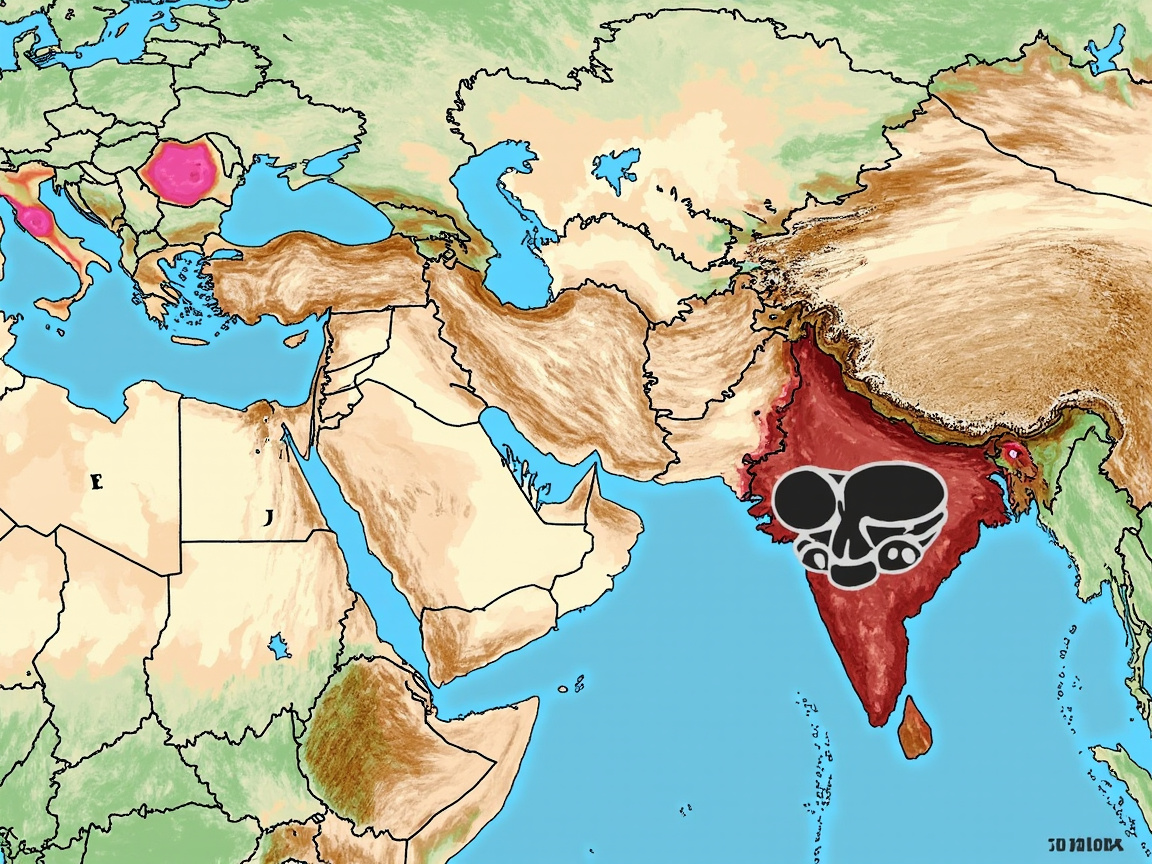
On April 30, the Strait of Hormuz blockade plunged Tuvalu into a fuel crisis. This Pacific island nation has no alternative supply routes, making it the first domino to fall. But don't let this headline distract you—Tuvalu's plight is just the tip of the iceberg. What really matters: the US Strategic Petroleum Reserve (SPR) is being bet on with real money, and the probability of Iran attacking ships surged from 19% to 59% in 24 hours. This isn't an isolated event; it's a rehearsal for a global energy showdown.
### The US SPR: A 2% Bet with a Bigger Play
Market data shows only a 2% chance that US crude reserves will drop to 325 million barrels by May 1. Sounds negligible? But trading volume in this market was zero over the past 24 hours—traders aren't betting on a sharp SPR decline. Yet, shares betting 'yes' cost just $0.02 each, with a potential payout of $1 if triggered—a 50x return. That asymmetry means even a slim chance is worth watching.
Why so low? Because tapping the SPR requires a clear signal from Energy Secretary Jennifer Granholm. No signs point to a release. But geopolitics doesn't play by the rules—if Iran successfully strikes ships before April 30, oil price spikes could force Washington to reconsider.
### Iran's 59%: A Low-Cost, High-Volatility Game
The probability of an Iranian ship attack jumped from 19% to 59%, and moving this market costs just $101 to shift prices by 5 points. That means small money can trigger huge swings, and speculators are piling in. This isn't just geopolitical risk—it's a liquidity trap. Once an event hits, markets could spiral out of control.
### What's Next? What Investors Should Watch
First, watch the Energy Department's mouth. Any public statement from Granholm, especially on the SPR, will ignite markets. Second, track Iran's naval movements. The speed and scale of US military response will determine whether attack probabilities keep rising or fall. Third, look at alternative supply routes. Tuvalu's crisis is a reminder: nations without energy autonomy are lambs to the slaughter in geopolitical conflicts.
### So What?
This game won't end on April 30. Tuvalu is just the first card to fall, but there are more players at the table. For the Bitcoin crowd, this isn't a 'buy or sell' signal—it's a reminder that when traditional energy systems crack, capital seeks alternative narratives. Bitcoin's 'digital oil' story gains traction in a real oil crisis.
Keep your eyes on the Strait of Hormuz, but don't just watch oil prices. The real volatility may come from where you least expect it.
DISCLAIMER:
1. All content on this website (including but not limited to articles, data, charts, and analyses) is for general informational purposes only and does not constitute any form of investment advice, trading recommendation, or financial guidance.
2. Cryptocurrencies and digital assets are subject to extreme price volatility and high investment risk; you may lose part or all of your principal. Past performance does not predict future results.
3. The information on this website is based on sources we believe to be reliable, but we do not guarantee its accuracy, completeness, or timeliness. Any investment decisions made based on this website’s information are at your own risk.
4. We strongly recommend that you conduct your own thorough research and consult an independent, licensed financial advisor before making any investment decisions.