Iran's Oil Fields Are Dying Permanently, but the Market Prices It at Just 1.4 Cents
2026-04-26 05:45:36
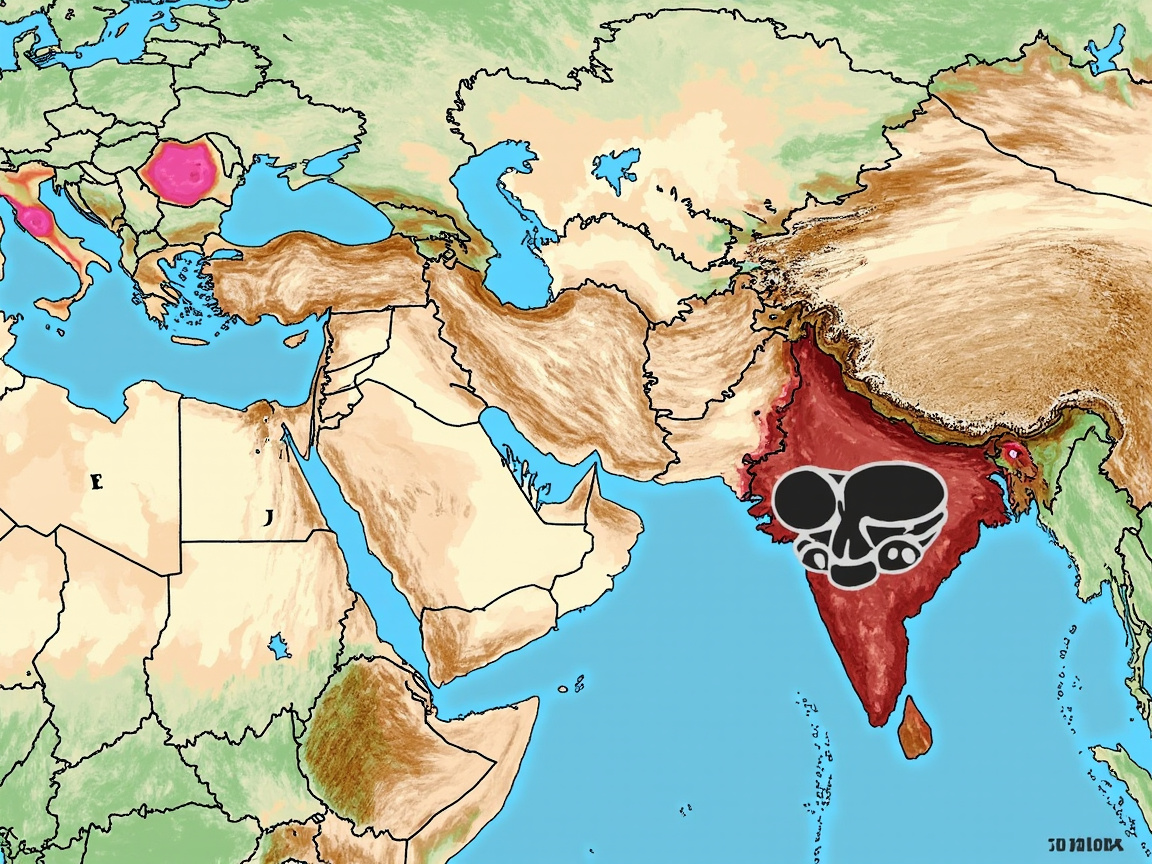
Iran's low-pressure oil fields are heading toward irreversible depletion—not a temporary shutdown, but permanent death. As of April 30, the market priced this risk at just 1.4 cents.
This looks like a geological issue on the surface, but what really matters is that markets are systematically underpricing an "irreversible supply shock." Once these fields shut down due to low pressure, they may never come back. This isn't geopolitics—it's physics.
## Why Is the Market So Calm?
On April 30, despite reports of fragile Iranian infrastructure, a potential Strait of Hormuz blockade, and ongoing attacks on Gulf oil facilities, the USDC price barely budged. Daily volume was just $2,513, and a $100,000 order book could move prices by 5 points with only $695—extremely thin liquidity. The maximum price move was 1 point, suggesting traders broadly expect no major oil price spike before month-end.
This pricing logic assumes "everything will pass." But low-pressure field depletion isn't a geopolitical event—it has no negotiation room, no time window. Once pressure drops below the critical threshold, the field is dead.
## The Bet Behind 1.4 Cents
What is the market betting on? That oil prices won't break $120/barrel before April 30. The YES token is priced at 1.4 cents, paying $1 if triggered—implying a 71x return. To trigger it, you'd need a sharp escalation or a major new supply disruption.
The problem: the market only prices in "geopolitical escalation" probabilities but ignores the inevitability of "geological death." The loss of low-pressure fields is happening every day—not "if," but "when."
## What Investors Should Watch
1. **Strait of Hormuz blockade dynamics**: Any real blockade would instantly spike oil prices, but the market is underpricing this.
2. **OPEC+ production adjustments**: If OPEC+ boosts output to cover Iran's shortfall, it could cap prices short-term. But if they hold steady, the gap will widen.
3. **US or Iran strategic moves**: Any direct intervention in supply would make the 1.4-cent pricing look absurd.
## The Takeaway
Iran's oil fields are dying in slow motion, but the market is pricing in fast-forward. 1.4 cents isn't an opportunity—it's a warning. When markets ignore irreversible risks, real volatility often starts from the quietest corners.
What investors should ask now isn't about direction, but: if Iran permanently loses 10% of its production capacity, can your portfolio handle it?
DISCLAIMER:
1. All content on this website (including but not limited to articles, data, charts, and analyses) is for general informational purposes only and does not constitute any form of investment advice, trading recommendation, or financial guidance.
2. Cryptocurrencies and digital assets are subject to extreme price volatility and high investment risk; you may lose part or all of your principal. Past performance does not predict future results.
3. The information on this website is based on sources we believe to be reliable, but we do not guarantee its accuracy, completeness, or timeliness. Any investment decisions made based on this website’s information are at your own risk.
4. We strongly recommend that you conduct your own thorough research and consult an independent, licensed financial advisor before making any investment decisions.