Trump Cancels Envoy's Pakistan Visit, Peace Deal Odds Crash to 3.2% — What Markets Are Telling
2026-04-26 04:04:57
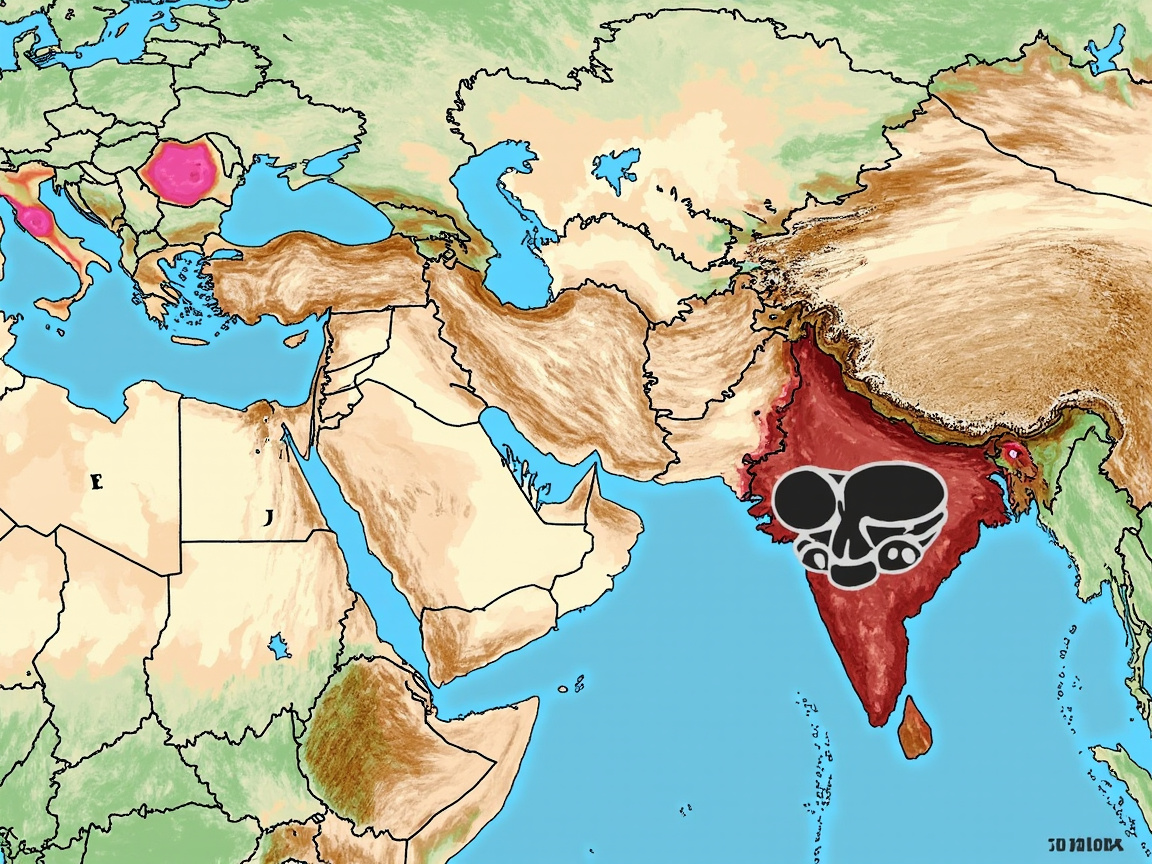
Trump suddenly canceled the US envoy's trip to Pakistan, and prediction markets exploded. The probability of a permanent US-Iran peace deal by April 30 crashed from 10% yesterday to 3.2%. The May 31 deal odds fell from 38% to 28.5%, and the June 30 resolution dropped from 57% to 43%. The odds of a Strait of Hormuz blockade surged from 72% to 55.5%, while oil sanction removal odds collapsed from 62% to 7% in a week.

On the surface, it's a diplomatic schedule change. But what really matters is: **the market is telling you, with real money, that the peace deal is 80% dead.** This isn't diplomatic rhetoric — it's $854,504 in USDC volume backing up the reality.
## Where Did the Axe Fall?
Canceling the envoy's Pakistan visit isn't a last-minute itinerary change; it's a signal of strategic shift. Trump had just signaled openness to negotiations, then pulled the plug. This suggests the hardliners within the White House have gained the upper hand on Iran. The market reaction is honest: all related contracts fell across the board, especially oil sanction removal odds, which plunged 55 percentage points in a week. Traders are directly betting sanctions won't ease.
More critically, look at liquidity. The total volume across these prediction markets is $850K, but the April 30 deal contract only needs $27K to move 5 points. That means big money can easily manipulate prices. But conversely, **the current prices are actually more truthful — because no one is willing to spend big to bet on peace.** If there were insider info, smart money would have bottom-fished. Instead, the trend is one-way down.
## What Happens Next?
Short-term, watch two signals: Trump's public statements or a shift in Iran's negotiating posture. If Trump doubles down on social media, peace odds could fall below 1%. If Iran suddenly extends an olive branch, markets would snap back — but that's highly unlikely.
Medium-term, what does oil sanction removal odds at 7% mean? Oil prices could face renewed upward pressure. Bitcoin, as a risk asset, will be suppressed by geopolitical risk in the short run. But don't forget: Bitcoin's "digital gold" narrative actually gets strengthened in times like this — if the Strait of Hormuz is really blockaded, global energy panic will push up safe-haven assets.
## What Investors Should Watch
Stop staring at the peace deal odds. What really matters is the **oil sanction removal contract**. It's already priced in the worst case, dropping from 62% to 7%. If any sign of de-escalation appears, this contract has the most upside. But you have to believe Trump can flip — with his style, a tweet saying "negotiations are going well" tomorrow isn't impossible.
Also, the Strait of Hormuz blockade odds rose from 72% to 55.5%. Although the number is lower, the direction is worsening. This contract is directly tied to oil prices, which affect inflation expectations and Fed policy. If blockade odds tick up again, Bitcoin's liquidity environment will tighten further.
## Conclusion
The peace deal is dead — at least until April 30. The market's 3.2% odds tell you: don't hold your breath. What comes next is either Trump's maximum pressure or Iran's escalation. Either way, it's bad for risk assets in the short term. But Bitcoin's long-term thesis remains intact — when the world gets messier, someone will always remember the digital gold free from sovereign control.
DISCLAIMER:
1. All content on this website (including but not limited to articles, data, charts, and analyses) is for general informational purposes only and does not constitute any form of investment advice, trading recommendation, or financial guidance.
2. Cryptocurrencies and digital assets are subject to extreme price volatility and high investment risk; you may lose part or all of your principal. Past performance does not predict future results.
3. The information on this website is based on sources we believe to be reliable, but we do not guarantee its accuracy, completeness, or timeliness. Any investment decisions made based on this website’s information are at your own risk.
4. We strongly recommend that you conduct your own thorough research and consult an independent, licensed financial advisor before making any investment decisions.