Intel Shares Surge 300% on US Government Stake: It's Not Just a Chip Recovery
2026-04-25 00:40:07
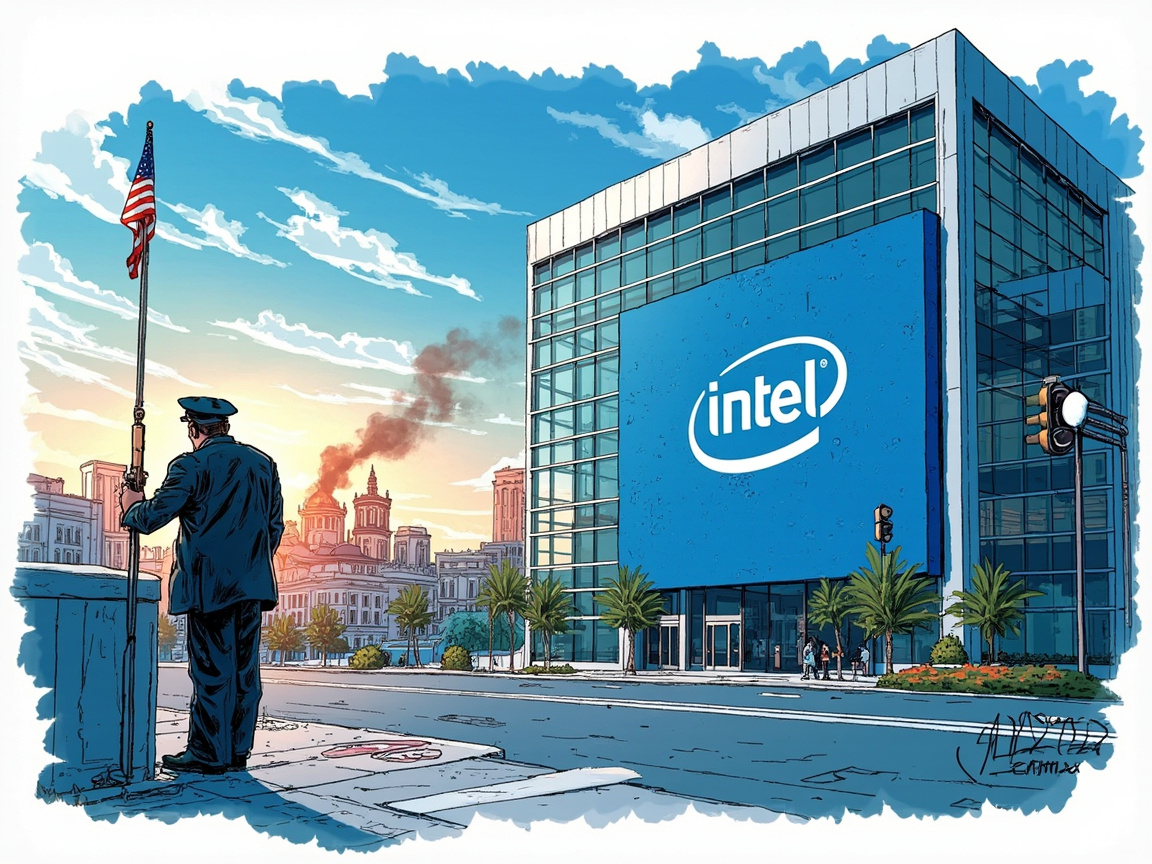
The US government's stake in Intel has quadrupled to roughly $36 billion, yielding a paper gain of nearly $27 billion from an investment plan struck in August. On the surface, it's a chip sales rebound. But the real driver is a carefully orchestrated political and capital game—CEO Chen Liwu's charm offensive mended ties with Trump, even reversing the president's earlier call for his ouster.
## Where the knife cuts
Intel's stock surge isn't about tech breakthroughs or market demand—it's about political relationship repair. Chen's charm offensive secured White House backing, making the US government a strategic investor. This effectively uses political credit to backstop the stock, giving Intel a unique position in the geopolitical chip game.
For crypto circles, the lesson is clear: when traditional assets become deeply entangled with politics, their volatility logic shifts from market forces to power games. Intel proves that sometimes winning over one person beats winning over the market.
## So what should investors watch?
First, Intel's stock trajectory now hinges on policy continuity under Trump. If the political wind shifts, that $36 billion could evaporate. Second, this "political investment" model may spread to other sectors, especially semiconductors and energy. Bitcoin investors should note: as traditional assets rely on political life support, crypto's "decentralization" narrative becomes more scarce.
Intel's story also exposes the fragility of traditional finance—a company's fate can flip based on a CEO's relationship with the president. That's precisely why Bitcoin exists: an asset immune to any individual or government's will.
## What's next?
Short-term, Intel will continue to enjoy political dividends, with shares likely staying elevated. But long-term risk looms: a change in administration or policy could trigger a valuation reset. For crypto markets, this could be a tailwind—as political risk in traditional assets becomes apparent, capital may seek neutral havens.
Investors should watch two signals: the frequency of Intel CEO interactions with the White House, and whether the US government expands similar investments. If political capital becomes the new normal, Bitcoin's "apolitical" nature becomes more valuable.
## Final word
Intel's 300% surge isn't a victory for chips—it's a victory for power. And Bitcoin is precisely the corner that power cannot reach.
DISCLAIMER:
1. All content on this website (including but not limited to articles, data, charts, and analyses) is for general informational purposes only and does not constitute any form of investment advice, trading recommendation, or financial guidance.
2. Cryptocurrencies and digital assets are subject to extreme price volatility and high investment risk; you may lose part or all of your principal. Past performance does not predict future results.
3. The information on this website is based on sources we believe to be reliable, but we do not guarantee its accuracy, completeness, or timeliness. Any investment decisions made based on this website’s information are at your own risk.
4. We strongly recommend that you conduct your own thorough research and consult an independent, licensed financial advisor before making any investment decisions.