Iran Tensions Squeeze Oil and Dollar Liquidity: What Crypto Should Watch
2026-04-24 21:00:39
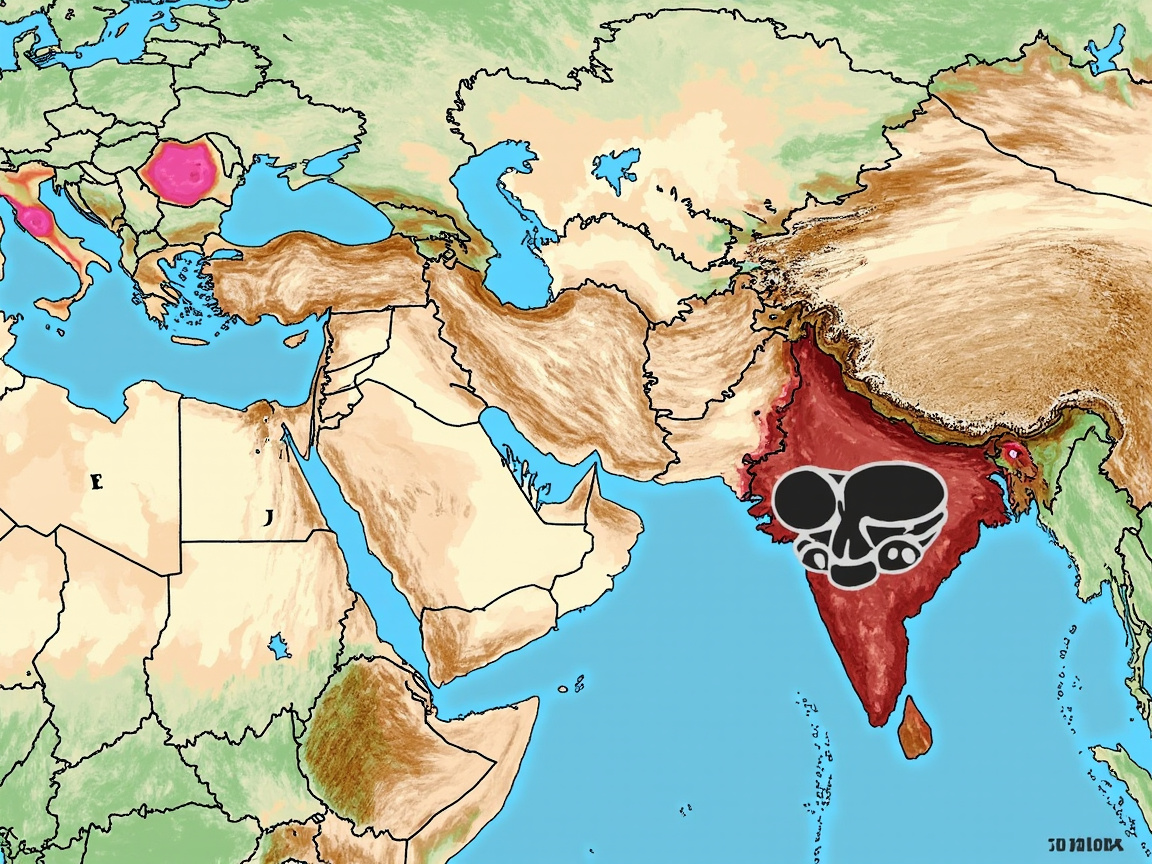
The Iran conflict is tightening the noose around the Strait of Hormuz, through which about 20% of global oil passes. Gulf states are scrambling for dollar liquidity via currency swap lines. As of April 30, oil prices hit record highs, but crypto markets barely budged: USDC's average daily volume was just $2,006, and a $1,020 trade could move its price by 5%.

On the surface, it's a geopolitical tremor. But what really matters is how dollar liquidity stress is transmitting into crypto—and the market's "low volatility" is masking real danger.
## Why Isn't the Market Reacting?
Traders aren't calm; they're waiting for confirmation. Over the past 24 hours, prediction market odds for a major escalation dropped from 3% to 1.2%—reflecting a loss of confidence, not risk removal.
A 1.2-cent bet would pay 83.3x if the situation escalates within 7 days. But no one is taking it. Why? Because concrete triggers are missing: Iran hasn't fully banned exports, and the Strait isn't officially closed. Traders treat it as noise.
But behind the noise is real pressure: Gulf states are swapping for dollars, signaling tightening dollar liquidity. And crypto—especially stablecoins—is highly sensitive to dollar availability.
## Where Does the Knife Fall?
For crypto investors, the immediate risk is stablecoin liquidity. USDC's daily volume of $2,006 means any large inflow or outflow could cause wild swings. If Gulf dollar demand further squeezes offshore dollar markets, stablecoin de-pegging risk rises.
The more insidious channel: petrodollar recycling slows → global dollar liquidity tightens → risk assets suffer → crypto corrects. This isn't short-term noise; it's a medium-term structural issue.
## What to Watch Next
Don't stare at oil prices. Watch these three things:
1. **OPEC+ statements**: If they boost output, oil falls and dollar pressure eases. If they cut, it's fuel on the fire.
2. **US strategic reserve releases**: This injects liquidity directly, temporarily capping oil prices—but also exposes US energy vulnerability.
3. **New sanctions**: Any financial sanctions on Iran will further cut petrodollar flows, worsening the dollar shortage.
Any of these could flip the current "calm" market instantly.
## So What?
Don't be fooled by low volatility. The market isn't unafraid; it's waiting for a trigger.
For crypto, the smart move isn't to bet on direction—it's to check your stablecoin holdings. USDC's thin liquidity makes it risky; switching to larger-cap USDT may be safer. Also, prepare for volatility spikes—whether from geopolitical escalation or a liquidity crisis, crypto will shake hard.
Remember: when everyone thinks it's fine, risk is usually creeping closer.
DISCLAIMER:
1. All content on this website (including but not limited to articles, data, charts, and analyses) is for general informational purposes only and does not constitute any form of investment advice, trading recommendation, or financial guidance.
2. Cryptocurrencies and digital assets are subject to extreme price volatility and high investment risk; you may lose part or all of your principal. Past performance does not predict future results.
3. The information on this website is based on sources we believe to be reliable, but we do not guarantee its accuracy, completeness, or timeliness. Any investment decisions made based on this website’s information are at your own risk.
4. We strongly recommend that you conduct your own thorough research and consult an independent, licensed financial advisor before making any investment decisions.