Trump Extends Jones Act Waiver: Oil Dips, but the Real Watchpoint Is Hormuz
2026-04-24 20:11:00
The Trump administration renewed the Jones Act shipping waiver for another 90 days, and oil prices promptly turned lower. On the surface, it looks like an executive order capping energy costs. But what really matters is that the US is laying the groundwork for the next phase in the Middle East—a larger conflict—by securing an energy safety net in advance.
## Waiver Extension: Not a Market Rescue, But War Prep
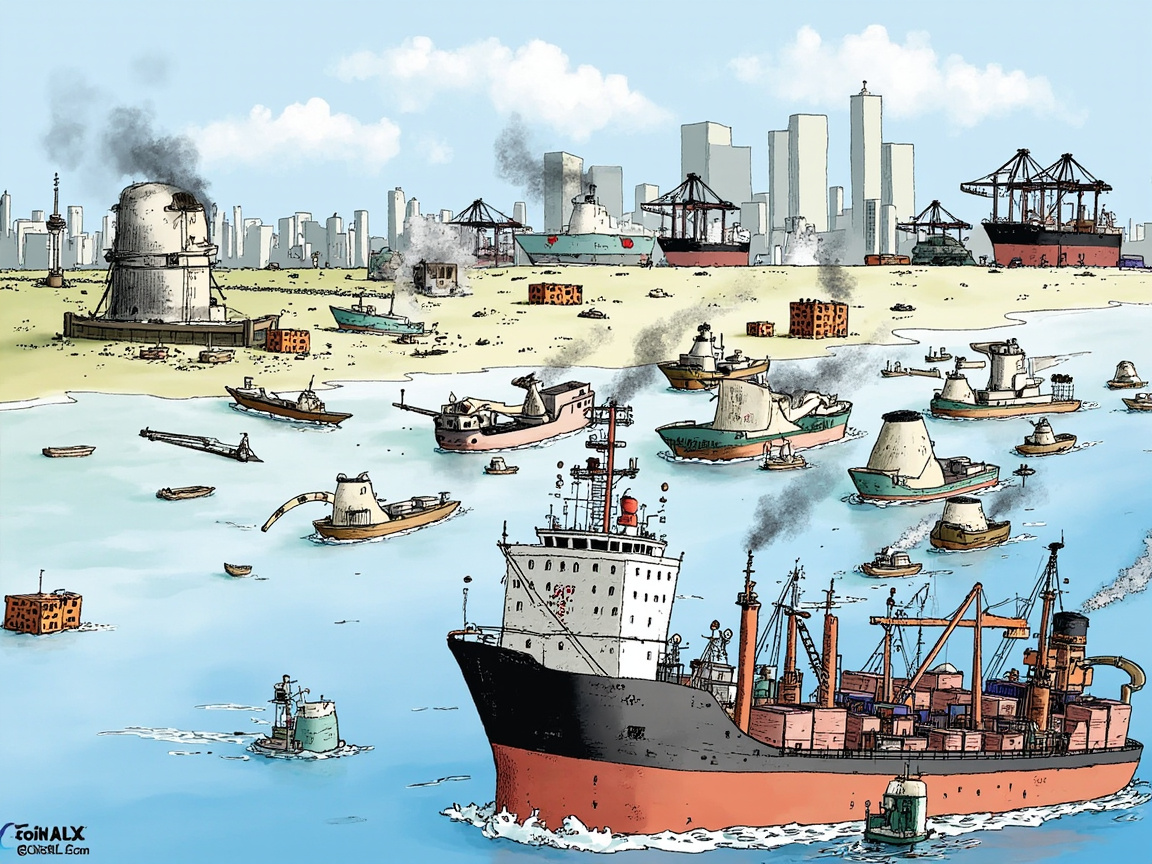
On April 24, the White House extended the waiver allowing foreign vessels to transport oil, refined products, and fertilizer between US ports through mid-August. The waiver was set to expire on May 17 and covers 659 commodities, from crude to ammonia, essentially wrapping up the key nodes of the energy and agricultural supply chains.
The news sent international oil prices lower in the short term. The market read it as "supply pressure easing," but don't be fooled by the short-term move. The waiver was requested by the US Department of Defense, under a congressional amendment to the Jones Act that allows such exemptions only when "existing vessels are insufficient to meet national defense requirements" and the waiver is "necessary to address immediate adverse effects of military operations."
In other words, this isn't a White House whim for consumer relief—it's the Pentagon clearing the way for potential military action.
## The Real Issue: Hormuz's 13 Million Barrel Gap
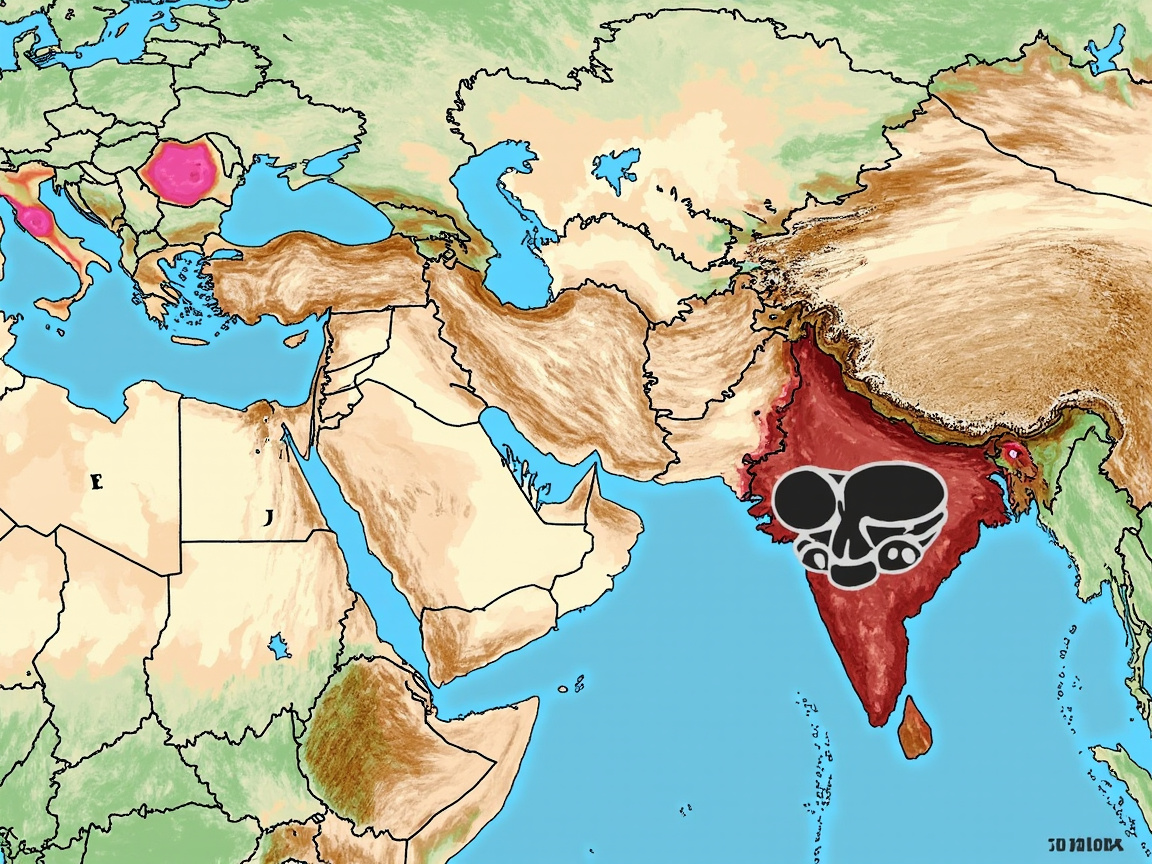
The waiver extension comes against the backdrop of a de facto blockade of the Strait of Hormuz due to conflict, removing roughly 13 million barrels per day of crude and refined products from global markets. That's nearly a third of global seaborne oil.
The US military is drafting new plans: if the US-Iran ceasefire collapses, the focus will be on striking Iran's military defenses around Hormuz, possibly even hitting Iranian energy facilities. Negotiations are still ongoing—Iran's foreign minister arrived in Islamabad on April 24 with a delegation—but the military plans are already on the table.
So the shipping waiver isn't about making oil cheaper; it's about ensuring that US refineries can still move oil from the Gulf of Mexico to the East Coast if Hormuz is completely shut off. This is part of a war contingency plan.
## Oil Companies Win, Shipping Loses, but Consumers May Be the Real Losers
The waiver's supporters are the oil industry. US refiners have already started booking crude for July delivery, and the extension gives them more flexibility to switch supply sources. The opposition comes from domestic shipping. The president of the Offshore Marine Service Association didn't mince words: "This is sacrificing the US shipping industry and the foundation of the Navy for the benefit of oil traders and foreign shipowners."
But the political calculus is more important. With midterm elections just months away in November, high oil prices are becoming a hot potato for Trump. He talks about prices falling after the conflict ends, while using executive orders to cap short-term costs. The waiver extension, relaxed fuel specifications, even easing restrictions on some Russian crude—all these moves point to one goal: keeping oil prices low until the elections.
The question is, if Hormuz really erupts, how long can these stopgap measures hold? A daily gap of 13 million barrels isn't something a 90-day waiver can fill.
## What Investors Should Watch
The waiver extension is a short-term bearish signal for oil, but don't mistake it for a trend. The real driver of oil prices is the sound of gunfire at the Strait of Hormuz.
Watch two things: first, substantive progress in US-Iran talks—if Iran's foreign minister achieves something in Islamabad, oil could fall faster; second, the timeline for US military plans—once a strike plan is activated, the supply boost from the waiver won't matter.
For the Bitcoin crowd, the logic is straightforward: higher oil means higher inflation expectations, which means the Fed is less likely to ease. Tighter liquidity expectations weigh on risk assets, including Bitcoin. Conversely, if the Middle East situation unexpectedly de-escalates, oil falls, inflation pressure eases, and Bitcoin could get a breather.
In short: the waiver is a tactical move, but Hormuz is the strategic variable. Don't let a 90-day extension throw you off.
DISCLAIMER:
1. All content on this website (including but not limited to articles, data, charts, and analyses) is for general informational purposes only and does not constitute any form of investment advice, trading recommendation, or financial guidance.
2. Cryptocurrencies and digital assets are subject to extreme price volatility and high investment risk; you may lose part or all of your principal. Past performance does not predict future results.
3. The information on this website is based on sources we believe to be reliable, but we do not guarantee its accuracy, completeness, or timeliness. Any investment decisions made based on this website’s information are at your own risk.
4. We strongly recommend that you conduct your own thorough research and consult an independent, licensed financial advisor before making any investment decisions.