Oil Trading Legend Pierre Andurand Lost 52% in Two Weeks, Erasing 31% Q1 Gains
2026-04-24 08:57:13
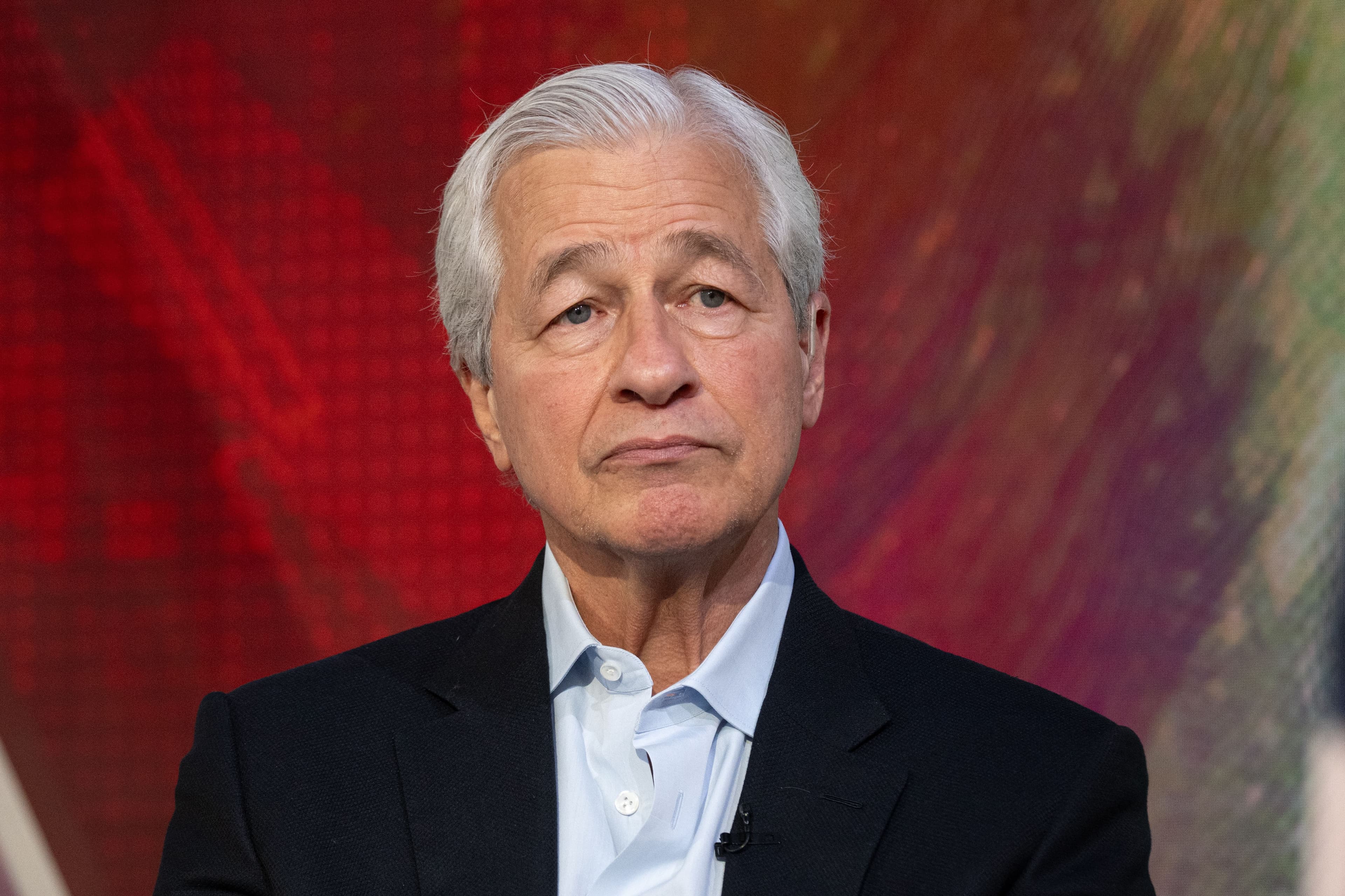
Pierre Andurand, the so-called 'Oil Trading God,' just took another wild ride.
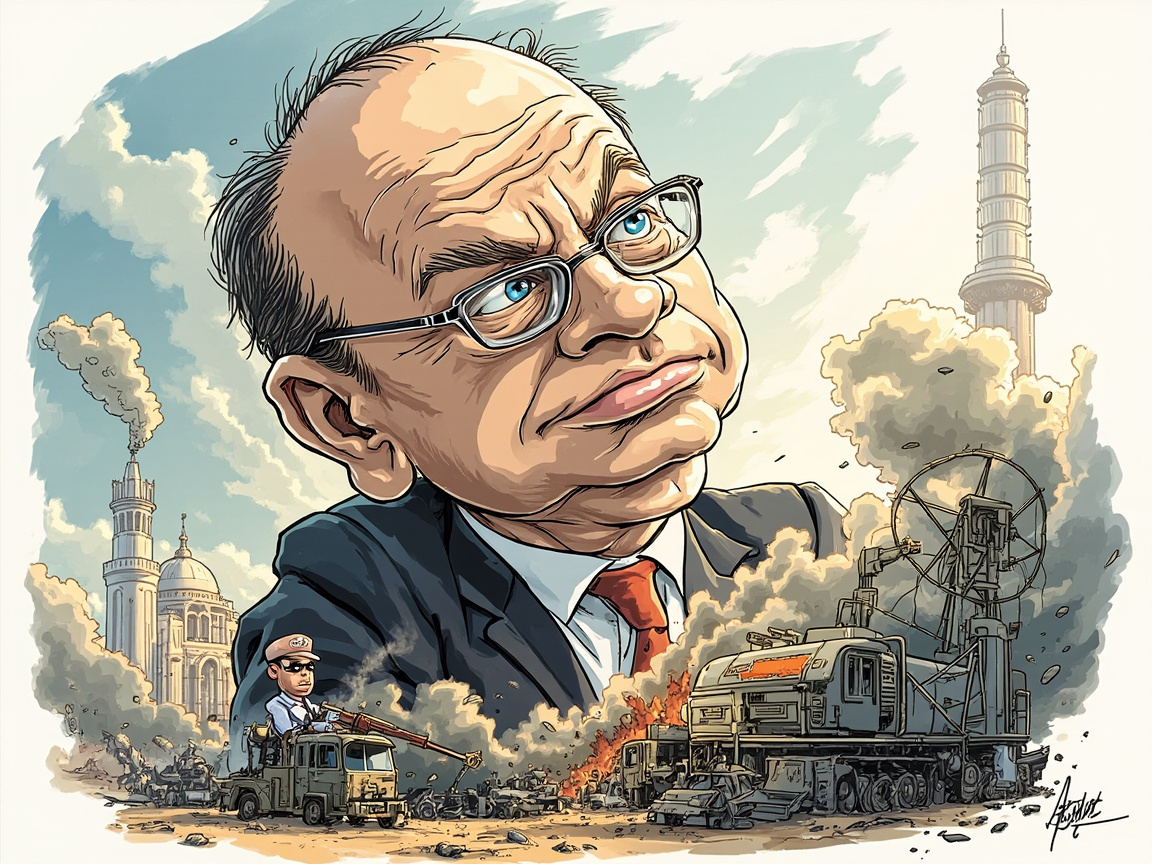
On April 23, Bloomberg reported that Andurand's largest hedge fund crashed about 52% in the first half of April, erasing the 31% gain from Q1 and pushing year-to-date losses to nearly 37%.
On the surface, it was Trump's ceasefire signal that sent oil prices tumbling from $120, crushing his long positions. But the real story isn't geopolitics—it's Andurand's business model: he doesn't win by accuracy, but by betting big enough on one right call to cover three years of losses. That model guarantees he'll keep falling into the same trap.
### Ceasefire Was Just the Trigger; Position Structure Was the Killer
Let's look at the facts: Andurand's 31% Q1 gain came almost entirely from March's 30.6% surge, when the US-Iran war broke out and Brent hit $120. He was right.
But in April, the narrative flipped. Trump pushed for peace, expectations shifted from 'supply disruption' to 'ceasefire talks,' and oil quickly fell to $100. Andurand's long positions couldn't adjust in time, losing half their value in two weeks.
The core issue: his fund has no fixed risk limits. In good times, he can max out leverage for spectacular returns. In bad times, no stop-loss means losses are equally extreme. 2022: +59%. 2023: -55%. 2024: +50%. 2025: -40%. This isn't bad luck—it's a design flaw.
### Physical Traders Thrived; Why Didn't He?
During the same volatility, physical oil traders like Vitol and Trafigura made a killing.
The difference? They trade physical barrels, profiting from supply chain chaos, spreads, and logistics. Andurand trades futures, betting purely on price direction.
When a supply shock hits, physical traders can hoard, reroute, and arbitrage—more volatility means more profit. But a futures long has only one path: win if price goes up, lose if it goes down. When the geopolitical wind shifts, there's no buffer.
The lesson for investors: if you bet on event-driven plays, accept that events can reverse. Andurand's performance curve is a masterclass in risk management—or the lack thereof.
### What Happens Next?
Andurand's troubles won't end soon.
First, oil prices remain driven by sentiment. If ceasefire talks make real progress, oil could slide further, triggering more redemptions.
Second, his playbook means he'll likely double down on the next supply shock. In 2023, he predicted Brent at $140—it didn't happen. In 2024, he dumped positions before an OPEC+ meeting and dodged a drop. This year, he bet on the Middle East and won in Q1, then lost it all in April.
This isn't about bad judgment—it's a flawed strategy: high leverage, no risk control, extreme bets. Over time, the market always teaches that lesson.
### What Investors Should Watch
Don't just gawk at Andurand's losses. Focus on:
1. **Oil volatility**: If ceasefire hopes fade, oil could spike again, and Andurand might recover. If a deal is reached, oil could drop to $80, and his fund may liquidate.
2. **Star manager risk**: These blow-ups amplify market sentiment. They profit from extremes and lose from extremes. Don't copy this style.
3. **Physical vs. paper**: The risk-return profile of physical assets and futures is completely different. If you're bullish on oil, buying an ETF vs. oil stocks can yield vastly different results.
Andurand's story boils down to one line: money made by luck is eventually lost by skill. He just had enough luck to win for years before losing it all in one go.
Next time you see 'Fund manager up XX% in Q1,' ask first: does he have a stop-loss?
DISCLAIMER:
1. All content on this website (including but not limited to articles, data, charts, and analyses) is for general informational purposes only and does not constitute any form of investment advice, trading recommendation, or financial guidance.
2. Cryptocurrencies and digital assets are subject to extreme price volatility and high investment risk; you may lose part or all of your principal. Past performance does not predict future results.
3. The information on this website is based on sources we believe to be reliable, but we do not guarantee its accuracy, completeness, or timeliness. Any investment decisions made based on this website’s information are at your own risk.
4. We strongly recommend that you conduct your own thorough research and consult an independent, licensed financial advisor before making any investment decisions.