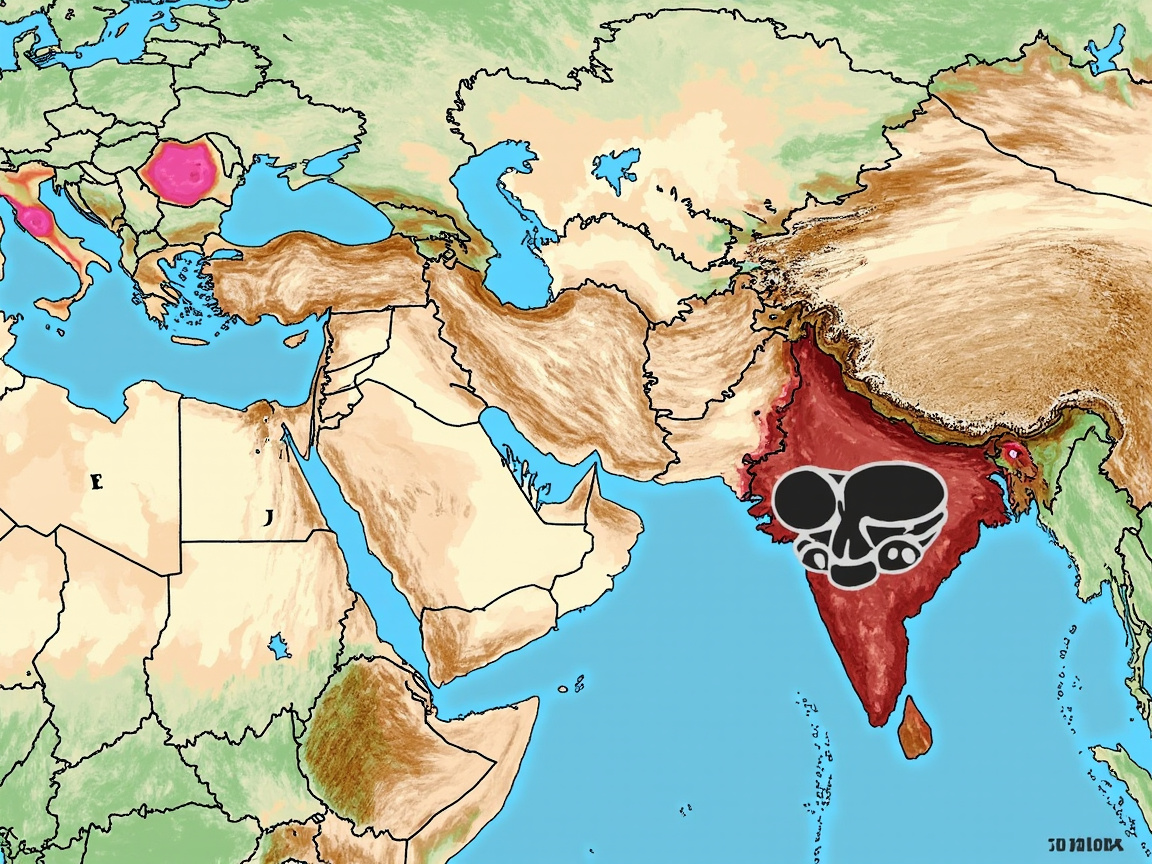
Iran Tightens Grip on Strait of Hormuz: 80 Ships Face 5% Transit Probability as Shipping Costs Surge
2026-04-24 00:58:41
Iran has dropped a bombshell: all vessels transiting the Strait of Hormuz must now pay a toll, with some nations facing extra fees. As of April 30, the probability of 80 ships making it through has plummeted from 17% to just 5%. This isn't a drill—it's a full-blown chokehold on a critical waterway.
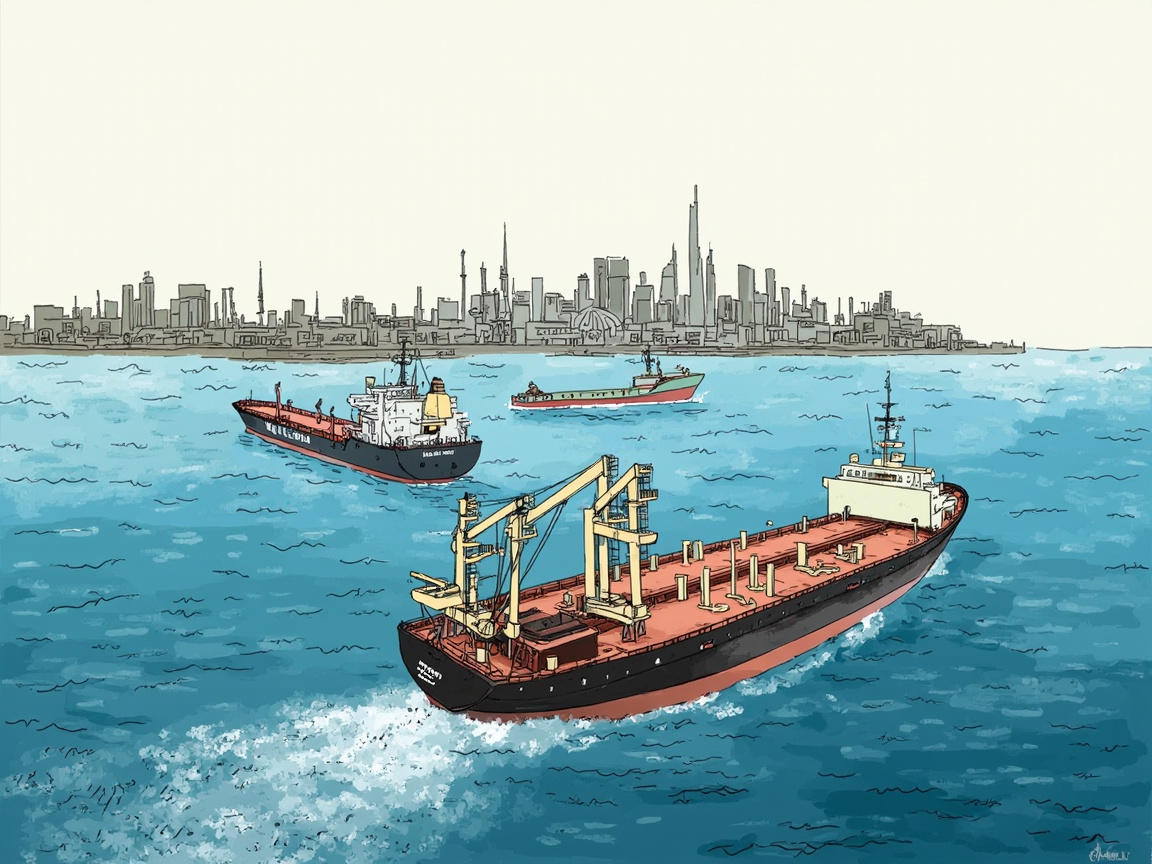
On the surface, it's about tolls. In reality, it's a knife aimed at the jugular of global energy and trade. The Strait of Hormuz handles roughly one-third of the world's oil shipments. By imposing this fee, Iran has effectively installed a valve on the crude supply chain.
## The Toll Is the Least of It
The new law mandates payment in Iranian rials and bans specific vessels. Translation: shipping lines either reroute or face delays. Rerouting via the Cape of Good Hope adds two weeks and spikes costs by over 30%. Delays directly push up freight rates, which ultimately hit consumers.
Even more aggressive: Iran has vowed to seize violators. This isn't a bargaining chip—it's action. With seven days until the final resolution, markets have already voted: the predicted probability of 80 ships passing has crashed from 17% to 5%, signaling a near-term deadlock.
## Crypto's Butterfly Effect
You might think this is far from crypto. Wrong. Rising global trade costs fuel inflation expectations, narrowing the Fed's window for rate cuts. Risk assets take the first hit, and Bitcoin, as a liquidity-sensitive asset, won't escape unscathed.
More directly, this move could accelerate de-dollarization. If more countries turn to local currencies or crypto for energy settlements, demand for Bitcoin and stablecoins might unexpectedly rise. But in the short term, fear dominates—safety first.
## Trader's Bet: 20x or Bust?
Polymarket has a wild wager: if 80 ships pass by April 30, $1 turns into $20. Tempting, but it hinges on a major diplomatic breakthrough within a week. At 5% odds, it's basically a lottery ticket.
The real opportunity lies in the chain reaction. If the U.S. or allies deploy naval escorts, the situation could flip overnight. If Iran holds firm, oil prices and shipping stocks will surge. Traders should watch the U.S. Navy, not the toll fees.
## What to Watch Next
First, Admiral Cooper's remarks. Any hint of escort or military intervention will move markets. Second, diplomatic efforts. EU or Chinese mediation could ease tensions. Third, shipping lines' actual moves. If giants like Maersk announce rerouting, that's the smoking gun.
Iran's move strikes at the core of global trade. Short-term, oil and freight costs are likely to rise. Long-term, supply chain restructuring and de-dollarization may accelerate. Crypto investors, don't just stare at the charts—geopolitical tremors often hit harder than technical indicators.
Remember: when the Strait of Hormuz toll becomes a political weapon, no ship sails unscathed.
DISCLAIMER:
1. All content on this website (including but not limited to articles, data, charts, and analyses) is for general informational purposes only and does not constitute any form of investment advice, trading recommendation, or financial guidance.
2. Cryptocurrencies and digital assets are subject to extreme price volatility and high investment risk; you may lose part or all of your principal. Past performance does not predict future results.
3. The information on this website is based on sources we believe to be reliable, but we do not guarantee its accuracy, completeness, or timeliness. Any investment decisions made based on this website’s information are at your own risk.
4. We strongly recommend that you conduct your own thorough research and consult an independent, licensed financial advisor before making any investment decisions.