SBF Withdraws Retrial Motion: Not Giving Up, But Admitting He Can't Win Before Judge Kaplan
2026-04-23 23:36:29
## SBF Withdraws Retrial Motion: A Tactical Retreat, Not a Surrender
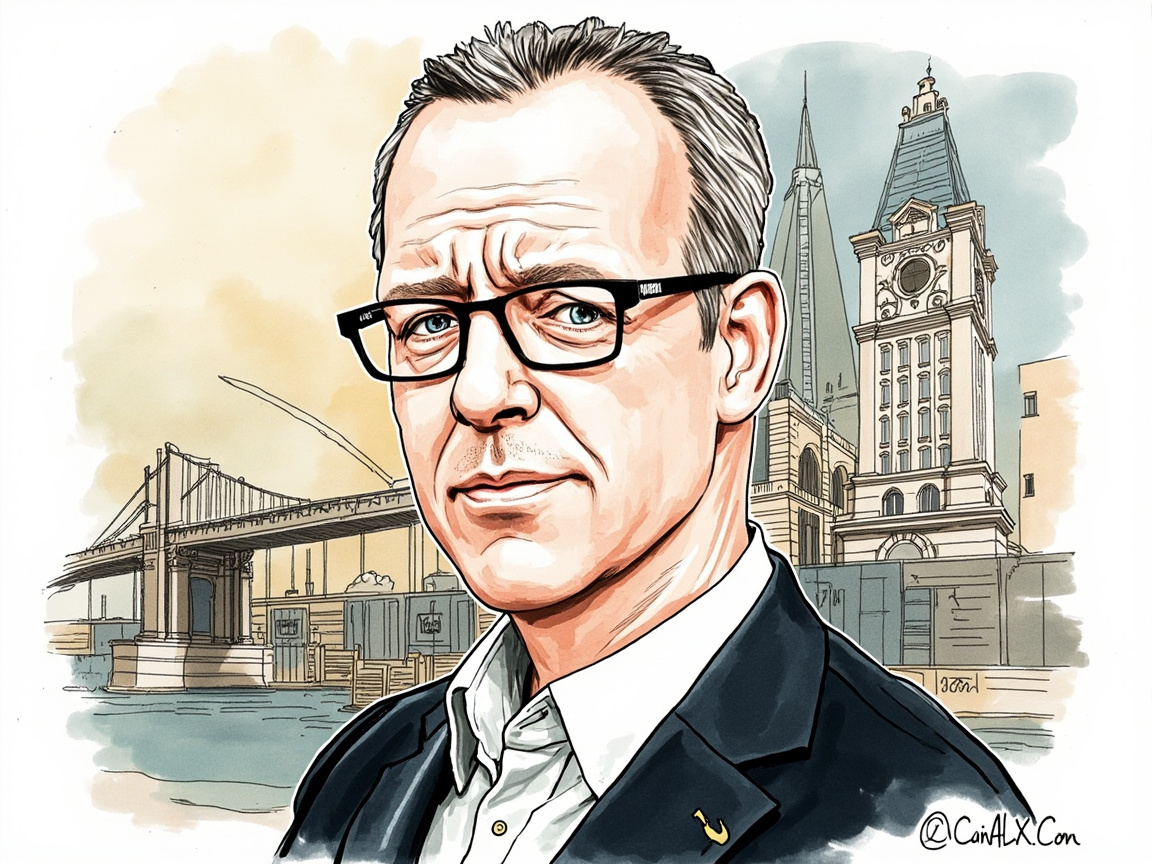
FTX founder Sam Bankman-Fried (SBF) this week withdrew his retrial motion in the Southern District of New York. The letter, handwritten from the Lompoc prison in California, comes nearly a year after he was sentenced to 25 years.
On the surface, it's a procedural withdrawal — SBF says he no longer wants to press the issue before Judge Kaplan. But the real story is this: he admits his parents helped edit the motion draft, while insisting they offered "no substantive input," trying to dodge ghostwriting allegations.
This cuts to the heart of SBF's last shred of dignity. He was once the "crypto prodigy" who strode into court confident, trying to overwhelm everyone with his math genius. Now, even his ability to write a legal document is questioned. He has to admit his parents helped, but dares not admit they led — because if ghostwriting is proven, all his appeal grounds collapse.
## Why Withdraw? Not Giving Up, But Knowing the Judge Won't Let Him Off
SBF explicitly says in the letter that he withdrew because he "cannot receive a fair hearing before you." Translation: Judge Kaplan, I know you hate me, I'm done playing your game.
But this isn't surrender. SBF is still fighting through his appeals lawyer Alexandra Shapiro. He just realizes that any retrial motion before Kaplan is a dead end. Kaplan had already demanded SBF explain whether he sought legal help, even warning him that his answers risked perjury — effectively saying: every word you say could add another charge.
So SBF chose a tactical retreat. He withdraws the motion to avoid further humiliation before Kaplan, while preserving his appeal rights. The problem? His appeal grounds — like "presumed guilty during trial" — were repeatedly rejected by Kaplan in the first instance. Will the appeals court buy them?
## The Parents' Role: Not Ghostwriting, But "Cleanup"
SBF's parents — Stanford law professors Barbara Fried and Joe Bankman — are now caught in the storm. SBF admits they reviewed the draft, offered edits, and even helped print it. But he stresses "no substantive input" and claims he was the final author.
This sounds like a son protecting his parents: don't blame them, I wrote it myself. But the actual effect is the opposite. A former billionaire, once the master of a crypto empire, now needs his parents to print documents — the picture speaks for itself.
More critically, SBF's parents were previously reported to have tried courting Trump's team, seeking lawyers who could influence presidential decisions. Combined with Trump pardoning Changpeng Zhao but explicitly refusing to pardon SBF, that line is dead. What SBF's parents can do now is help their son write letters and print papers, skirting the legal edge.
## What's Next? What Investors Should Watch
SBF's case has entered garbage time. With the retrial motion withdrawn, his only hope is the appeal. But appeals courts rarely overturn a trial judge's verdict, especially one as experienced and sharp-tongued as Kaplan.
For crypto investors, the real significance isn't SBF himself, but the signals:
1. **Regulation won't ease.** Trump pardoned Zhao but explicitly rejected SBF. This shows the White House has boundaries for crypto crime tolerance — Zhao pleaded guilty, SBF didn't, and the outcomes were worlds apart.
2. **FTX victim recovery continues.** SBF's asset liquidation and FTX bankruptcy restructuring are moving forward. Any news about SBF overturning his conviction could affect FTX creditors' expectations.
3. **Don't count on "political pardons."** SBF's parents' failed attempt to work the political angle shows that crypto criminals relying on connections to escape justice is getting harder.
## Epilogue: SBF's Era Is Truly Over
SBF withdrew his retrial motion not because he had an epiphany, but because he calculated: before Kaplan, he can't win.
This man, who once conquered Wall Street and crypto with math and algorithms, now needs his parents to help with a legal document. His story has shifted from "fallen genius" to "ordinary guy in prison."
For crypto, SBF's downfall marks the end of an era. New exchanges are rising from FTX's ashes, but rebuilding trust will take much longer. What investors should watch isn't SBF's legal battles, but the next regulatory moves — because SBF's case has proven: in crypto, the law won't go easy on you just because you're a genius.
DISCLAIMER:
1. All content on this website (including but not limited to articles, data, charts, and analyses) is for general informational purposes only and does not constitute any form of investment advice, trading recommendation, or financial guidance.
2. Cryptocurrencies and digital assets are subject to extreme price volatility and high investment risk; you may lose part or all of your principal. Past performance does not predict future results.
3. The information on this website is based on sources we believe to be reliable, but we do not guarantee its accuracy, completeness, or timeliness. Any investment decisions made based on this website’s information are at your own risk.
4. We strongly recommend that you conduct your own thorough research and consult an independent, licensed financial advisor before making any investment decisions.