Russia Pushes OPEC+ to Act on Strait of Hormuz—But It's Really About Higher Oil Prices
2026-04-23 19:12:07
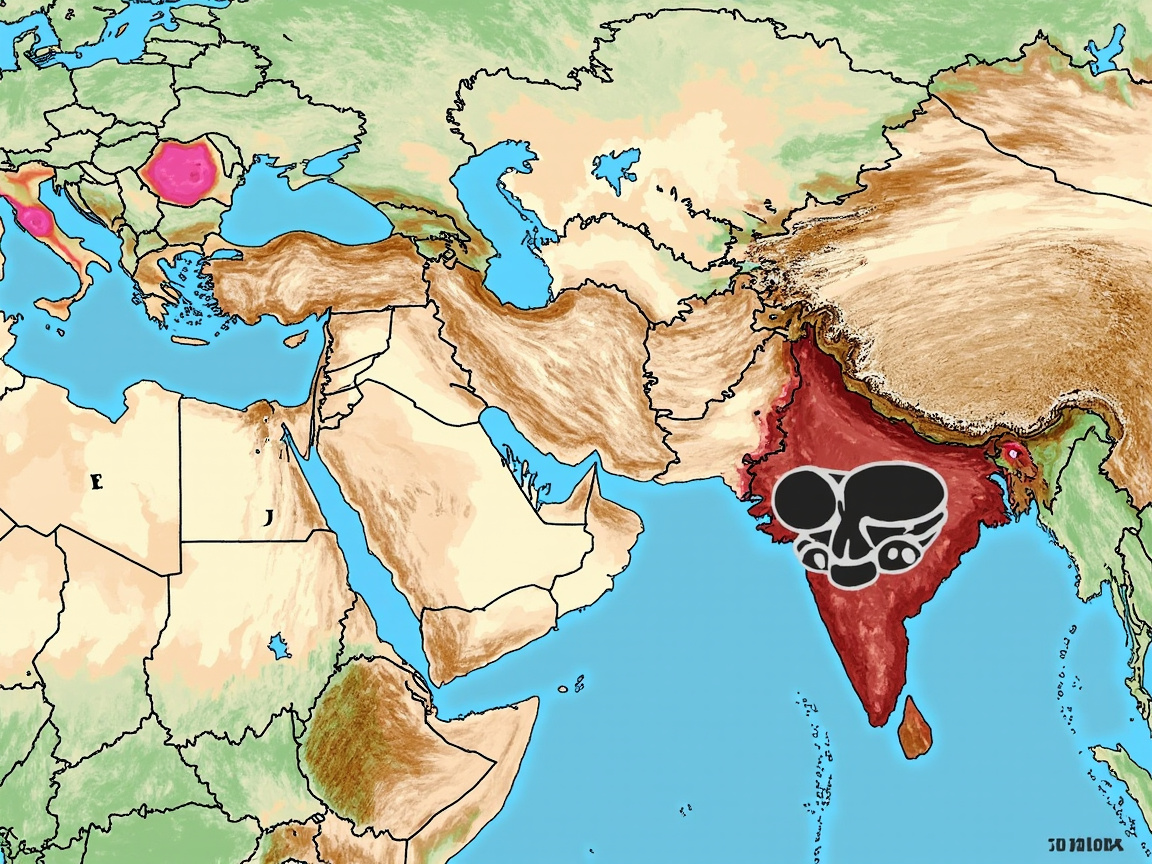
Russia has suddenly called on OPEC+ to take action over the blockade of the Strait of Hormuz. On the surface, it's geopolitical concern. But what matters is this: Russia is urging collective action while continuing to export its own oil steadily. This isn't about supply disruption—it's about using Iran's crisis to force OPEC+ to cut production and raise prices, so Russia can sell its oil at a premium.

## Markets Aren't Buying It—But Prices Are Already Shifting
After the news, WTI crude futures barely moved—the April contract hovered around $160 with less than 1% daily fluctuation. Traders shrugged it off because Russian supply hasn't been disrupted. The real signal is in the June contract: oil has broken above $90, driven not by Russia's rhetoric but by genuine supply shrinkage from prolonged shutdowns.
More alarming is market depth. WTI crude futures have a daily average notional value under $50,000, with actual trading volume as low as $514. At this liquidity level, a real shock could send prices jumping several points in seconds—retail traders won't have time to react.
## Where the Knife Cuts
Russia's move targets OPEC+'s weak spot. The cartel wants to maintain cuts to support prices, but internal fractures are widening. Iran is blocked, exports limited; Russia seizes the moment to demand collective action, forcing Saudi Arabia and others to choose: cut further or lose market share to Russia.
For investors, the key isn't what Russia says—it's how OPEC+ responds. If OPEC+ announces new cuts, oil prices will rocket. If they just pay lip service, Russia's call is noise.
## What's at Stake?
Here's a striking number: if WTI crude actually hits $160 in April, related options could return 125x. But that requires a much more severe supply disruption—like Iran actually closing the Strait, or OPEC+ slashing output significantly. Current market probability is extremely low, but if it happens, the payoff is enormous.
So this isn't about whether to buy now—it's about what signal to act on. Two signals to watch: escalation of Iranian military action in the Strait, or an emergency OPEC+ meeting announcing production cuts.
## Bottom Line: Don't Let Noise Distract You
Russia's call is short-term noise. But beneath it, oil is transitioning from 'liquidity drought' to 'supply crisis.' Investors shouldn't chase moves—they should prepare ammunition and wait for those two signals before pulling the trigger.
DISCLAIMER:
1. All content on this website (including but not limited to articles, data, charts, and analyses) is for general informational purposes only and does not constitute any form of investment advice, trading recommendation, or financial guidance.
2. Cryptocurrencies and digital assets are subject to extreme price volatility and high investment risk; you may lose part or all of your principal. Past performance does not predict future results.
3. The information on this website is based on sources we believe to be reliable, but we do not guarantee its accuracy, completeness, or timeliness. Any investment decisions made based on this website’s information are at your own risk.
4. We strongly recommend that you conduct your own thorough research and consult an independent, licensed financial advisor before making any investment decisions.