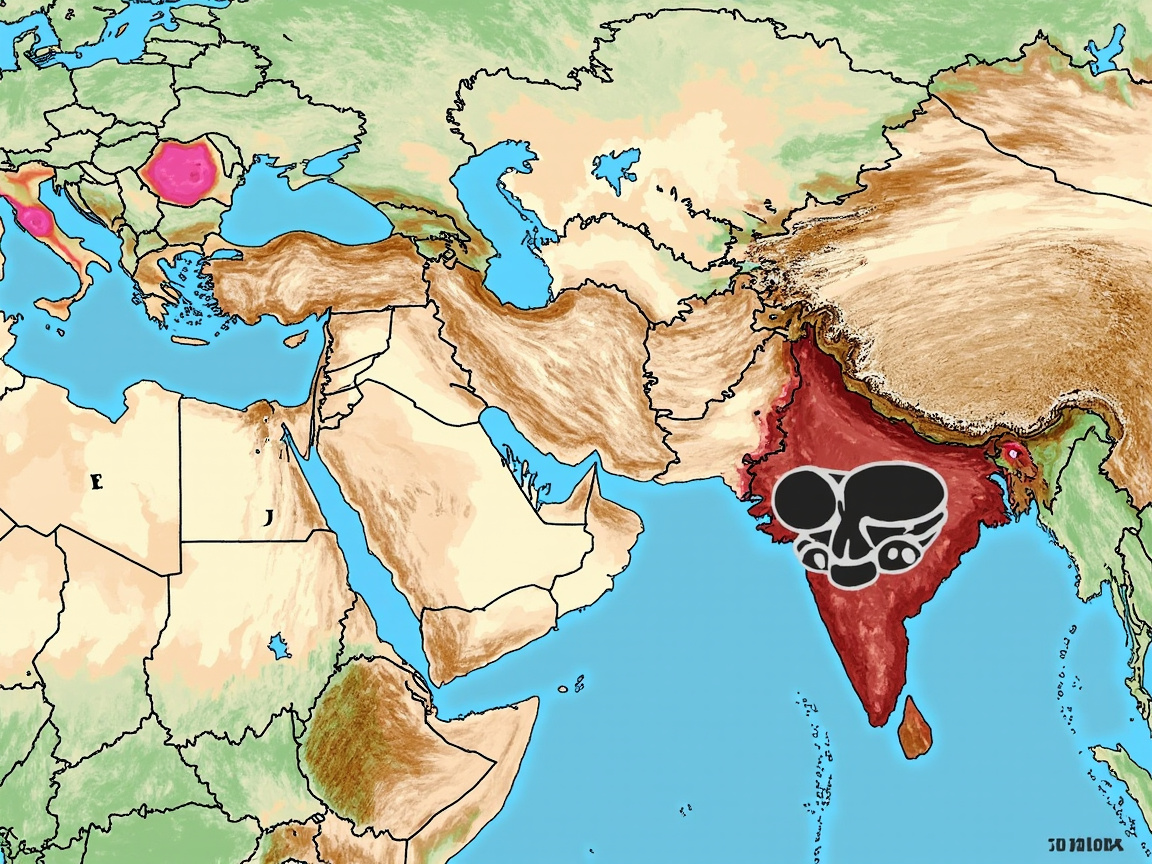
Iran's Toll Collection at Hormuz: The Strait Becomes a Cash Machine, and That's Bigger Tha
2026-04-23 17:00:00
Iran announced that the first toll revenue from the Strait of Hormuz has been deposited into its central bank. On the same day, Iranian armed personnel fired on three transiting merchant ships and seized at least two vessels. Actual traffic through the strait has nearly ground to a halt.
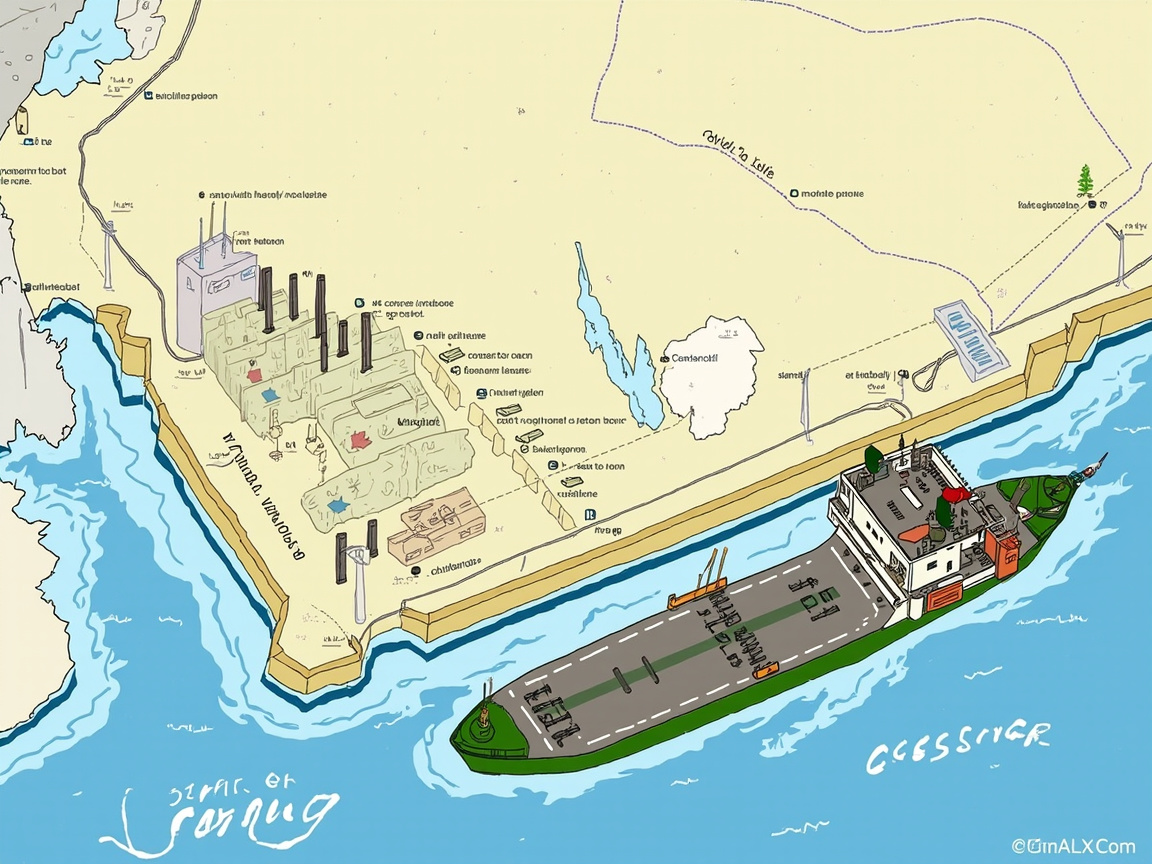
On the surface, this looks like an escalation of US-Iran military tensions. But the real story is that Iran is turning the Strait of Hormuz from a flashpoint into a toll gate. The toll isn't symbolic—it's real money flowing into the central bank.
## Toll Revenue Arrives: This Isn't a Drill
On April 23, Iran's deputy parliament speaker confirmed the first toll payment had been credited to the central bank. The payment traces back to a two-week ceasefire arrangement reached in early April, which reportedly allowed Iran and Oman to charge transit fees, with proceeds earmarked for Iran's post-war reconstruction.
Key detail: the toll is part of a ceasefire deal. That means the US effectively accepted Iran's right to charge for passage at the negotiating table. This isn't unilateral extortion—it's a business model backed by an agreement.
## Gunfire and Seizures: Enforcing the Toll
The same day, Iranian forces opened fire on three merchant ships and boarded and seized the container ship MSC Francesca and the bulk carrier Epaminondas. It's the first time in eight weeks Iran has seized commercial vessels. Epaminondas was seen heading toward Iran's Qeshm Island, while MSC Francesca stopped transmitting its location.
This isn't random violence. It's Iran demonstrating its enforcement capability: "If you don't pay, we take your ship." The shooting is a warning; the seizure is execution. A toll model needs deterrence, and Iran is building that system.
## Strait Status: Nearly Paralyzed
Bloomberg vessel tracking data showed only one bulk carrier observed moving within the waterway early Thursday, with no vessels entering. The tanker Ocean Jewel aborted its transit after the Iranian gunfire and remains stuck at the strait's entrance. Since the US began its blockade of Iran's coast on April 13, American forces have intercepted and diverted 31 vessels, mostly oil tankers.
With Iran charging and seizing on one side and the US intercepting on the other, the strait is effectively double-blockaded. Ship owners face a choice: risk transit and face Iranian tolls or seizure, or get turned back by the US. Either way, transit costs have exploded.
## US-Iran Talks: No Timeline, Only Stalemate
Trump said on April 22 there is "no timeline" for ending the conflict with Iran and denied any deadline for the ceasefire. Iran on April 23 denied holding a second round of talks and called Trump's related statements "lies." Israeli media reported that Trump's previously set ceasefire deadline expires on April 26, but no new talks are scheduled.
What this means: the "toll model" won't disappear soon. As long as negotiations remain deadlocked, Iran will keep collecting fees and the US will keep intercepting. Ship owners will have to reroute or absorb the costs.
## What Investors Should Watch
**First, whether tolls become permanent.** If Iran institutionalizes the fee, the Strait of Hormuz transforms from a free passage to a toll road. That's a structural increase in global shipping costs, not a short-term blip.
**Second, insurance and freight rates.** War risk premiums have already surged, and freight rates are rising. But the bigger question is whether ship owners start permanently rerouting via the Cape of Good Hope. If that becomes the norm, energy trade routes will be reshaped, and Middle Eastern oil will become less competitive.
**Third, US posture.** Trump said "those are not US ships," hinting that America won't escort all commercial vessels. That means non-US ships have weaker security and are more vulnerable to Iranian toll collection.
## The Bottom Line
Iran's toll collection at Hormuz looks like a tactical move in a conflict, but it could permanently change the strait's economic nature. If Iran can sustain its ability to charge, Hormuz stops being just a geographic name and becomes a money-printing machine. Investors should focus not on oil price swings but on whether this "passage fee" model can last.
If the model solidifies, the cost structure of global energy trade will be permanently altered. And that's worth more than any missile.
DISCLAIMER:
1. All content on this website (including but not limited to articles, data, charts, and analyses) is for general informational purposes only and does not constitute any form of investment advice, trading recommendation, or financial guidance.
2. Cryptocurrencies and digital assets are subject to extreme price volatility and high investment risk; you may lose part or all of your principal. Past performance does not predict future results.
3. The information on this website is based on sources we believe to be reliable, but we do not guarantee its accuracy, completeness, or timeliness. Any investment decisions made based on this website’s information are at your own risk.
4. We strongly recommend that you conduct your own thorough research and consult an independent, licensed financial advisor before making any investment decisions.