Fed Rate Cuts Delayed Again: The Real Risk Isn't Timing, It's a Cracking Policy Framework
2026-04-23 16:22:17
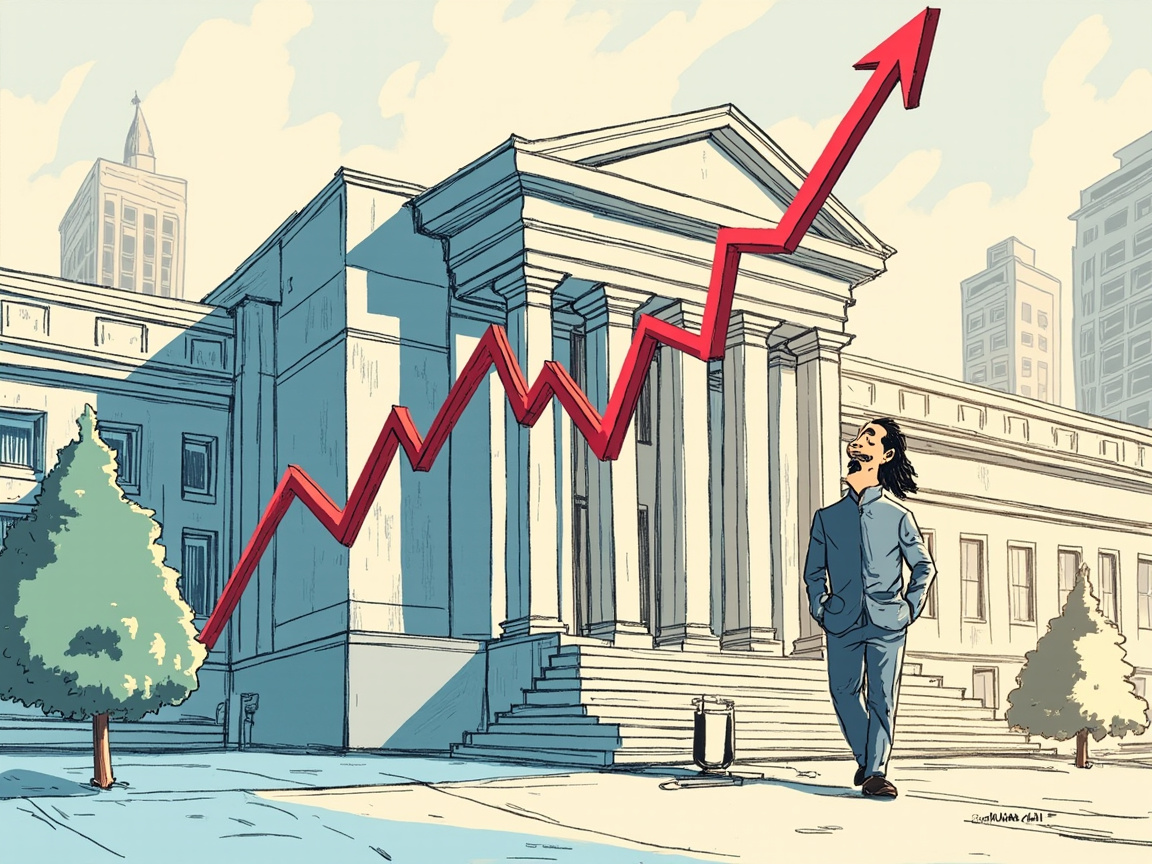
The latest Reuters survey just doused cold water on rate-cut hopes: over half of 103 economists now believe the Fed will wait at least six more months before easing. With Middle East conflicts pushing up energy prices, consumer sentiment at historic lows, and even dovish officials warning of stubborn inflation, the market's timeline keeps slipping. But the real story isn't just another delay—it's the growing fracture between inflation expectations and the Fed's policy framework.
## The Consensus Shifts, But Doesn't Break
The data is blunt: in early March, most bets were on a cut before June; by late March, nearly 70% expected at least one cut by September. Now, that's dropped below 50%. Sentiment has cooled.
Yet 71 economists still project at least one cut this year, aligning with the Fed's median dot-plot forecast. The consensus hasn't shattered—it's just been pushed back. As Morgan Stanley's Gagnon notes, oil prices may lift headline inflation, but core inflation might not follow, leaving a window open.
The crack appears elsewhere: nearly a third of economists now bet on no cuts at all in 2024—double the previous survey. That's where the real divergence begins.
## Inflation Expectations: The Public vs. The Experts
The survey raised inflation forecasts for the second straight time, seeing Q2 PCE at 3.7% before a gradual decline. That sounds manageable, but public expectations are near 5%—a two-percentage-point gap.
Deutsche Bank's Ryan hits the key point: with inflation missing the 2% target for five years, the Fed's nightmare is expectations becoming unanchored. The gap between public sentiment and expert models often signals a market shift. Oil shocks may be temporary, but if expectations solidify, policy will have to adjust.
## Could a New Fed Chair Change the Game?
Trump has publicly stated he believes incoming Fed Chair Warsh will cut rates. Warsh denied making promises in hearings but called for policy framework reforms. This hints at two things: leadership changes might bring stylistic shifts, but no single official can redirect the entire committee.
Vanguard's Sickling puts it bluntly: swapping one official won't alter the monetary policy trajectory. Warsh will need time to build trust on the committee, making near-term action unlikely. But his reform proposals matter—if the underlying logic of inflation targets or policy tools starts shifting, market pricing will have to reset.
## What to Watch Next
1. **Core inflation persistence.** Oil shocks are visible, but core inflation's stickiness is the Fed's real red line. If Q3–Q4 data don't cool, odds of no cuts in 2024 will spike.
2. **Expectations management.** The Fed must bridge the gap between public 5% expectations and its 2% target. Can it keep calling inflation "transitory" credibly? If expectations de-anchor, policy could turn hawkish.
3. **Warsh's actual moves.** Hearing statements are posturing; his first votes and coalition-building within the committee will signal real intent. Details here outweigh public speeches.
## The Bottom Line for Crypto
A six-month delay isn't bad news for crypto—liquidity tightening expectations are already priced in. The real risk is if inflation expectations spiral, forcing the Fed into a prolonged high-rate cycle. That's the true liquidity winter.
Stop guessing cut timing. Watch inflation data and expectation shifts instead. Oil prices will fluctuate; conflicts may ease. But once public perception of prices hardens, policy follows. In six months, the market could face entirely new rules.
Remember: when expert and public expectations diverge, a regime shift is often near.
DISCLAIMER:
1. All content on this website (including but not limited to articles, data, charts, and analyses) is for general informational purposes only and does not constitute any form of investment advice, trading recommendation, or financial guidance.
2. Cryptocurrencies and digital assets are subject to extreme price volatility and high investment risk; you may lose part or all of your principal. Past performance does not predict future results.
3. The information on this website is based on sources we believe to be reliable, but we do not guarantee its accuracy, completeness, or timeliness. Any investment decisions made based on this website’s information are at your own risk.
4. We strongly recommend that you conduct your own thorough research and consult an independent, licensed financial advisor before making any investment decisions.