Oil's $160 Bet: Why Crypto Traders Should Watch This Number as Iran Tensions Rise
2026-04-23 11:35:16
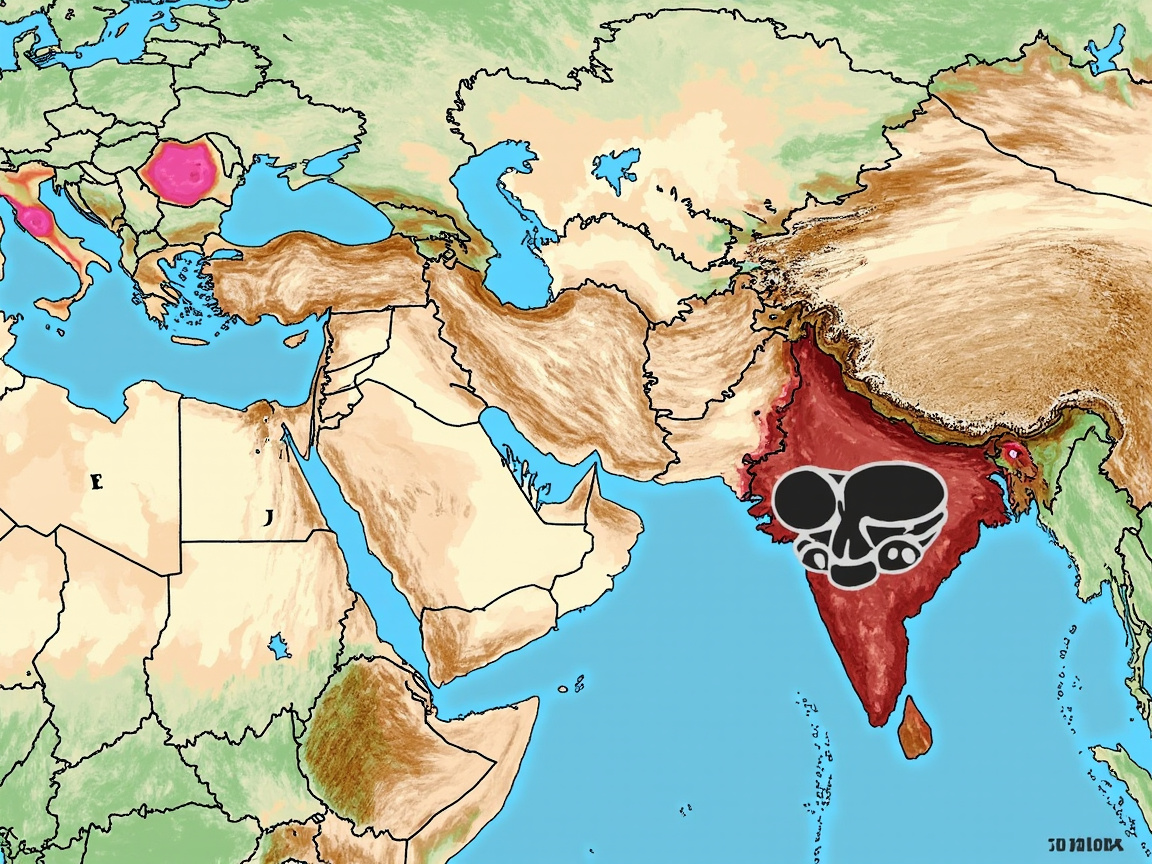
Iran has ramped up activity in the Strait of Hormuz, with U.S.-Iran talks stalled and crude oil back in the spotlight. On the surface, this looks like another round of geopolitical risk driving market volatility. But what crypto traders should really watch is where real money is voting—on Polymarket, the odds for WTI crude hitting $160 by April have *dropped*, not risen.

**Markets Aren't Panicking, But Liquidity Is Talking**
April's market action has been steady, with traders clearly not swept up by fear. USDC's average daily trading volume sits at just $514, volumes remain low, and a $1,955 price volatility threshold exposes how thin market liquidity really is.
Large trades are sensitive here, but without enough buy-side support, execution probabilities have only edged down—far from spiking. The June crude oil contract is even quieter, with 68 days until settlement and capital waiting for substantive developments.
The hard reality: markets aren't afraid of events; they fear prolonged uncertainty.
**What's the $160 Bet Really About?**
Iran's moves could potentially choke the world's busiest oil transit chokepoint. But market predictions are calm: the probability of that happening remains low.
Polymarket's "crude oil at $160 by end-April" contract now shows 0.8% odds, down from 1% yesterday. What does that mean? A successful bet would yield 100x returns.
But such high odds only make sense if the situation escalates rapidly or physical oil flows through the Strait are actually cut off. The market's odds say it doesn't believe we'll get there.
**What Crypto Should Watch: Liquidity Over Headlines**
Geopolitical black swans are always flying, but traders' eyes are on something more tangible: liquidity thresholds and capital flows.
Crude oil volatility often shows up first in derivatives and prediction markets. Odds shifts on Polymarket reflect smart money's real views better than news headlines.
Right now, any OPEC+ statement or shift in U.S.-Iran diplomacy could ignite markets instantly. Another round of Trump's public rhetoric on Iran or increased military deployments in the Persian Gulf would be direct catalysts.
But more critical than catalysts is whether the market responds.
**What's Next? Watch Two Signals**
1. **Watch for odds reversal.** If the $160 bet's odds suddenly jump, it means markets are starting to price extreme risk—that's when real alarms sound.
2. **Watch for volume breakout.** If USDC's average daily trading volume breaks out of its current slump, it signals capital is moving in, and volatility could spread from prediction markets to spot.
For crypto, crude oil turmoil is never just about oil. It shakes global liquidity expectations and affects risk asset sentiment. $160 isn't just a price—it's the market's pricing gauge for black swans.
The gauge hasn't moved yet, but the powder keg is still smoking. Real trading begins when the market stops staying silent.
DISCLAIMER:
1. All content on this website (including but not limited to articles, data, charts, and analyses) is for general informational purposes only and does not constitute any form of investment advice, trading recommendation, or financial guidance.
2. Cryptocurrencies and digital assets are subject to extreme price volatility and high investment risk; you may lose part or all of your principal. Past performance does not predict future results.
3. The information on this website is based on sources we believe to be reliable, but we do not guarantee its accuracy, completeness, or timeliness. Any investment decisions made based on this website’s information are at your own risk.
4. We strongly recommend that you conduct your own thorough research and consult an independent, licensed financial advisor before making any investment decisions.