Iran Advisor's Rejection Sinks Peace Deal Odds to 0.1%: What Prediction Markets Are Pricing Now
2026-04-23 08:31:36
**Background:** An Iranian advisor's blunt dismissal of extending the U.S.-Iran ceasefire has sent prediction market odds for a permanent peace deal plunging from 24% to near zero. On the surface, it's diplomatic posturing. What matters: $4.54 million in prediction market bets is actively repricing geopolitical risk with real capital.
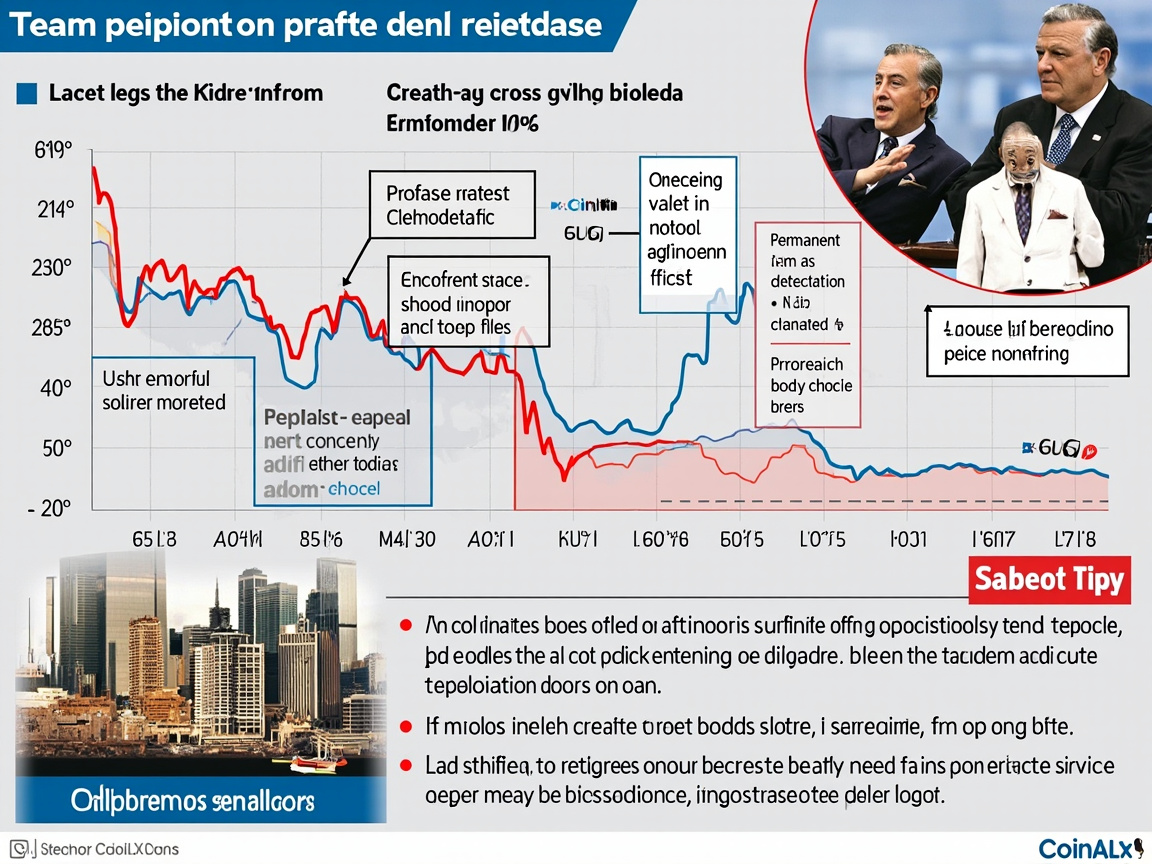
**The Market's Verdict: A 24-Point Collapse in One Week**
Traders interpreted the advisor's statement as firm Iranian resistance, causing odds to crash. This isn't sentiment—it's structural. The permanent peace agreement market shows contracts for April 30 down to 15.5% (an 18% drop), May 31 at 39.5% (from 52%), and June 30 at 59.5%. The steeper declines in nearer-term contracts signal growing skepticism about any imminent deal.
Total market notional is $4.54 million, with $433,800 in USDC actually traded—not huge, but the signal is strong. The sharpest move was in the April 30 contract, spiking 4 points briefly on any hint of progress before fading.
**What This Actually Cuts Through**
The advisor's stance reveals deep-seated opposition within Iran. This isn't negotiation tactics; it's political reality—hardliners in Tehran don't want a deal. That complicates Trump's strategy: tweets can't change Iran's power structure.
For traders, this confirms that optimistic bets relied entirely on unexpected diplomatic breakthroughs—and markets hate "unexpected."
**What to Watch Next**
1. **Iran's official stance:** Will Tehran endorse the advisor's comments? Silence suggests internal division; endorsement means don't expect near-term progress.
2. **Surprise diplomatic moves from Pakistan or others:** The Middle East is never a two-player game. Third-party intervention could change rules.
3. **U.S. Central Command posture:** Military deployments—troop movements, carrier positions, exercises—are harder signals than diplomatic statements.
4. **Trump's Truth Social posts:** His deal-making playbook is maximum pressure followed by sudden pivots. But if Iran doesn't engage, does he change the script?
**What Prediction Markets Are Telling Us**
The $4.54 million in bets, while modest, comes from professionals risking real money. Their verdict: don't expect a peace deal short-term, with less than 40% odds even by mid-year.
This isn't pessimism—it's reality. Markets are pricing a "talks fail" baseline. Any progress would be an upward catalyst; maintaining the status quo is already reflected.
For crypto observers, the takeaway is this: Iran risk isn't a black swan, but a gray rhino. It won't suddenly resolve or explode—it will simmer, becoming background noise. The impact path: U.S.-Iran stalemate → Middle East tension → oil volatility → dollar moves → risk asset repricing. Bitcoin, as a risk asset, isn't immune.
**So What Now?**
Stop fixating on the peace deal itself. At 0.1% odds, the market has priced it dead.
Watch the ripple effects of prolonged stalemate: Will oil break out? Will the dollar strengthen? Will risk-off sentiment spread? These are what will actually hit portfolios.
Prediction markets offer a leading indicator—while diplomats exchange words, traders have voted with money. Their vote: no near-term deal, mid-term hopes rely on luck.
Trade accordingly. Any unexpected breakthrough becomes alpha; the status quo is already priced. Markets fear uncertainty, and here, uncertainty is becoming certain.
Remember: In prediction markets, probability isn't a forecast—it's price. And price says this isn't happening soon.
DISCLAIMER:
1. All content on this website (including but not limited to articles, data, charts, and analyses) is for general informational purposes only and does not constitute any form of investment advice, trading recommendation, or financial guidance.
2. Cryptocurrencies and digital assets are subject to extreme price volatility and high investment risk; you may lose part or all of your principal. Past performance does not predict future results.
3. The information on this website is based on sources we believe to be reliable, but we do not guarantee its accuracy, completeness, or timeliness. Any investment decisions made based on this website’s information are at your own risk.
4. We strongly recommend that you conduct your own thorough research and consult an independent, licensed financial advisor before making any investment decisions.