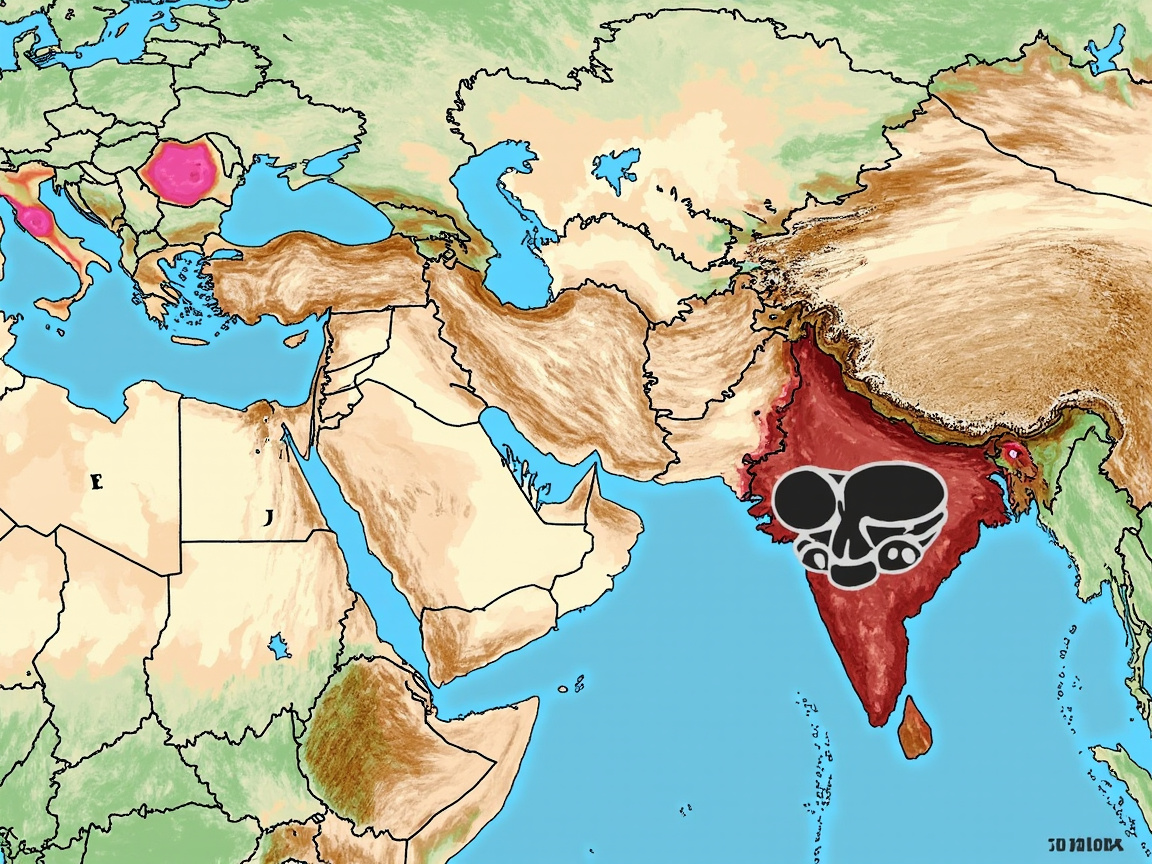
Iran Ceasefire Odds Plunge to 15.5% as Naval Blockade Becomes Deal-Breaker
2026-04-23 01:15:27
**Iran's chief negotiator just made it clear: no comprehensive ceasefire while the naval blockade and economic hostilities continue.** On the surface, this looks like standard diplomatic positioning. What matters is how markets reacted—the probability of a deal within nine days plummeted from 32% to 15.5%. That's lower than a coin flip.
### Markets Have Already Voted
When negotiator Kalibaf spoke, ceasefire odds didn't just dip—they halved. Traders aren't buying diplomatic progress; they're betting on further escalation.
USDC daily volume sits at $68,607, meaning just $4,074 in price movement can trigger a 5-point swing. The market is wired tight. Recent 5-point spikes are knee-jerk reactions to headlines, not sustained trends.
### Where This Hits Hard
Kalibaf tied ceasefire directly to lifting the naval blockade. Iran shows zero signs of backing down—the recent seizure of two vessels in the Strait of Hormuz proves diplomatic channels are failing.
Buying 'YES' contracts at 16 cents for a $1 payout offers 6.3x returns. But that requires believing in a diplomatic breakthrough within nine days. Right now, that's a lottery ticket.
### What Bitcoin Investors Should Watch
Geopolitical risk doesn't happen in a vacuum. Tension in Iran threatens the Strait of Hormuz—a critical global energy chokepoint. Any disruption spikes energy prices, which feeds into inflation expectations and forces the Fed to recalibrate. That chain reaction eventually lands in Bitcoin's price.
With thin liquidity, any development gets amplified. Watch three triggers:
1. Mediator moves from Oman or Qatar
2. Conciliatory statements from Trump or Iranian leadership
3. Changes in U.S. naval posture near Hormuz
Any shift could spark violent market moves.
### How This Likely Plays Out
15.5% odds mean markets have essentially written off a diplomatic solution. More probable: the blockade continues, ship seizures increase, and tensions spiral.
The key signal is U.S. naval deployment near Hormuz. More ships mean preparation for confrontation; fewer might signal room for talks. Currently, reinforcement looks more likely than withdrawal.
### Reality Check: Don't Chase Noise
Five-point spikes are noise, not signal. Focus on the transmission path: Iran tension → energy prices → inflation expectations → monetary policy → risk asset repricing.
Bitcoin traders shouldn't fixate on ceasefire talks. Watch ship traffic through Hormuz instead. As long as the blockade holds, tension remains high—and markets stay vulnerable to headline shocks.
In illiquid conditions, events get magnified. This isn't the time for directional bets; it's time for position management. Geopolitics moves the pieces, but markets absorb the impact.
Remember: 15.5% means don't get your hopes up.
DISCLAIMER:
1. All content on this website (including but not limited to articles, data, charts, and analyses) is for general informational purposes only and does not constitute any form of investment advice, trading recommendation, or financial guidance.
2. Cryptocurrencies and digital assets are subject to extreme price volatility and high investment risk; you may lose part or all of your principal. Past performance does not predict future results.
3. The information on this website is based on sources we believe to be reliable, but we do not guarantee its accuracy, completeness, or timeliness. Any investment decisions made based on this website’s information are at your own risk.
4. We strongly recommend that you conduct your own thorough research and consult an independent, licensed financial advisor before making any investment decisions.