The V-Shaped Market Rebound Is Built on Shaky Ground—Here's What Comes Next
2026-04-22 10:40:37
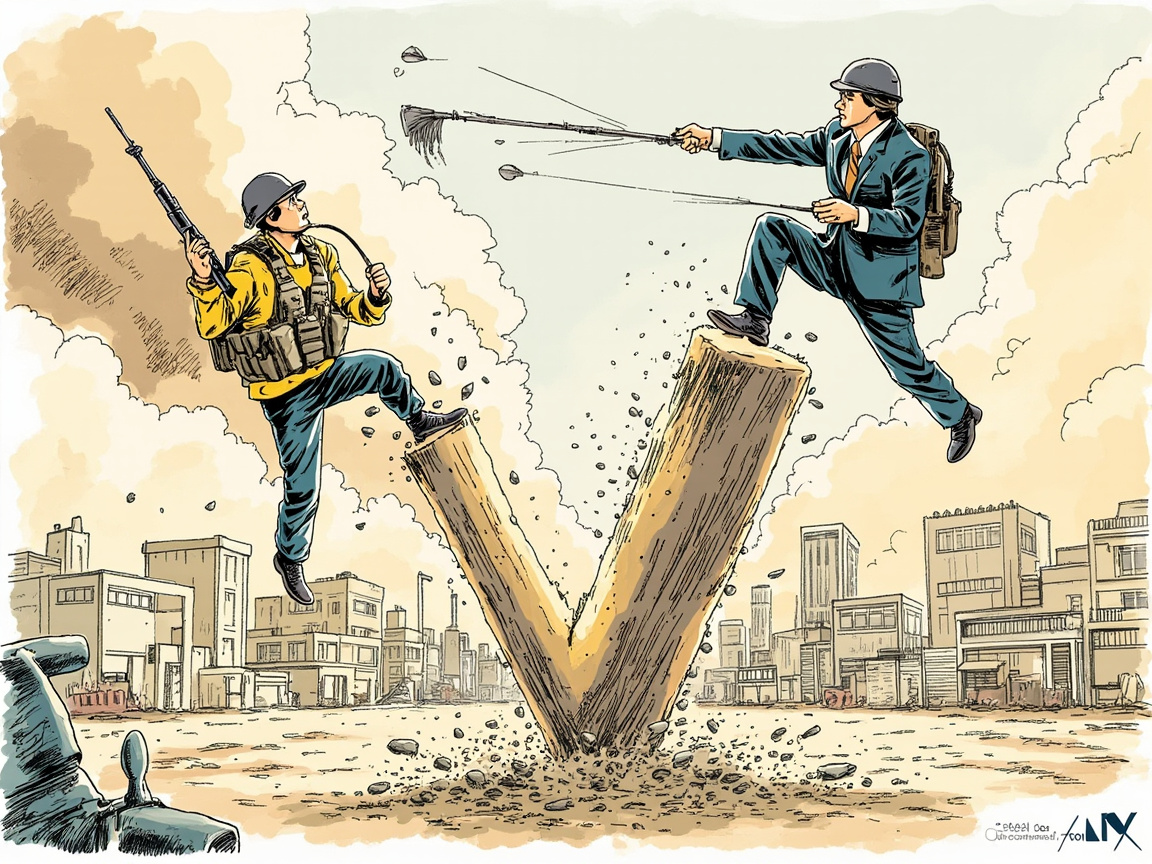
Over the past two weeks, global markets pulled off a textbook V-shaped reversal. Oil and gas prices spiked on Middle East conflict fears, then plunged as tensions eased—while U.S. tech stocks led equities back to new highs. On the surface, it looks like a clean risk‑off/risk‑on cycle. But Goldman Sachs cuts through the noise: **this rebound has moved too fast, pricing in optimism that hasn’t yet arrived.**
## The Rally’s Hidden Weaknesses
Tech led the charge, and major indices have recovered all their losses. Asia and emerging markets still lead year‑to‑date. Yet three cracks show this isn’t a healthy, broad‑based recovery:
**1. Bonds aren’t buying it.** European bond markets lagged badly, signaling that rate‑sensitivity fears haven’t faded. The tight correlation between energy prices and bond moves points to lingering macro stress.
**2. Positioning is split.** Hedge‑fund net leverage recovered much slower than the market—big players aren’t fully back. Meanwhile, options markets flipped from panic puts to bullish calls almost overnight. That kind of whiplash usually means sentiment, not fundamentals, is driving the bus.
**3. Valuations never really reset.** Goldman’s Risk Appetite Indicator didn’t even reach deeply negative territory. The market’s shallow pullback failed to wash out excess valuation, and now prices have rebounded right back to expensive levels.
Bottom line: this was a sentiment‑driven bounce and systematic re‑balancing, not a fundamental turnaround.
## Goldman’s Three Red Flags: The Odds Still Aren’t in Your Favor
Goldman’s equity‑asymmetry framework shows none of the three conditions for a durable upswing are present:
- **Valuations and positioning haven’t reset enough**—the dip was too shallow.
- **Macro momentum hasn’t improved**—Goldman economists recently downgraded global GDP forecasts, raised inflation expectations, and see less room for central‑bank easing. Data hasn’t turned, yet markets have rallied.
- **Geopolitical tail risks aren’t gone**—while oil‑option markets show extreme‑spike risks have receded, the underlying conflict remains unresolved.
Crucially, **asset prices have outpaced reality.** Goldman notes that global growth‑factor performance has recovered faster than actual economic‑data surprises. With macro‑surprise indices outside Europe likely to weaken soon, any disappointment in incoming data could trigger a pullback.
## Q1 Earnings: The Real Litmus Test
The next critical checkpoint is Q1 earnings season. Goldman’s U.S. equity team points out that S&P 500 profit growth is being carried almost entirely by tech and AI‑related capex. The question is: **how much will elevated energy costs and supply‑chain disruptions eat into margins outside the tech sector?**
Europe faces even sharper exposure, with many firms heavily reliant on Asian and emerging‑market sales that were disrupted during the Red Sea shipping chaos.
Earnings season will deliver more divergent growth numbers and trigger sharper sector rotation. As long as the U.S. avoids recession—the yield curve is only slightly flattened, and recession isn’t the base case yet—a full‑blown “risk‑off” shift seems unlikely.
**So watch profit‑margin data and industry dispersion, not just headline indices.** Q1 will show who’s actually swimming naked.
## Volatility Is Down—Time to Hedge Smart
With implied volatility compressing as war risks fade, tail‑risk hedging has become more affordable. Goldman outlines two scenarios:
- **If we get stagflation‑lite** (weak growth, sticky rates), consider credit‑market hedges and European equity put options. While U.S. and Chinese stocks may still lean on tech, cyclical FX pairs like AUD/JPY and NZD/JPY offer attractive put‑option plays.
- **If the conflict truly de‑escalates**, go for a “reverse‑gold” combo: carry trades + rate‑receiver strategies, plus S&P 500 calls and European rate‑receiver positions. Credit spreads never really widened during the turmoil, limiting upside there—equities offer more bounce.
## The Takeaway: This Isn’t a New Bull Market
The V‑shaped rebound feels good, but it’s structurally weak. Markets have front‑run optimism that macro data, corporate earnings, and geopolitics haven’t yet validated.
For crypto investors, this “fake‑out” rally in traditional markets warrants caution—a rough earnings season could spill risk‑off sentiment into digital assets. Conversely, if capital can’t find attractive returns in equities, some may flow faster into crypto.
**Your next moves: watch Q1 earnings closely, especially margin trends outside tech; and use this volatility‑compression window to layer in smart hedges.** The market won’t stay this forgiving forever. Once earnings deliver the verdict, it’s time to play your hand.
DISCLAIMER:
1. All content on this website (including but not limited to articles, data, charts, and analyses) is for general informational purposes only and does not constitute any form of investment advice, trading recommendation, or financial guidance.
2. Cryptocurrencies and digital assets are subject to extreme price volatility and high investment risk; you may lose part or all of your principal. Past performance does not predict future results.
3. The information on this website is based on sources we believe to be reliable, but we do not guarantee its accuracy, completeness, or timeliness. Any investment decisions made based on this website’s information are at your own risk.
4. We strongly recommend that you conduct your own thorough research and consult an independent, licensed financial advisor before making any investment decisions.