Strait of Hormuz Closure: Oil's March Toward $90 and What Crypto Traders Must Watch
2026-04-22 03:03:52
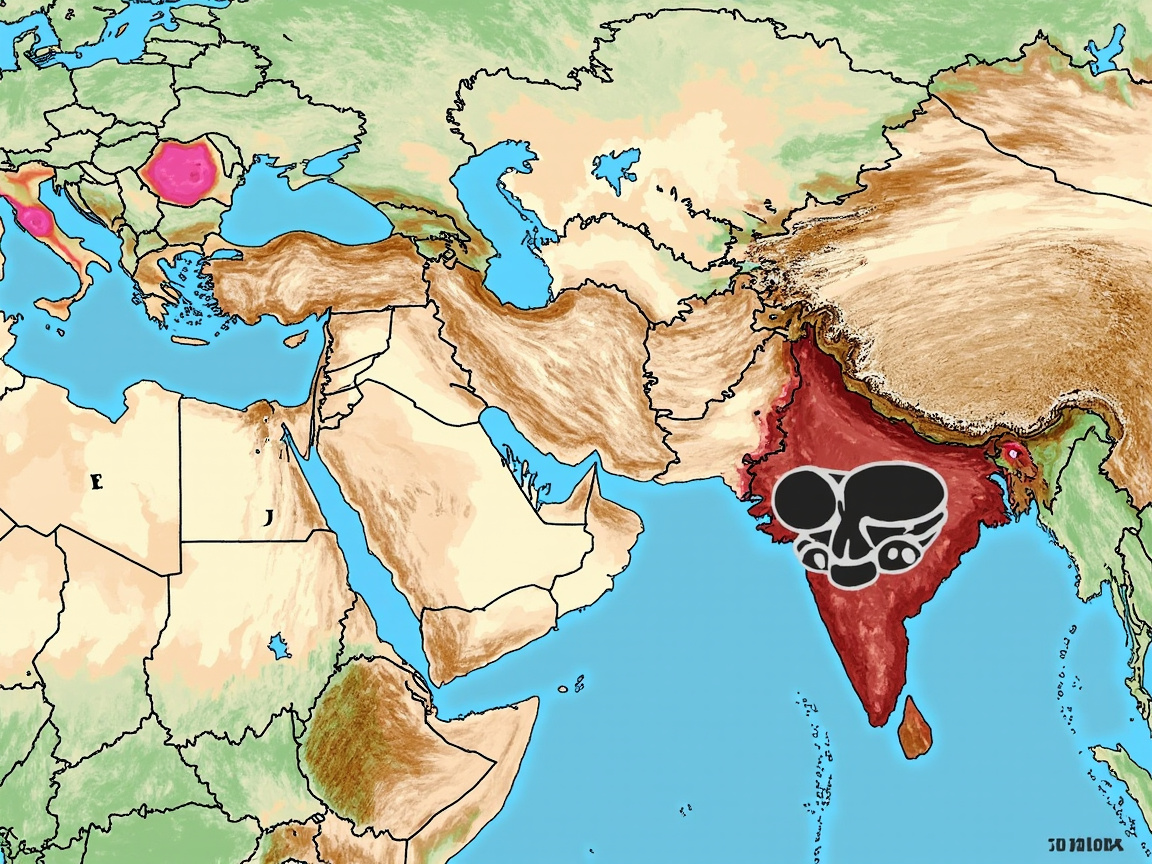
Oil markets are flashing red again. The Strait of Hormuz—a critical chokepoint for global crude—has shut down, squeezing Asian fuel supplies while Europe, for now, dodges the bullet. Traders are already pricing in a potential surge: **$90 per barrel by June 2026**.

On the surface, this is a geopolitical supply shock. But look deeper: **oil is the hidden lever poised to wrench open the floodgates of global liquidity**.
### Why This Hits at the Heart of Global Liquidity
Oil isn't just a commodity—it's the engine of global inflation and a bellwether for central bank policy. With the Strait closed, Asia takes the first hit. DHL has cast doubt on aviation fuel supplies to the region, and supply chain ruptures mean instant cost pass-through. Traders are now eyeing that **$90 benchmark** for June 2026 futures.
There are **71 days until the end of June**. In that window, any escalation could turn this forecast into reality.
Markets are thin right now, which is precisely what makes them dangerous. Low liquidity acts like dry tinder—a single spark can ignite a blaze. Even small trades can trigger wild swings as everyone watches for OPEC's next move and whether the Iran-Israel conflict spreads.
### Europe's 'Temporary Safety' Is an Illusion
The International Energy Agency has warned: if the blockade persists, Europe won't be spared. Today's respite offers false comfort. Energy markets are globally linked—shortages in Asia will inevitably ripple westward, and not linearly, but exponentially. One node fails, and the whole system shudders.
If oil truly hits $90, what happens to inflation data? Could it **derail the Fed's rate-cut expectations**? That's the question crypto traders should be asking.
### What Crypto Should Watch: Not Oil Prices, but Their Ripple Effects
Don't just stare at crude charts. Focus on three dominoes:
**1. Will the Fed turn hawkish again?**
Higher oil prices lift inflation expectations, which could make the Fed think twice about cutting rates. Markets are still dreaming of three cuts this year—that fantasy could vanish overnight if oil keeps climbing.
**2. Will global risk appetite shift?**
Expensive oil means higher costs, squeezing corporate profits. As earnings shrink, equities come under pressure. Where does the money flow then—into safe havens or alternative assets?
**3. Will a second geopolitical black swan emerge?**
The Strait of Hormuz is just the first domino. If the Iran-Israel conflict escalates and draws in other Middle Eastern producers, all bets are off.
### Two Paths, One Outcome
**Path A:** The blockade lifts quickly, oil retreats, and markets breathe a sigh of relief. But geopolitical scars remain—next time, the reaction will be even fiercer.
**Path B:** The blockade holds, supply gaps widen, and oil climbs steadily toward $90. This is the more likely scenario. If oil stabilizes above $90, central banks worldwide will have to rewrite their policy playbooks.
Either way, the result is the same: **macro uncertainty rises, and market volatility spikes**.
For Bitcoin, this isn't necessarily bad. In high-volatility environments, Bitcoin's dual nature—as a hedge and a speculative asset—could awaken. But you have to survive long enough to see the plot twist.
### What to Do Now: Manage Your Position, Not Your Predictions
This isn't the time to bet on direction. It's time to **check your exposure**.
An oil-driven liquidity squeeze could arrive faster and harder than many expect. If you're over-leveraged or cash-strapped, the first shockwave could wipe you out.
Stay liquid, stay nimble. In this crisis, **survival comes before gains**.
Remember: when oil sneezes, the whole asset world catches a cold. Whether Bitcoin becomes the antidote depends on proving itself—not as a speculative toy, but as a genuine store of value.
The test is just beginning.
DISCLAIMER:
1. All content on this website (including but not limited to articles, data, charts, and analyses) is for general informational purposes only and does not constitute any form of investment advice, trading recommendation, or financial guidance.
2. Cryptocurrencies and digital assets are subject to extreme price volatility and high investment risk; you may lose part or all of your principal. Past performance does not predict future results.
3. The information on this website is based on sources we believe to be reliable, but we do not guarantee its accuracy, completeness, or timeliness. Any investment decisions made based on this website’s information are at your own risk.
4. We strongly recommend that you conduct your own thorough research and consult an independent, licensed financial advisor before making any investment decisions.