Iran's Strait of Hormuz Blockade: Forget $160 Oil, the Real Crisis Is Liquidity Evaporation
2026-04-22 02:31:44
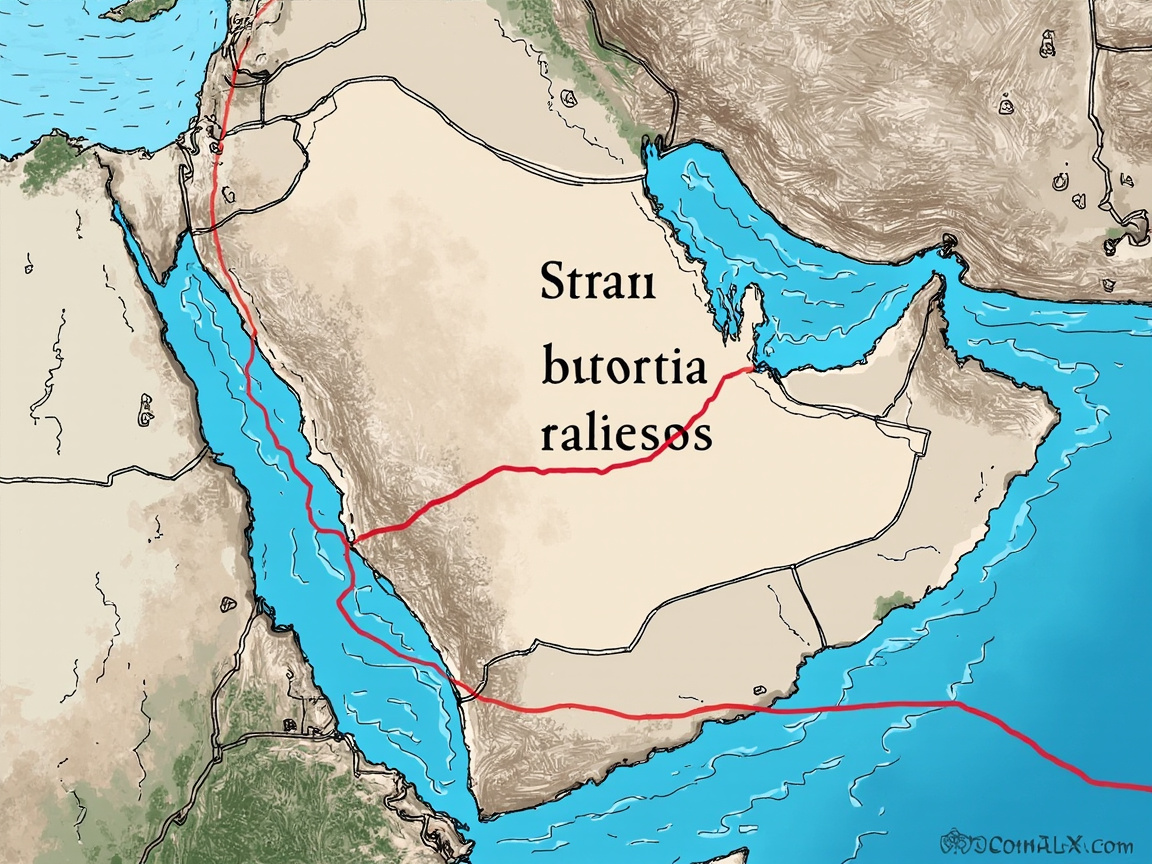
Iran just shut down the Strait of Hormuz. Simultaneously, Houthi rebels are threatening the Bab el-Mandeb Strait. Two of the world’s most critical oil chokepoints are now in play, and WTI crude for April delivery briefly spiked to $160 a barrel.
But here’s what actually matters: **the market’s liquidity has evaporated.** That $160 price tag is a phantom—a symptom of a broken market, not a genuine supply shock.
### $160 Oil Is a Mirage
Yes, $160 oil sounds dramatic. But look under the hood: USDC daily trading volume sits at a laughable $316.
**What that means:**
- Almost no one is actually trading
- Just $2,188 can move prices by 5%
- Liquidity is so thin that the market is brittle—volatility is extreme, but it’s hollow
This isn’t normal price action. It’s a market that has lost its ability to price assets. A $160 print without buyers is just a number on a screen.
### The Peace Deal Countdown: Traders Have Already Voted ‘No’
The U.S.-Iran permanent peace deal expires April 22. The probability of a deal has collapsed from 16% to 5.9%.
Traders are voting with their capital: they don’t believe a deal gets done.
That 4% price spike at 4:27 PM? That’s the market convulsing as the deadline approaches—panic without purpose. This isn’t rational pricing; it’s gamblers making last-ditch bets.
**The takeaway:** If the market actually believed diplomacy would work, we wouldn’t see this kind of violent chop. The wild swings mean traders have zero conviction and are purely trading emotion.
### The 83x Return Trap
Here’s the pitch: if WTI hits $160 by month-end, YES stock could deliver $1 per share—an 83x return.
Sounds tempting, right?
The trap is in the premise: **“if oil surges well above current prices.”**
The problem isn’t whether oil *can* rally—it’s whether the market has the liquidity to support that move. In a dried-up market, any sizable trade can trigger a crash. That 83x fantasy assumes a functioning market. We don’t have one.
### What to Watch Next: Two Signals That Matter
1. **Trump and Iranian Leadership Rhetoric**
Any fiery comments will move markets. But watch *how* the market reacts. If minor headlines cause violent swings, liquidity is getting worse, not better.
2. **Actual Military Developments in the Straits**
Will Houthi threats turn into action? How long will Iran’s blockade last? These are the real catalysts. Remember: in an illiquid market, real news and fake news can have the same destructive impact.
### Bottom Line: This Isn’t an Opportunity—It’s a Minefield
On the surface, geopolitical tension pushing oil higher looks like a long opportunity.
Beneath the surface, the market is dangerously illiquid. $160 oil lacks real transactional support. The collapsed peace deal odds show zero faith in diplomacy. The 83x return math is built on a fragile assumption.
**Where does this leave us?**
The market’s pricing mechanism has broken down. When liquidity vanishes, all prices are fictional and all moves are emotional.
**So what should you do?**
Don’t get excited about $160 oil. Watch for USDC volume to recover and for market sentiment to shift from panic to rational pricing. Until then, this isn’t a trade—it’s a minefield. Stepping in is easy; getting out alive is the hard part.
One final note: in markets like this, survival beats speculation. When liquidity dries up, the first to blow up are usually the ones betting the biggest.
DISCLAIMER:
1. All content on this website (including but not limited to articles, data, charts, and analyses) is for general informational purposes only and does not constitute any form of investment advice, trading recommendation, or financial guidance.
2. Cryptocurrencies and digital assets are subject to extreme price volatility and high investment risk; you may lose part or all of your principal. Past performance does not predict future results.
3. The information on this website is based on sources we believe to be reliable, but we do not guarantee its accuracy, completeness, or timeliness. Any investment decisions made based on this website’s information are at your own risk.
4. We strongly recommend that you conduct your own thorough research and consult an independent, licensed financial advisor before making any investment decisions.