U.S.-Iran Sanctions Escalate: Bitcoin Traders Should Watch Geopolitical Black Swans, Not Oil Prices
2026-04-22 02:12:32
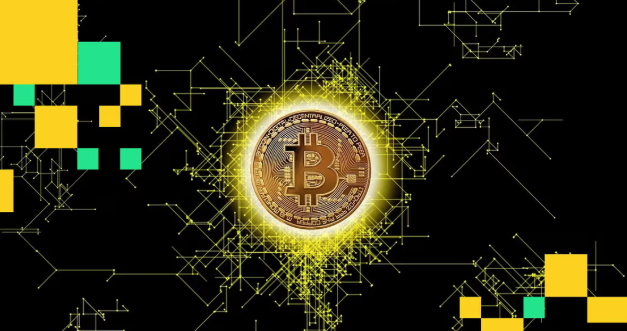
The U.S. Treasury just announced fresh sanctions targeting Iran's oil industry and shadow fleet, with diplomatic talks unlikely before June 30. On the surface, this looks like another round of traditional geopolitical sparring. But for Bitcoin traders, the real risk lies in the potential "black swan pulse" that could erupt from this high-pressure standoff—it won't directly hit oil prices, but could instantly reroute global safe-haven capital flows.

## The Market Is Already Signaling: No One Believes in a Short-Term Deal
Prediction market data after the sanctions news is chillingly clear.
- The "market daily volume" for a U.S.-Iran meeting by June 30 is just $886, with a 5-point move costing $457—meaning even moderately sized capital could smash or spike prices in this paper-thin market.
- The largest recorded swing is a mere 1 point. Traders are voting with their feet: they simply don't believe both sides will sit down.
Even more telling is the "diplomatic talks success" contract: a "yes" share priced at 3.4 cents would pay $1 if talks happen—a 29.4x return. With those odds, no one's biting, implying the market sees breakthrough odds below 3.4%.
This isn't pessimism; it's reality.
## Iran's "Strategic Ambiguity" Is the Real Danger Signal
Iran privately hinted at reopening the Strait of Hormuz, then publicly denied it. This strategic waffling, combined with U.S. sanctions, shows both sides playing chicken—whoever blinks first loses.
But Bitcoin traders shouldn't care about winners or losers. They should watch for when this game goes off the rails.
If either side miscalculates or a peripheral event spirals (e.g., a tanker attack, military skirmish), markets could leap from "cautious watch" to "risk-off mode" in seconds. Gold, dollars, and treasuries would move first, but remember: Bitcoin has increasingly acted as a hedge during recent geopolitical crises—especially when traditional channels are constrained.
## What Should Investors Watch? Triggers for "Surprise"
Don't waste energy guessing if Trump will lift sanctions by April 30; history offers no odds. Instead, monitor these concrete signals:
1. **Sudden statements from the White House or Iranian leadership**—especially unplanned, hawkish remarks, which often signal escalation.
2. **Changes in U.S. Central Command posture**—military movements, drills, or heightened alert levels in the Middle East are tangible indicators.
3. **Announcements of formal diplomatic contact**—if "both sides agree to talks" emerges, markets will rally first, doubt second, amplifying volatility.
If any trigger hits, Bitcoin's reaction could be sharper than traditional assets. Crypto's liquidity structure differs; large inflows or outflows can create pulse-like moves—fast rallies, faster sell-offs.
## Where Does This Cut Deepest? In the "Expectation Gap"
Current market consensus expects "deadlock continues," so prices don't price in sudden risk. But if deadlock breaks, the expectation gap widens.
- If talks actually happen (even with low odds), that 29.4x contract would zero out, but macro sentiment could shift to "risk-on," with capital rotating from safe havens to risk assets—where Bitcoin lands depends on the prevailing narrative.
- If conflict erupts (even a minor clash), safe-haven demand could surge. If Bitcoin is framed as "digital gold," short-term buying pressure follows; if seen as a risk asset, it drops with stocks.
The key isn't guessing direction—it's anticipating possibilities.
## So What Now? Stay Alert, But Don't Act Recklessly
Bitcoin holders don't need to rebalance urgently, but should add "U.S.-Iran risk" to their watchlist.
- If you're heavily positioned, ask: if you wake up tomorrow to "U.S. military downs Iranian drone" headlines, can your portfolio withstand a sudden 10% swing?
- If you're lightly positioned, wait and watch—if a black swan hits, panic-driven sell-offs could create buying opportunities.
Geopolitics isn't Bitcoin's fundamental driver, but it's a catalyst for capital flows. This sanctions game involves oil, but it rattles global money nerves. Bitcoin traders should watch where capital runs, not where tankers sail.
Final reminder: the biggest risk isn't what you know—it's what you think "can't happen" suddenly happening. The U.S.-Iran fire hasn't hit oil yet, but sparks are already flying.
DISCLAIMER:
1. All content on this website (including but not limited to articles, data, charts, and analyses) is for general informational purposes only and does not constitute any form of investment advice, trading recommendation, or financial guidance.
2. Cryptocurrencies and digital assets are subject to extreme price volatility and high investment risk; you may lose part or all of your principal. Past performance does not predict future results.
3. The information on this website is based on sources we believe to be reliable, but we do not guarantee its accuracy, completeness, or timeliness. Any investment decisions made based on this website’s information are at your own risk.
4. We strongly recommend that you conduct your own thorough research and consult an independent, licensed financial advisor before making any investment decisions.