City Holder's Daily Grind: How 7.5M Game Coins Expose P2E's User Retention Crisis
2026-04-22 00:25:32
**The Daily Grind Isn't a Bonus—It's a Leaky Bucket Fix**
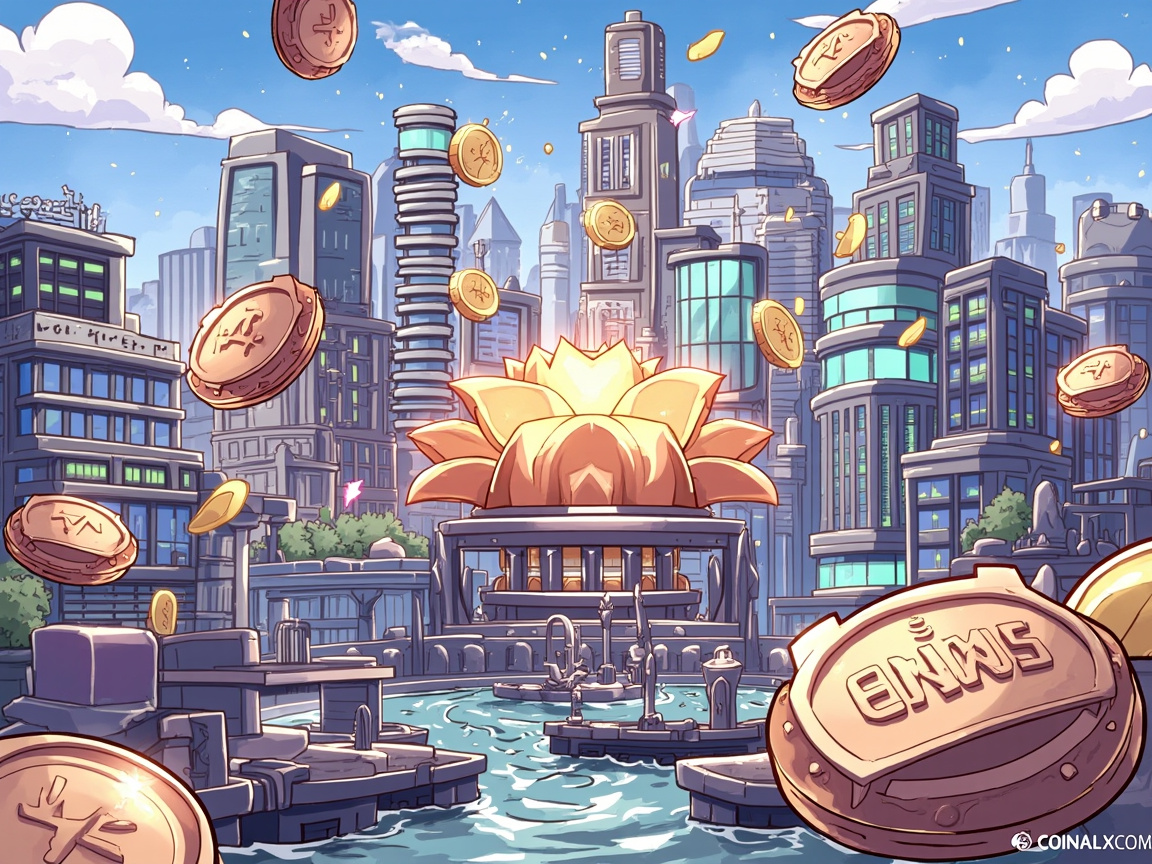
Another day, another crypto project. But few make users log in daily. City Holder's 'Daily Combo & Q&A' is one—offering up to 7.5 million in-game coins for upgrading buildings and answering questions in a specific order. Search traffic for these tasks is spiking, with players scrambling for codes and screenshots before the daily reset.
On the surface, it's another Play-to-Earn (P2E) 'reward.' Look closer, and you'll see the real story: these tasks have become standard because projects are using daily rewards as a crude tool to lock in users and fight inevitable churn. The core gameplay—city building and management—is secondary. Players log in for the scripted routine, not the game.
**Surging Searches Signal Player Anxiety, Not Engagement**
The frantic search for daily answers exposes the central tension in P2E: users are here to earn, not to play. When the reward mechanism falters, users vanish. Daily tasks create artificial scarcity with short windows and changing answers—a mechanical fight against human forgetfulness. But this reveals fragility. If rewards shrink or rules complicate, engagement will plummet. Loyalty built on daily coins has shallow roots.
**7.5M Coins Buy User Time, Not Loyalty**
That 7.5M coin top prize sounds impressive. But ask: what can you do with it? Can it be swapped for tokens, cashed out, or traded? If not, it's just a number—a unit for measuring user attention bought cheaply. P2E games excel at this: using game coins as a buffer to give the 'earning' sensation without immediate cash liability. City Holder is still in this early, user-accumulation phase. Players should remember: game coins are not assets.
**What to Watch Next: Three Critical Signals**
This daily task model will evolve. Don't just hunt for tomorrow's answers; watch for these shifts:
1. **Game Coin Convertibility:** If City Holder opens a swap—even a tiny one—from game coins to tokens, it signals a move from 'user farming' to 'economic model testing.' That's a major inflection point.
2. **Task Difficulty Spikes:** If tasks suddenly require spending money or rewards get slashed, the daily grind has turned from a user-acquisition tool into a monetization lever. That's an exit signal.
3. **Community Chatter Dries Up:** Right now, forums buzz with answer-sharing. If that dies, it's not because players got smarter—it's because users are leaving. For P2E games, community silence often precedes collapse.
**Safety First: Trust Only Official Channels**
This bears repeating: only use the official Telegram game bot for tasks. Ignore third-party screenshots and 'answer' sites. The crypto space is riddled with phishing scams mimicking these daily quests to steal wallet approvals or assets. No daily reward is worth that risk.
**The Bottom Line: P2E's Painful Reality Check**
City Holder's daily grind is a microcosm of the P2E sector's struggles. Weak gameplay is patched with economic incentives; unsustainable economics are propped up by daily chores. This isn't just one project's issue—it's the entire space trying to retrofit game design, retention, and tokenomics.
For players, treat daily tasks as a minor engagement bonus, not an investment. For investors, value these projects not by daily active users, but by asking: 'How many users would stay if the daily rewards disappeared?' The answer might be harsh, but it's the necessary question. The hype around these daily quests proves P2E hasn't found its real path forward yet.
DISCLAIMER:
1. All content on this website (including but not limited to articles, data, charts, and analyses) is for general informational purposes only and does not constitute any form of investment advice, trading recommendation, or financial guidance.
2. Cryptocurrencies and digital assets are subject to extreme price volatility and high investment risk; you may lose part or all of your principal. Past performance does not predict future results.
3. The information on this website is based on sources we believe to be reliable, but we do not guarantee its accuracy, completeness, or timeliness. Any investment decisions made based on this website’s information are at your own risk.
4. We strongly recommend that you conduct your own thorough research and consult an independent, licensed financial advisor before making any investment decisions.