Samsung Crosses the $1 Trillion Line as AI Memory Demand Reshapes Chip Competition
2026-05-06 10:22:13
## The surface story is a trillion-dollar milestone; the deeper story is a supply-chain repricing
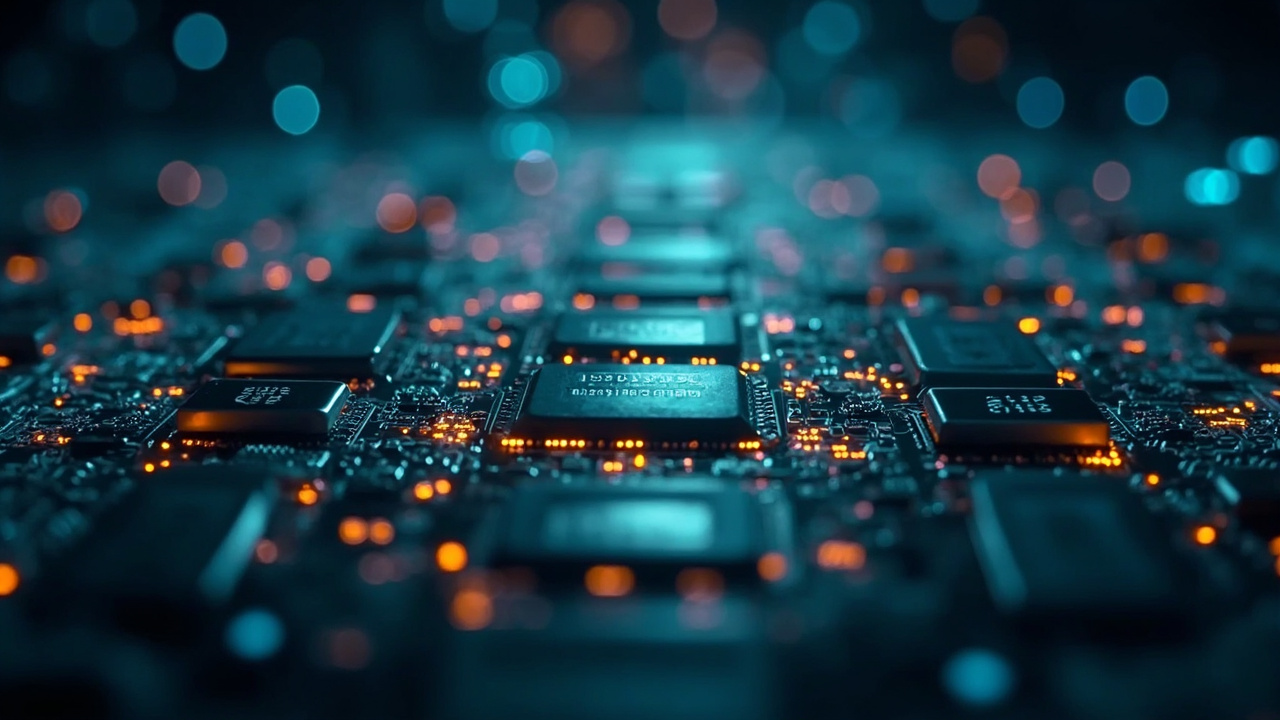
Samsung Electronics crossing the $1 trillion market-value line is not just a company headline. The source report links the move to rising demand for memory chips used in artificial intelligence applications. On the surface, it is a valuation milestone for a Korean technology champion. Underneath, it shows how the AI infrastructure story is expanding beyond GPUs into memory, packaging, materials, and regional manufacturing capacity.
## Core event: Samsung enters the AI infrastructure map
The report notes that Samsung became the first Korean company to reach this valuation level, placing it in the same analytical frame as TSMC, Nvidia, and Microsoft. It also cites prediction-market expectations around whether Microsoft could become the largest company by December 2026, with the “yes” probability sitting at 0.9% and staying stable over the past week. That figure is not a conclusion, but it shows that markets are widening the list of companies associated with AI infrastructure.
## The tension: demand is visible, supply is harder to control
The central tension is that demand for AI memory and compute looks clear, while supply depends on more than orders. Export controls affecting semiconductor flows, helium supply disruptions in the Middle East, and allocation of advanced manufacturing capacity can all shape delivery timelines. Samsung’s market-value milestone is therefore not only a corporate event. It is part of a broader reordering of AI infrastructure across geopolitics, materials, and manufacturing capability.
## Key variables: whether memory becomes a strategic asset
The first variable is the role of memory itself. Memory chips were often treated as cyclical products, with pricing moving through supply-and-demand swings. AI training and inference have changed that reading, because HBM, DRAM, and NAND now sit closer to the center of data-center planning. The second variable is customer concentration. If demand is dominated by a few very large cloud buyers, pricing power and delivery schedules become more concentrated. The third variable is policy, since export rules and material supply can quickly alter expectations.
## What to watch next
The next signals are practical: whether AI data-center orders become recurring revenue, whether contract prices for memory products remain resilient, and whether supply-chain disruptions affect delivery. If these signals move in the same direction, Samsung’s milestone looks more structural. If they diverge, the market may reassess how deep this repricing really is.
## What different readers should take from it
For technology-industry readers, the news shows that AI hardware competition is spreading across the supply chain. For crypto and Web3 readers, compute costs, data-center expansion, and chip availability also affect mining, on-chain data services, and AI-agent infrastructure. For general market readers, the meaningful issue is not the slogan around AI, but whether revenue, margins, supply constraints, and policy risks improve together.
## One-sentence takeaway
Samsung’s $1 trillion milestone is not only about one company’s valuation; it is a sign that memory chips are moving closer to the core of AI infrastructure.
Author: Coinalx Editorial Team
First published: 2026-05-06
Last updated: 2026-05-06
Source: https://www.528btc.com/news/116388810.html

DISCLAIMER:
1. All content on this website (including but not limited to articles, data, charts, and analyses) is for general informational purposes only and does not constitute any form of investment advice, trading recommendation, or financial guidance.
2. Cryptocurrencies and digital assets are subject to extreme price volatility and high investment risk; you may lose part or all of your principal. Past performance does not predict future results.
3. The information on this website is based on sources we believe to be reliable, but we do not guarantee its accuracy, completeness, or timeliness. Any investment decisions made based on this website’s information are at your own risk.
4. We strongly recommend that you conduct your own thorough research and consult an independent, licensed financial advisor before making any investment decisions.