Iran Conflict Ignites Aviation Fuel Crisis: What Bitcoin Investors Should Watch
2026-04-21 18:23:27
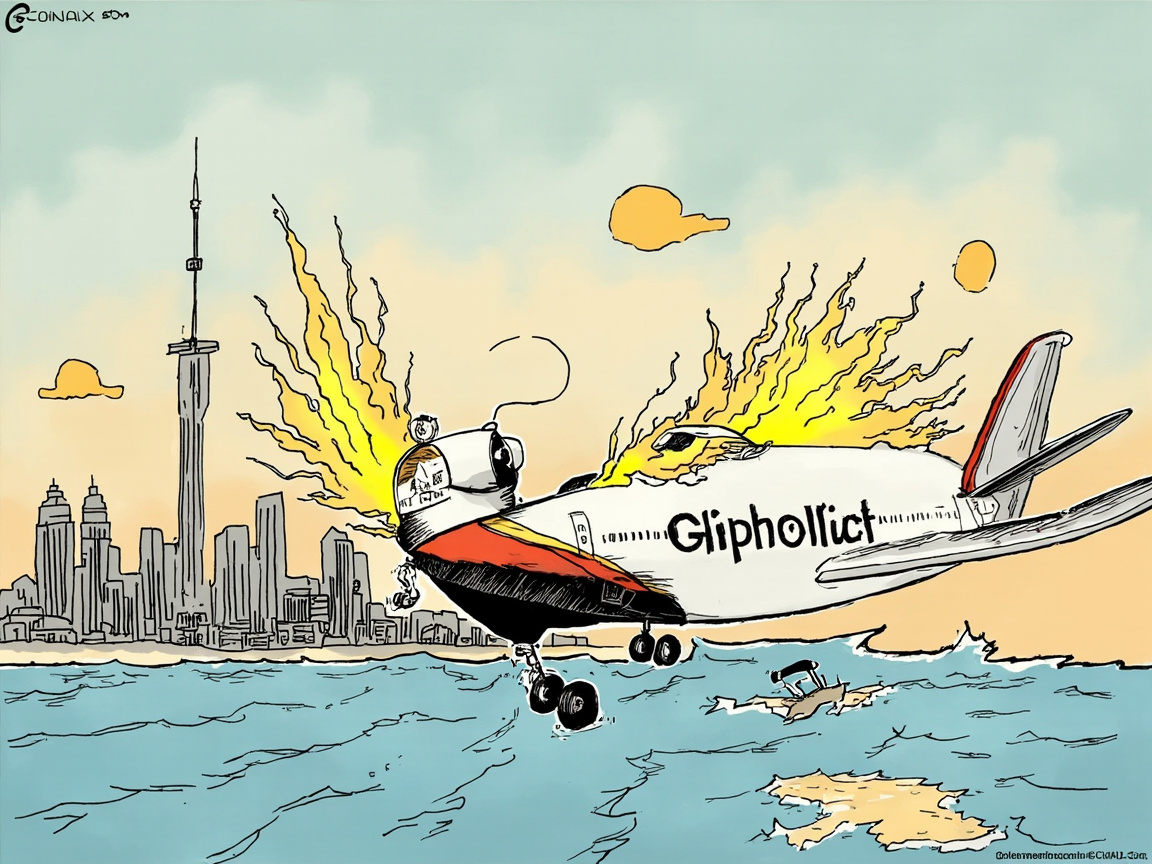
**The Middle East conflict has pushed European aviation fuel prices above $100 per barrel, adding over $100 per passenger on long-haul flights.** While this appears as an airline industry issue, the real story is how geopolitical shocks are directly testing the fragility of traditional energy systems—with implications far beyond airport terminals.
## The Fuel Bill's Pressure Chain
Analysis shows concrete numbers: Paris to New York flights now cost $140 more per passenger in fuel; Barcelona to Berlin adds $28. These aren't projections—they're already hitting balance sheets.
Airlines warned in March: if the Strait of Hormuz remains disrupted, costs will pass to consumers. That "if" is now reality.
Here's what matters: aviation is both energy-intensive and policy-sensitive. Fuel price spikes expose the entire industry's cost structure. Major European carriers like Lufthansa, Ryanair, and Air France-KLM face dual pressure—actual fuel bills plus upcoming EU climate compliance costs.
## The Policy Window Is Closing
The EU plans Wednesday guidance on aviation fuel management, pushing green fuel investment precisely during this crisis. Timing is strategic: propose energy independence solutions when vulnerability is most visible.
Yet airlines lobby to relax climate rules—delaying 2030 synthetic fuel mandates, reviewing carbon pricing. Their argument: fuel price surges already exceed climate compliance costs.
Transport & Environment's aviation director Diane Vitry nailed it: "Our real vulnerability lies in tanks full of foreign oil, not in the regulations designed to address this."
Translation for crypto: traditional energy fragility is structural, not regulatory. Regulations attempt repairs, but crises widen cracks faster than fixes arrive.
## What Bitcoin Holders Should Monitor
1. **Watch energy supply chain ripple effects** Aviation fuel is the first domino. Shipping, logistics, and manufacturing costs follow with lag. Traditional systems typically respond with monetary easing—creating favorable long-term conditions for Bitcoin.
2. **Track policy response timing** The EU advancing green investment during crisis shows structural urgency. But policy implementation takes time markets don't have. This gap amplifies traditional asset volatility.
3. **Recognize fragility's nature** Middle East tensions reveal global energy dependency vulnerability—masked by efficiency in peace, magnified by cost in conflict. Bitcoin's non-sovereign value proposition gets re-examined in this environment.
## Reality Check: Where This Cuts Deepest
Fuel cost increases are surface symptoms. Underneath: geopolitics reshaping energy pricing power. Strait of Hormuz risks translate directly to European consumer bills—a transmission chain too clear to dismiss as "temporary volatility."
For crypto, the focus isn't whether airline stocks drop, but whether this triggers broader inflation expectations. Sustained high energy costs squeeze central bank options: hike rates to fight inflation (risking economic strain) or maintain easing (risking inflation spiral).
Bitcoin's position here is clear: not a safe haven, but a hedge against traditional system failure. When energy supply chain fragility gets repeatedly proven, decentralized, non-sovereign value storage gains substantive attention.
Bottom line: Don't fixate on the extra $100 flight cost. Watch what that $100 represents—another blow to traditional energy systems. Each blow adds another real-world footnote to Bitcoin's value narrative.
DISCLAIMER:
1. All content on this website (including but not limited to articles, data, charts, and analyses) is for general informational purposes only and does not constitute any form of investment advice, trading recommendation, or financial guidance.
2. Cryptocurrencies and digital assets are subject to extreme price volatility and high investment risk; you may lose part or all of your principal. Past performance does not predict future results.
3. The information on this website is based on sources we believe to be reliable, but we do not guarantee its accuracy, completeness, or timeliness. Any investment decisions made based on this website’s information are at your own risk.
4. We strongly recommend that you conduct your own thorough research and consult an independent, licensed financial advisor before making any investment decisions.