ECB's 2026 Rate Cut Bets: Why Markets Say 'Nearly Impossible'
2026-04-21 16:41:55
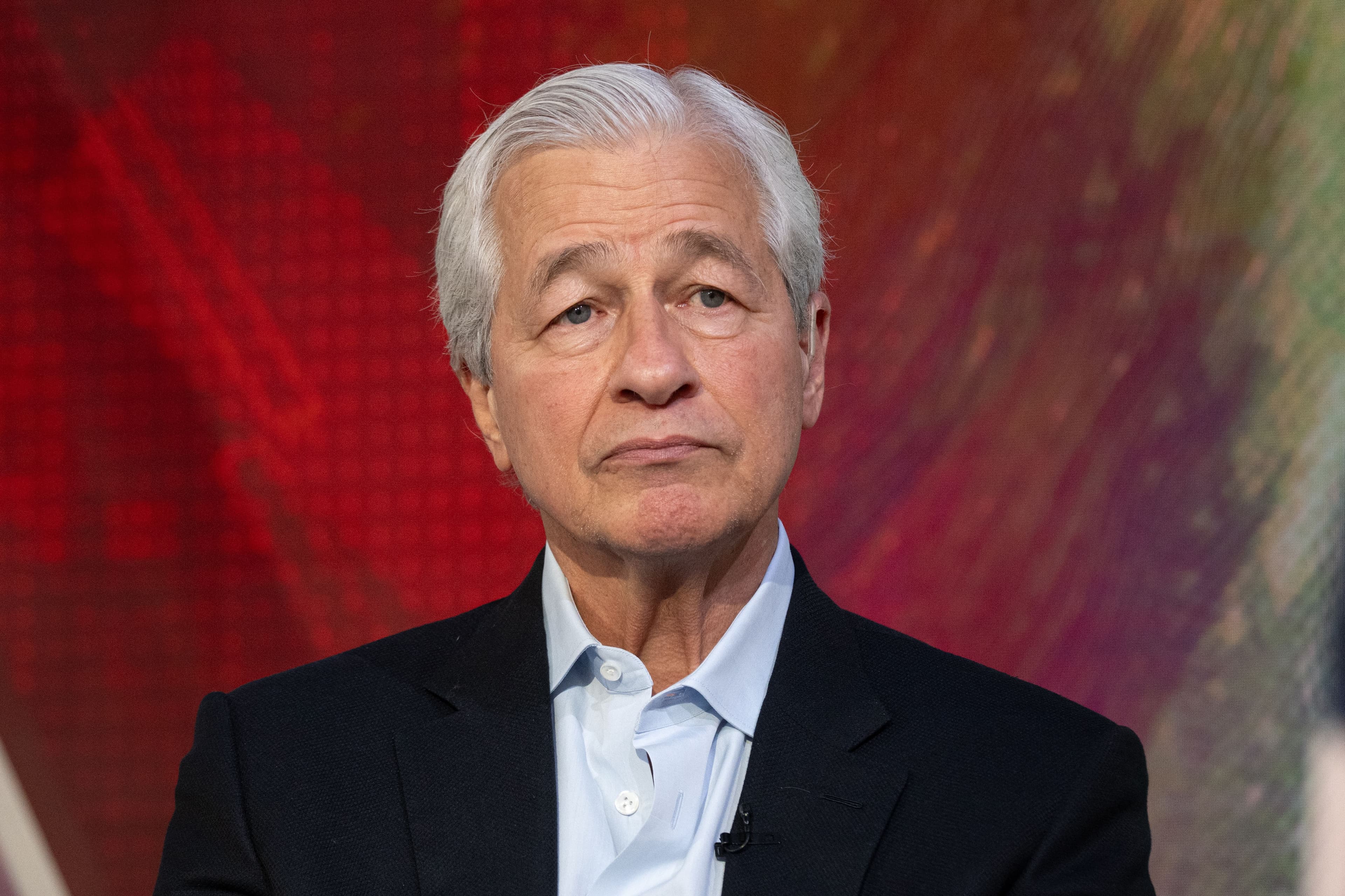
ECB Vice President Luis de Guindos recently urged investors to remain cautious on interest rates ahead of the central bank's April 2026 policy meeting. That sounds like standard central-bank speak, but the real story isn't what he said—it's what markets are already pricing: the chance of a major ECB rate cut before spring 2026 is virtually zero.
## The 0.1-Cent Bet with 1000x Odds
On prediction market Polymarket, a contract betting on whether the ECB will cut rates by 50 basis points or more by April 30, 2026, currently trades at **0.1 cents**. That means you could buy 1,000 shares for $1, with each paying $1 if the cut happens—a 1000x return.
Sounds tempting, but markets aren't naive. A 0.1-cent price implies just a **0.1% probability** of the event occurring. This isn't caution; it's a near-verdict of impossibility.
Look deeper: the contract's total notional value is only $1,036, with daily volume around $1. A $53 buy or sell order can move the price by 5%—showing how thin and unconvinced the market is.
## Why Markets Are So Certain
De Guindos' warning aligns with market pricing, but this isn't just about official rhetoric.
The real driver is data: Middle East conflicts have pushed inflation higher while dragging on growth. The ECB currently forecasts 2.6% inflation and 0.9% GDP growth for 2026, alongside low unemployment and strong public spending—hardly an environment conducive to rate cuts.
The ECB has held rates steady since early February not because it wants to, but because it's trapped. Inflation risks are tilted upward, growth risks downward, squeezing policy flexibility.
Markets get this. The 0.1-cent price isn't a reaction to one speech; it's a pricing of the macro narrative for the next two years.
## What This Cuts Out
It slashes the fantasy of rapid rate cuts in 2024–2025.
Many are waiting for a easing cycle, hoping to endure 2024 and then see relief. But the ECB's signal is clear: don't expect significant easing before spring 2026. Middle East instability, volatile energy prices, and sticky inflation aren't short-term fixes.
The 0.1-cent contract essentially says: unless the economy crashes over the next two years, the ECB won't cut aggressively. And de Guindos' tone suggests a crash isn't their baseline expectation.
## What to Watch Next
Stop obsessing over whether each meeting will bring a 25-basis-point cut. That's noise.
Focus on two things:
**1. Middle East tensions.** Any new geopolitical conflict will directly hit energy prices and inflation expectations—the ECB's biggest external headache and the main barrier to policy shifts.
**2. Inflation trends.** Not monthly wobbles, but the direction. If 2025 inflation forecasts start falling meaningfully, the ECB might soften its stance. But right now, the 2.6% forecast remains above the 2% target, with upside risks outweighing downsides.
As for that Polymarket contract? Unless you believe a black swan will plunge Europe into deep recession over the next two years, even 0.1 cents isn't worth betting. Markets have answered—not "probably not," but "almost impossible."
## The Bottom Line
If you hold Bitcoin or other risk assets, the ECB's rate path means dollar liquidity won't suddenly surge from European easing. It suggests major global central banks may remain in "can't ease, won't ease" mode until 2026. Valuation support for risk assets will depend more on actual growth than liquidity hopes.
The 0.1-cent contract is an extreme case, but its signal is clear: market pessimism on long-term rates has hit a structural low. This isn't short-term volatility; it's deep-seated caution.
In this environment, hoping for quick central bank pivots to boost asset prices may prove futile. Real opportunity lies in assets that can weather cycles without relying on cheap money.
Markets have voted with their feet. The question now is whether you'll follow.
DISCLAIMER:
1. All content on this website (including but not limited to articles, data, charts, and analyses) is for general informational purposes only and does not constitute any form of investment advice, trading recommendation, or financial guidance.
2. Cryptocurrencies and digital assets are subject to extreme price volatility and high investment risk; you may lose part or all of your principal. Past performance does not predict future results.
3. The information on this website is based on sources we believe to be reliable, but we do not guarantee its accuracy, completeness, or timeliness. Any investment decisions made based on this website’s information are at your own risk.
4. We strongly recommend that you conduct your own thorough research and consult an independent, licensed financial advisor before making any investment decisions.