Israel-Hezbollah Ceasefire Holds, But Prediction Markets See No Change: Why Crypto Traders Should Ca
2026-04-21 08:02:43
**The ceasefire is live.** On April 16, a U.S.-mediated truce between Israel and Hezbollah officially began. Displaced Lebanese are returning south, and frontline guns have fallen silent. On the surface, it’s a de-escalation. But look closer: prediction markets haven’t budged. The “ceasefire holds” contract price stayed at 100% from deal to execution.
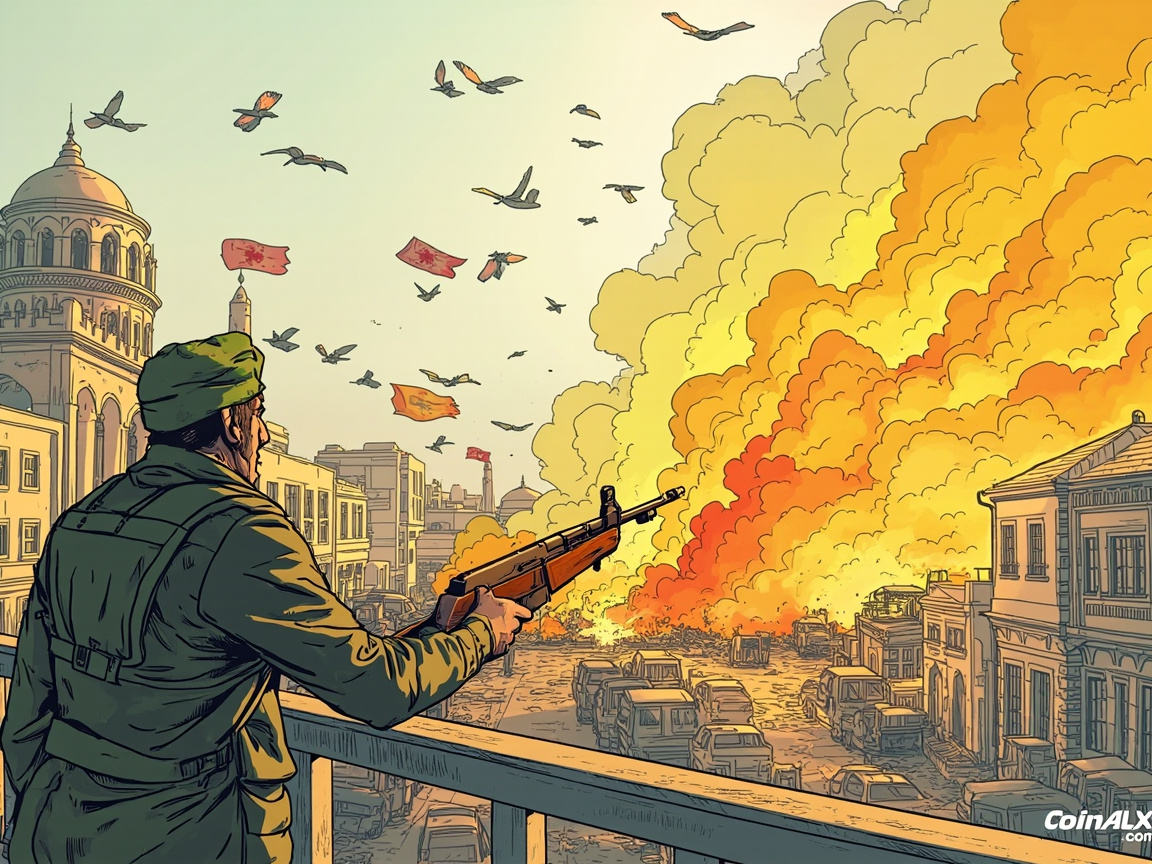
Markets are voting with their feet—this isn’t over.
## **Beneath the Calm: Why Markets Aren’t Buying It**
The agreement lacks a critical ingredient: **trust**. Israeli troops haven’t withdrawn; a “yellow line” buffer zone remains. It’s like two fighters sheathing knives but keeping hands on the hilts—the posture changed, the standoff didn’t.
Prediction markets are brutally honest. Contracts for “ceasefire holds through April 30” price at 100%, and even June 30 contracts show 100%. Traders believe the pause will hold through spring, but beyond? No guarantees. Meanwhile, Beirut military-action probability remains 100% with minimal volume—traders aren’t treating the ceasefire as new information. To them, it’s just another move in a longer game.
**Why the skepticism?** Structural issues—Hezbollah’s armed status, Israel’s security demands, U.S. mediation—remain unresolved. Markets see a pause button, not a solution.
## **What to Watch Next**
Ignore headlines; track these signals:
- **Buffer zone shifts:** If the “yellow line” recedes and Israeli presence dwindles, that’s real de-escalation. If it hardens or advances, the ceasefire will crack. Prediction markets will react faster than news cycles.
- **Negotiation momentum:** Post-ceasefire talks are the main event. Any substantive dialogue will repricing markets; stalemate or collapse will shake that 100% pricing. Watch for new U.S. mediation moves—they’re potential catalysts.
- **Black swans:** Markets price near-zero rupture odds now, but geopolitics loves surprises. A border skirmish, accidental clash, or hawkish speech could shift curves overnight. Traders aren’t asleep—they’re waiting for the imbalance trigger.
## **Implications for Crypto**
Geopolitics and crypto are linked by a clear chain: Middle East stability → global energy markets → inflation expectations → Fed policy → dollar liquidity. And dollar liquidity is crypto’s lifeline.
This isn’t theory—it’s played out repeatedly. So don’t dismiss this as regional news. Ask: Will the ceasefire hold? How long? If it breaks, how severe? Answers will eventually reflect on Bitcoin’s charts.
**For traders:**
- If the ceasefire solidifies, Middle East risk premiums drop, potentially easing macro pressure on crypto.
- If it collapses and conflict escalates, safe-haven flows could strengthen the dollar, testing crypto liquidity anew.
- The worst-case? A “no-war-no-peace” limbo—prolonged uncertainty, anxious choppiness.
## **Bottom Line: Ceasefire as Tactic, Not Endgame**
This truce is a cost-recalibration. Both sides are tired, catching breath, calculating next steps. It’s a temporary halt, not peace.
Prediction markets’ 100% pricing isn’t celebrating peace—it’s saying neither side has incentive to break this fragile balance yet.
But fragile balance is still balance. For investors, the task isn’t predicting a rupture (markets already show low odds). It’s observing subtle shifts during this pause: buffer-zone adjustments, negotiation progress, U.S. role changes. Those details are the seeds of future volatility.
Remember: in geopolitics, the most valuable intel often hides off the front page. The ceasefire is live—but the real game is just beginning.
DISCLAIMER:
1. All content on this website (including but not limited to articles, data, charts, and analyses) is for general informational purposes only and does not constitute any form of investment advice, trading recommendation, or financial guidance.
2. Cryptocurrencies and digital assets are subject to extreme price volatility and high investment risk; you may lose part or all of your principal. Past performance does not predict future results.
3. The information on this website is based on sources we believe to be reliable, but we do not guarantee its accuracy, completeness, or timeliness. Any investment decisions made based on this website’s information are at your own risk.
4. We strongly recommend that you conduct your own thorough research and consult an independent, licensed financial advisor before making any investment decisions.