ECB Trapped by Energy Prices: Rate Cut Hopes Vanish, Bitcoin's Macro Window Opens
2026-04-21 06:10:19
## The ECB's Energy Trap
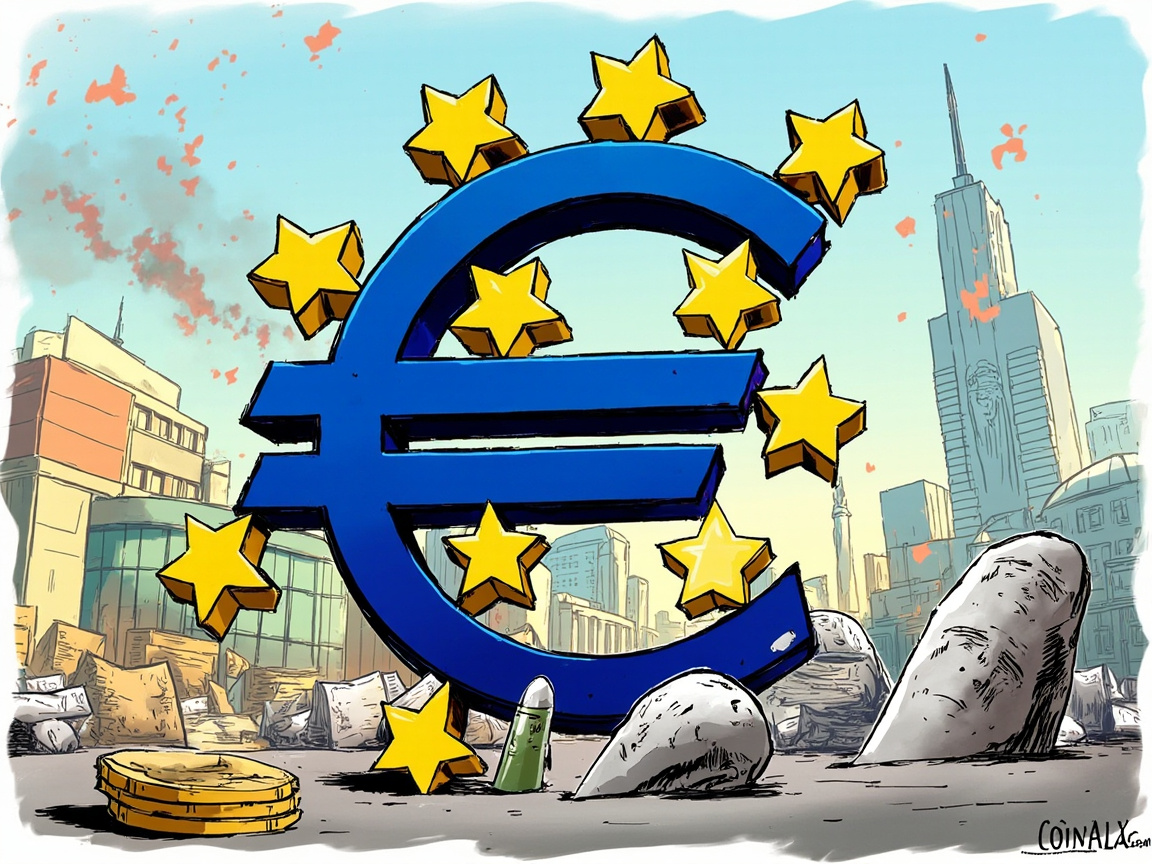
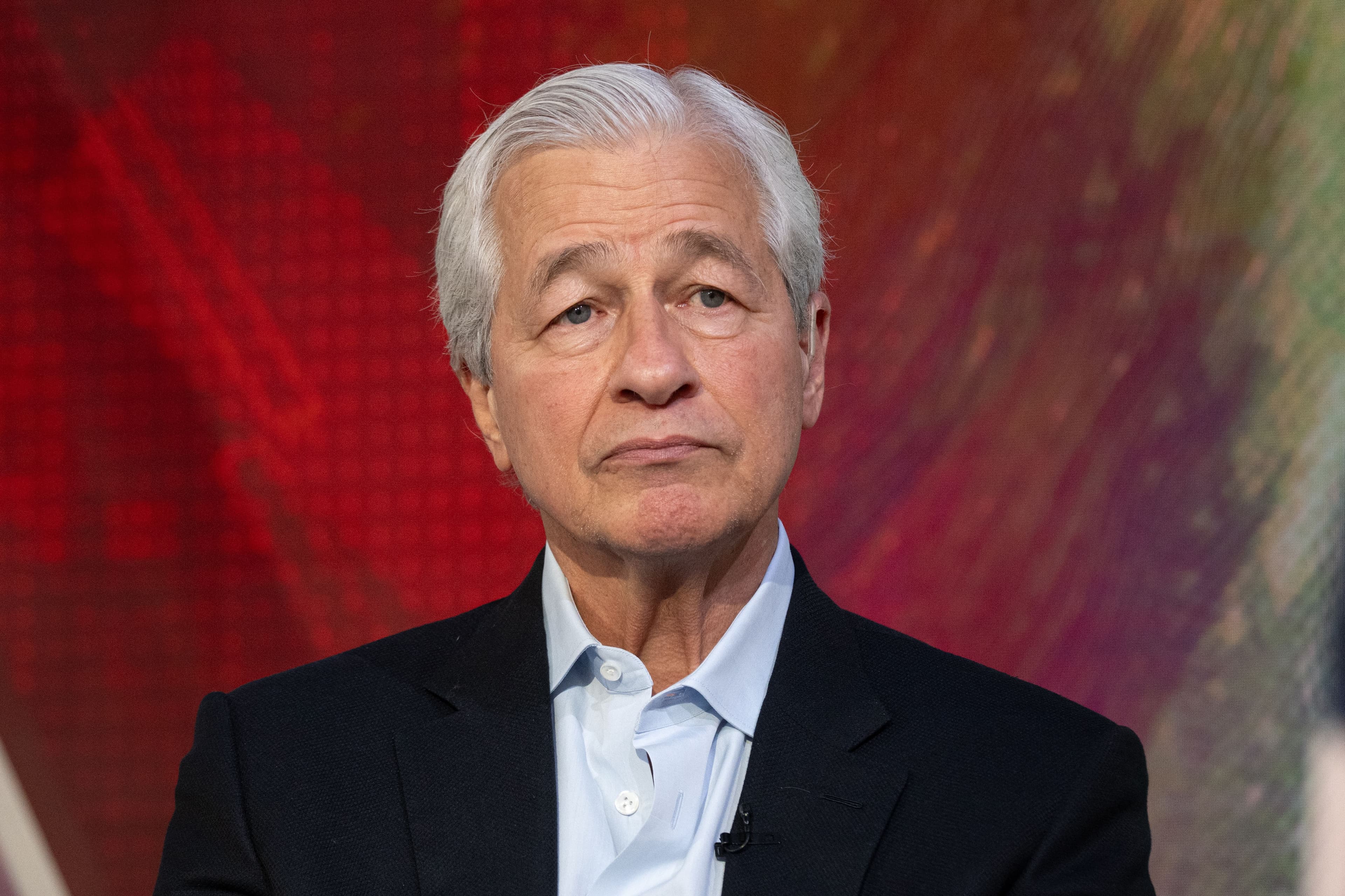
When ECB President Pereira recently described the economic impact of the Iran conflict as "unclear," markets heard something different: confirmation. **Traders now price just a 0.1% probability of ECB rate cuts exceeding 50 basis points before April 2026**—effectively zero.
## Why Markets Have Given Up
That 0.1% probability isn't a forecast—it's money talking. Two factors explain this dramatic shift:
- **Stubborn inflation**: Eurozone inflation remains stuck at 2.5% while energy prices surge. The ECB fears "second-round" inflation that could undo years of tightening.
- **Recession tolerance**: Germany and Italy teeter near recession, but the ECB's mandate prioritizes price stability over growth. Even worsening economic data won't trigger rate cuts.
## What This Means for Crypto
When major central banks get "locked in" to predictable policy paths, volatility seeks other outlets. The ECB's clear—and brutal—message is **higher rates for longer**. This pressures risk assets generally but reshapes Bitcoin's narrative:
1. **Liquidity substitution**: As traditional rate cut hopes fade, capital seeking monetary easing may explore alternative "tracks." Bitcoin's fixed supply and independent monetary policy offer a contrasting story.
2. **Geopolitical premium**: Energy price spikes from Middle East tensions feed inflation, trapping central banks. Historically, such energy crises and geopolitical turmoil revive Bitcoin's "digital gold" narrative—not guaranteeing immediate rallies, but refocusing attention on its asset properties.
## What to Watch Next
Forget the 0.1% miracle. Focus on two signals:
- **ECB leadership tone**: Watch President Lagarde and Chief Economist Lane. The key isn't what they say, but **whether growth concerns ever outweigh inflation fears** in their rhetoric. Until that changes, the 0.1% probability holds.
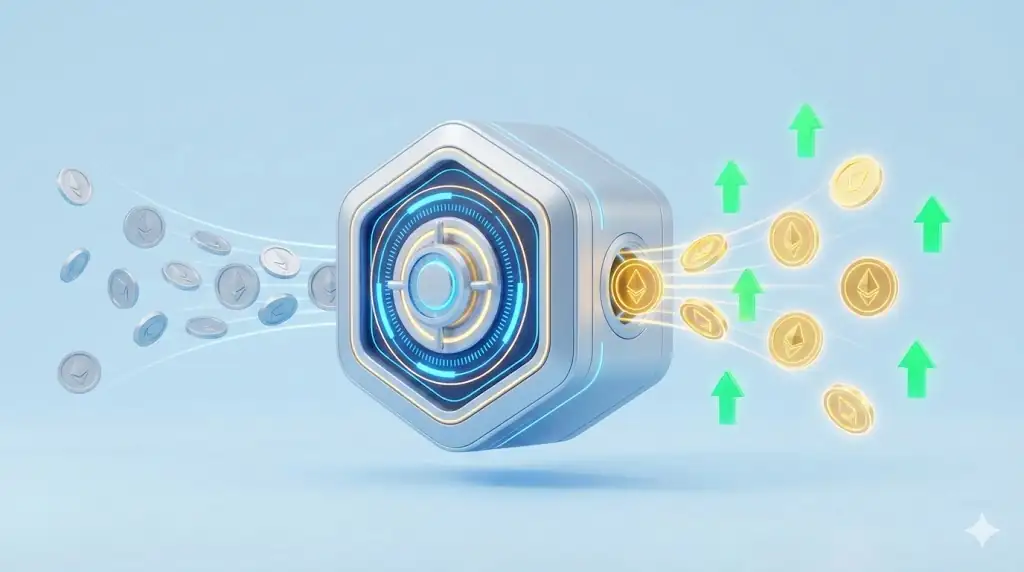
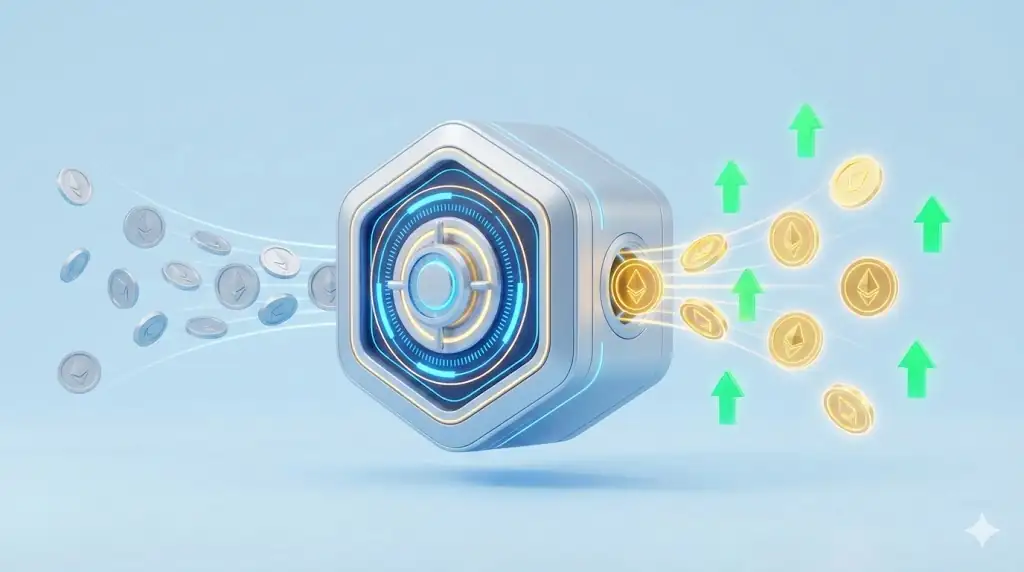
- **Energy price trajectory**: This is the lock binding the ECB's hands. Continued energy price increases—especially if they lift core inflation—could not only eliminate rate cut hopes but revive hike discussions.
## How This Plays Out
Short-term, this is a stalemate. The ECB remains bound by energy and inflation, and markets accept this reality. Those near-zero probabilities will persist until decisive data or events break the deadlock.
For Bitcoin, this means:
1. **Continued macro headwinds**: High rates suppress overall risk appetite.
2. **Differentiated narrative space**: While traditional assets price in "higher for longer," Bitcoin's unconventional story gains attention. Its volatility may decouple from equities, reflecting its own liquidity dynamics and macro-hedge demand.
## The Bottom Line
The ECB's dilemma reveals traditional finance's rigidity: hostage to inflation, constrained by energy, and paralyzed by indecision.
Bitcoin exists partly as a response to such centralized policy sluggishness. It won't soar immediately because the ECB can't cut rates, but this "policy lock" provides **long-term contrast**—a clearer demonstration of Bitcoin's value as an alternative monetary system.
For investors, the opportunity isn't betting on that 0.1% ECB reversal. It's recognizing that when central banks' toolkits look limited, markets reassess all alternatives. Bitcoin is moving up that reassessment list.
DISCLAIMER:
1. All content on this website (including but not limited to articles, data, charts, and analyses) is for general informational purposes only and does not constitute any form of investment advice, trading recommendation, or financial guidance.
2. Cryptocurrencies and digital assets are subject to extreme price volatility and high investment risk; you may lose part or all of your principal. Past performance does not predict future results.
3. The information on this website is based on sources we believe to be reliable, but we do not guarantee its accuracy, completeness, or timeliness. Any investment decisions made based on this website’s information are at your own risk.
4. We strongly recommend that you conduct your own thorough research and consult an independent, licensed financial advisor before making any investment decisions.