Hormuz Strait Blockade: How Crypto Prediction Markets Are Pricing Geopolitical Failure
2026-04-21 02:38:05
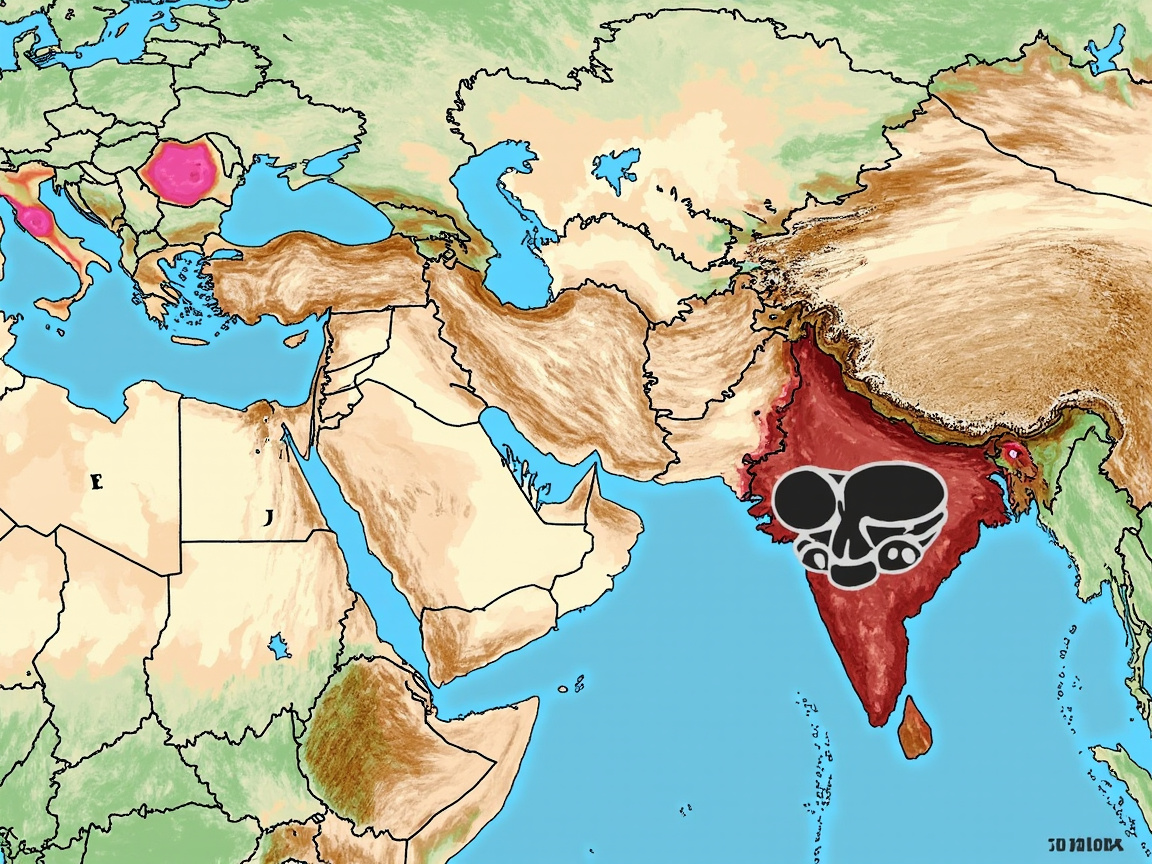
Iran just blocked the Hormuz Strait—the 20-mile-wide chokepoint that carries 20% of global oil shipments. The U.S. responded by seizing an Iranian vessel. On the surface, it's another Middle East flare-up. But look deeper: crypto prediction markets are already pricing this as a diplomatic failure.

**The Market Has Already Voted**
Tiny volumes tell the real story. Daily USDC trading sits at just $400—but these micro-markets often move first.
Key contracts show the shift:
- **Probability Iran surrenders uranium stockpiles by April 30** crashed from 65% to 31.2%—a 12-point single-day drop. Traders see zero chance of Iranian capitulation under current pressure.
- **Probability Trump lifts oil sanctions by April** plunged from 62% to 43.5%. The market expects hardened U.S. positions, not concessions.
Small orders moving prices signal consensus forming fast. The question isn't *if* talks break down, but *how quickly*.
**Where This Cuts Deep**
Blocking the Hormuz Strait isn't just disrupting shipping—it's squeezing global energy's main artery. Iran played this card because it's out of negotiating chips. America's ship seizure removed any remaining off-ramps.
Both sides are cornered. The diplomatic window shrank from "a month left" to "twelve days." Prediction markets now price the chance of a June 30 meeting at 3.7%—essentially saying there's less than a 4% chance of reversal in twelve days.
This isn't analysis. It's pricing.
**What Investors Should Watch**
Ignore the headlines. Watch these three signals instead:
**1. Contract Spreads**
The "yes" contract for Iran abandoning uranium sits at 31.2 cents. If it hits, that's a $1 payout—3.2x returns. Yet the market prices it low because those returns come with high risk. Current pricing suggests breakthrough is unlikely.
**2. Time Decay**
Twelve days until outcome. Like options, geopolitical negotiations have time value. Each day raises negotiation costs and shrinks compromise space. If contract prices don't rebound significantly in coming days, the market has likely given up hope.
**3. Third-Party Signals**
Any "new talks" rumor will cause volatility. But watch *where* meetings are announced, *who* attends, and *what's* discussed. Third-location summits would disrupt current pricing—but given current tensions, that possibility is fading fast.
**What Comes Next**
Two paths, wildly different odds:
**Low-Probability Path**: Meeting announced within ten days, contracts spike, short-term money floods in. But any rally would be brief—core issues remain unresolved, making agreements fragile.
**High-Probability Path**: Deadlock continues through month-end, contracts drift lower as "talks fail" gets priced in. The real risk isn't the event itself but the chain reaction: oil supply disruption, inflation fears, safe-haven flows—that's when mainstream crypto markets feel the impact.
Right now, $400 in USDC volume is just the opening skirmish.
**Bottom Line**
Geopolitics isn't crypto's main narrative, but it's the ultimate stress test. The Hormuz Strait situation appears as U.S.-Iran brinkmanship—but beneath, prediction markets are conducting due diligence on an international negotiation at minimal cost and maximum efficiency.
That 3.7% probability isn't guessed. It's bought.
Investors shouldn't predict outcomes but read what the market already says—then decide whether to bet on that 3% miracle.
Right now, the market says there isn't one.
DISCLAIMER:
1. All content on this website (including but not limited to articles, data, charts, and analyses) is for general informational purposes only and does not constitute any form of investment advice, trading recommendation, or financial guidance.
2. Cryptocurrencies and digital assets are subject to extreme price volatility and high investment risk; you may lose part or all of your principal. Past performance does not predict future results.
3. The information on this website is based on sources we believe to be reliable, but we do not guarantee its accuracy, completeness, or timeliness. Any investment decisions made based on this website’s information are at your own risk.
4. We strongly recommend that you conduct your own thorough research and consult an independent, licensed financial advisor before making any investment decisions.