Kuwait's Oil Export 'Force Majeure' Hits 94-Dollar Crude: How Bitcoin Faces the Geopo
2026-04-20 23:47:13
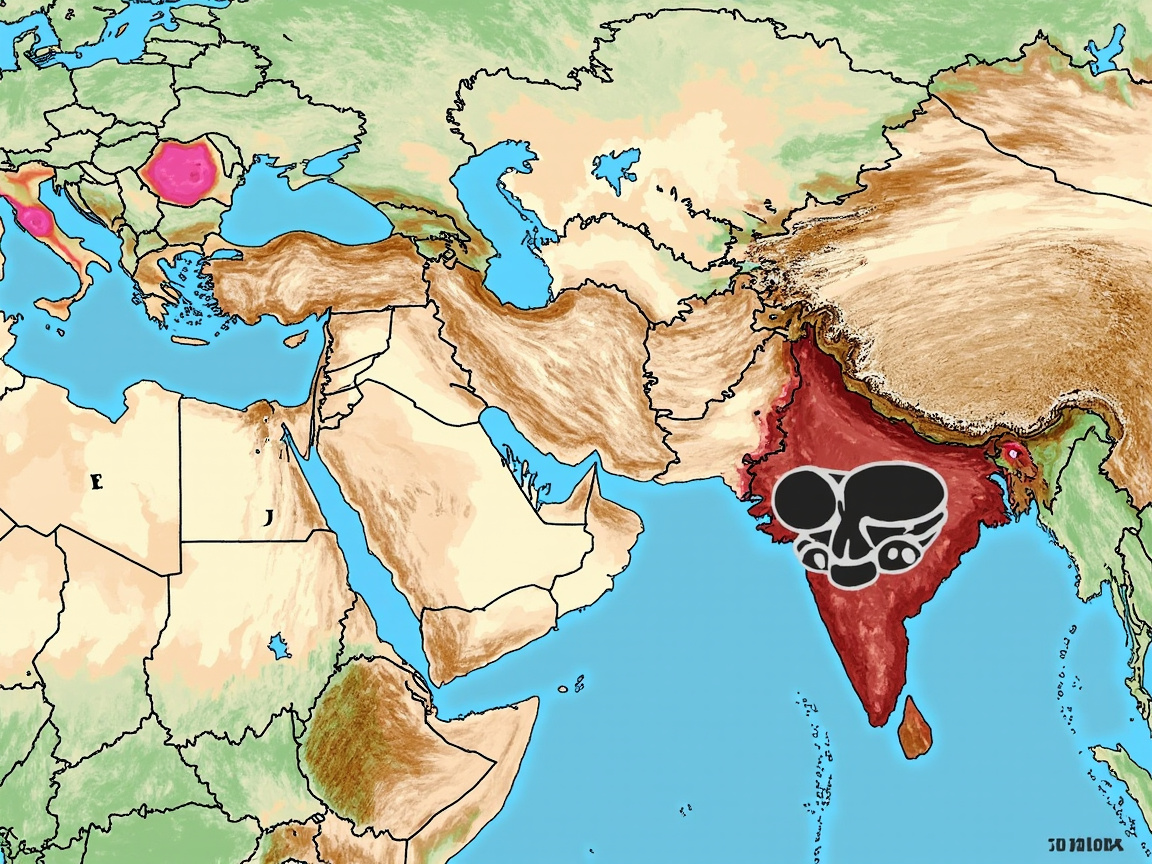
The Strait of Hormuz is shut again. Just days after Iran announced a reopening, the U.S. refused to lift its blockade, prompting immediate closure. On Friday, Kuwait Petroleum Corporation (KPC) formally notified customers: citing force majeure, it is suspending some crude and refined product shipments. Brent crude jumped nearly 4%, approaching $94 per barrel.

On the surface, this is an oil supply crisis driven by U.S.-Iran tensions. What matters more is how this geopolitical shock is redirecting global capital flows—and Bitcoin stands at the crossroads.
## Kuwait's 'Force Majeure' Is More Than a Supply Glitch
KPC's notice cites an inability to deliver to vessels that can't enter the Persian Gulf. But insiders reveal a deeper issue: Kuwait's oil infrastructure has taken multiple hits, with production now at its lowest since Iraq's 1990 invasion.
Even if the conflict ends tomorrow, full recovery could take months. The U.S. government estimates over 9 million barrels per day of global output are currently offline.
This cuts the main artery of global energy supply. Pre-crisis, about one-fifth of the world's oil and LNG moved through Hormuz. The blockade has saturated storage tanks in the Gulf and scrambled global pricing mechanisms.
For crypto, this isn't distant news. Oil shocks drive inflation expectations, which steer monetary policy, which determines liquidity—and liquidity is crypto's lifeblood.
## The Smoke and Mirrors of U.S.-Iran Talks
Iran sends mixed signals: no immediate plans for new talks, but willingness to negotiate "not at any cost." The U.S. says it's open to dialogue if progress is made. Pakistan is mediating, urging the U.S. to lift the blockade to bring Iran to the table.
Reality is harsher. Iran's Revolutionary Guard announced the strait will remain closed until the U.S. blockade ends, warning that approaching vessels "will be considered cooperating with the enemy."
Talks are foggy; warships face off. Markets hate this uncertainty.
## How the Oil Shock Transmits to Crypto
With oil at $94, what comes next?
**First layer: Inflation expectations rise.** Energy prices heavily weight CPI. Sustained high oil will push global inflation higher, squeezing the Fed's room to cut rates—maybe from three expected cuts this year to two, or fewer.
**Second layer: Dollar liquidity tightens.** High inflation constrains central bank easing, accelerating global dollar repatriation. This double-hits risk assets: higher funding costs and rising safe-haven demand.
**Third layer: Capital reallocates.** Energy stocks may gain, but equities overall face pressure. Some money seeks hedges—gold is one option, Bitcoin another.
Key question: Is Bitcoin a safe haven or risk asset this time?
## Bitcoin's True Stress Test
History shows two scripts. Early in the Ukraine war, Bitcoin rose with gold as a haven. Then, as the Fed hiked aggressively, it fell with Nasdaq, showing risk-asset traits.
This time is different.
The Hormuz blockade isn't a local conflict—it's a chokehold on global energy. The oil shock is persistent; inflation pressure is structural. Central banks can't easily pivot to easing.
Bitcoin faces a real test: Can it hold its own in a liquidity-tightening environment?
On-chain data shows large holders (whales) accumulating recently. Exchange reserves keep falling, with supply shifting to long-term holders. Smart money seems to be preparing for a more turbulent macro scene.
## What Investors Should Watch Now
Don't stare at oil prices—they're lagging indicators.
**1. Watch the U.S. Dollar Index (DXY).** If DXY keeps strengthening, global dollars are flowing home, pressuring risk assets. Bitcoin may dip short-term, but a stronger dollar bolsters the case for decentralized alternatives long-term.
**2. Watch real Treasury yields.** This is the anchor for global asset pricing. Rising real yields force repricing of all income-generating assets. Bitcoin pays no interest, but its scarcity becomes a form of "yield" in an inflationary world.
**3. Watch Middle East sovereign funds.** Kuwait, UAE, Saudi Arabia—oil gains bring huge trade surpluses. Where does that money go? Traditionally into U.S. bonds and stocks, but some may now flow into digital assets. Signs are emerging.
**4. Watch Bitcoin hash rate distribution.** If Middle East tensions cause prolonged energy shortages, global mining could migrate again. Last time it was China's miners; who's next?
## Reality Check: This Shock Won't End Soon
Kuwait's production at 30-year lows isn't a quick fix. Hormuz opening and closing, talks going nowhere—this could drag on for months.
For crypto, that means:
- **Short-term volatility will spike.** Oil shocks hit inflation, inflation shifts rate expectations, rates repricing hits all assets. Bitcoin won't escape unscathed.
- **Long-term, this crisis accelerates three trends:** rethinking dependence on traditional energy, questioning the dollar payment system, and seeking geopolitical hedges. Bitcoin offers something on all three fronts.
The real danger is **complacency**. Markets are numb to conflict, oil swings, and Fed flip-flops. But when shocks compound and liquidity recedes, we'll see who's swimming naked.
Kuwait's force majeure notice is essentially a global liquidity warning. Oil at $94 is just the start; the real shockwave is still building.
Time for crypto to wake up. This isn't a spectator sport—it's time to review positions and rethink allocations. Geopolitics won't kill Bitcoin, but a liquidity crunch will test every holder's conviction.
Watch the dollar, watch Treasuries, watch on-chain data. In a storm, the best strategy isn't predicting the wind—it's making sure your boat is seaworthy.
DISCLAIMER:
1. All content on this website (including but not limited to articles, data, charts, and analyses) is for general informational purposes only and does not constitute any form of investment advice, trading recommendation, or financial guidance.
2. Cryptocurrencies and digital assets are subject to extreme price volatility and high investment risk; you may lose part or all of your principal. Past performance does not predict future results.
3. The information on this website is based on sources we believe to be reliable, but we do not guarantee its accuracy, completeness, or timeliness. Any investment decisions made based on this website’s information are at your own risk.
4. We strongly recommend that you conduct your own thorough research and consult an independent, licensed financial advisor before making any investment decisions.