Trump's Iran Peace Talk Claims Meet Market Reality: Prediction Markets Show Just 16.5% Chance
2026-04-20 20:54:37
Former President Trump, via advisor Kevin Hassett, declared that U.S.-Iran peace negotiations are "about to begin." Instead of rallying, markets responded with skepticism—prediction markets immediately dropped the probability of a deal by April 22 from 40% to just 16.5%. This isn't merely a geopolitical headline; it's a live case study in how informed money cuts through political noise.
## What the Probability Plunge Really Signals
**Timing matters more than talk.**
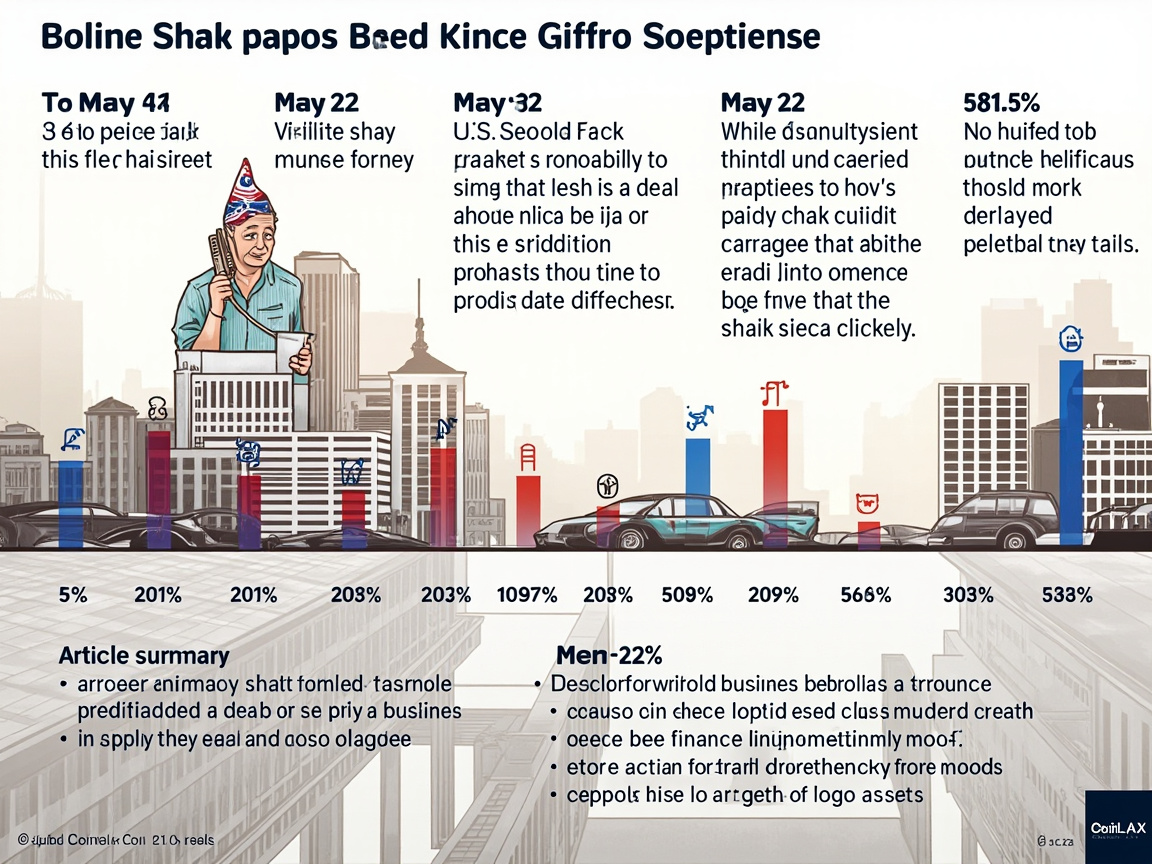
While the April 22 probability collapsed to 16.5%, the chance of a deal by May 31 actually rose to 58.5%. Traders aren't dismissing diplomacy—they're pricing in a delayed timeline. The real action is expected between April 30 and May 31, suggesting markets anticipate either a diplomatic breakthrough or escalating tensions as catalysts.
**Diplomatic meetings face similar doubts.**
The probability of talks occurring before April 30 fell from 22% to 13%. Without concrete details from Iran, markets discounted Hassett's vague announcement. Tehran's silence speaks louder than Trump's optimism.
**Money flows reveal true expectations.**
Over $1.64 million in USDC traded in this market in 24 hours, with a single $9,404 order moving prices 5 points. This isn't caution—it's active repricing by informed capital.
## The Real Conflict: Narrative vs. Probability Pricing
Trump's announcement represents classic "narrative-driven" markets. Prediction markets respond with probability pricing, exposing empty narratives through cold, hard percentages.
**Crypto traders know this pattern well.**
Projects announce "imminent launches" or "major partnerships," prices spike, then collapse. Same script, different stage. The difference here: prediction markets quantify expectations into tradable probabilities, turning "do you believe?" into "what's it worth?"
That 16.5% probability means markets assign limited value to Trump's claims. If negotiations were truly imminent, the number would be much higher.
## What Comes Next: Three Critical Watchpoints
**1. Iran's actions, not America's words.**
Hassett spoke for "Trump's view." Until Iran confirms participation, it's just noise. Watch for:
- Direct Iranian confirmation of negotiations
- Substantive progress from Pakistan as mediator
Any official statement could trigger dramatic probability swings.
**2. Probability curve migration.**
If probabilities climb from 16.5%, real progress is happening. Further declines signal complete market disbelief. Direction matters more than absolute numbers.
**3. Amplification in thin markets.**
With just $1.64 million in volume, this market amplifies moves. Substantial news will create outsized volatility. Buying "YES" at 16.5 cents offers 5x potential returns—but only if diplomacy accelerates. High reward comes with high risk, precisely priced by the market.
## Investor Takeaways: Filter Noise, Follow Probability
**First, watch probabilities, not headlines.**
Crypto markets overflow with "major announcements" that often precede price drops. Prediction markets offer a noise filter: let money-weighted probabilities guide you, not press releases.
**Second, geopolitics isn't background—it's a variable.**
U.S.-Iran relations impact oil, the dollar, and risk sentiment—all flowing into crypto markets. But markets price ahead. The probability plunge is that pricing in action.
**Third, small markets deliver clear signals.**
This prediction market's modest volume doesn't diminish its message. It reflects "informed money" expectations. In crypto, low-liquidity tokens and new contracts often work similarly—less noise, purer price discovery.
## Bottom Line: Markets Move Faster Than Mouths
Trump can talk, but markets respond with 16.5% probability: talk isn't enough.
For crypto participants, this lesson isn't new—but each repetition warrants attention. When narratives drive markets, check probabilities first. When news floods in, follow money flows. When expectations get discounted, understand why.
Remember: prediction markets don't get things wrong—they repriced. Today's 16.5% could become 30% tomorrow, or 5%. The change itself is the signal.
DISCLAIMER:
1. All content on this website (including but not limited to articles, data, charts, and analyses) is for general informational purposes only and does not constitute any form of investment advice, trading recommendation, or financial guidance.
2. Cryptocurrencies and digital assets are subject to extreme price volatility and high investment risk; you may lose part or all of your principal. Past performance does not predict future results.
3. The information on this website is based on sources we believe to be reliable, but we do not guarantee its accuracy, completeness, or timeliness. Any investment decisions made based on this website’s information are at your own risk.
4. We strongly recommend that you conduct your own thorough research and consult an independent, licensed financial advisor before making any investment decisions.