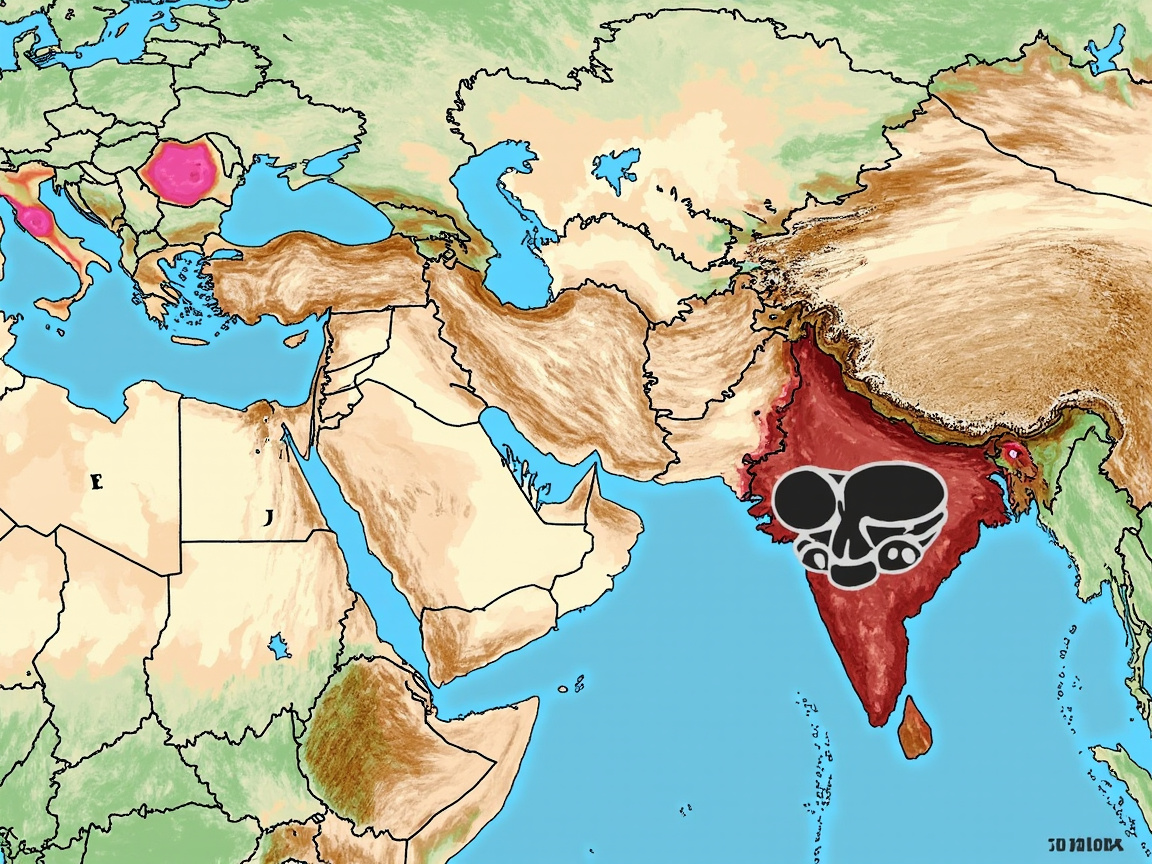
**U.S. Navy blocks the Hormuz Strait, Iran tensions escalate—but the real action isn’t on the water.** While shipping has ground to a near halt, crypto’s prediction markets have quietly revealed something far more critical: they’ve stopped functioning.
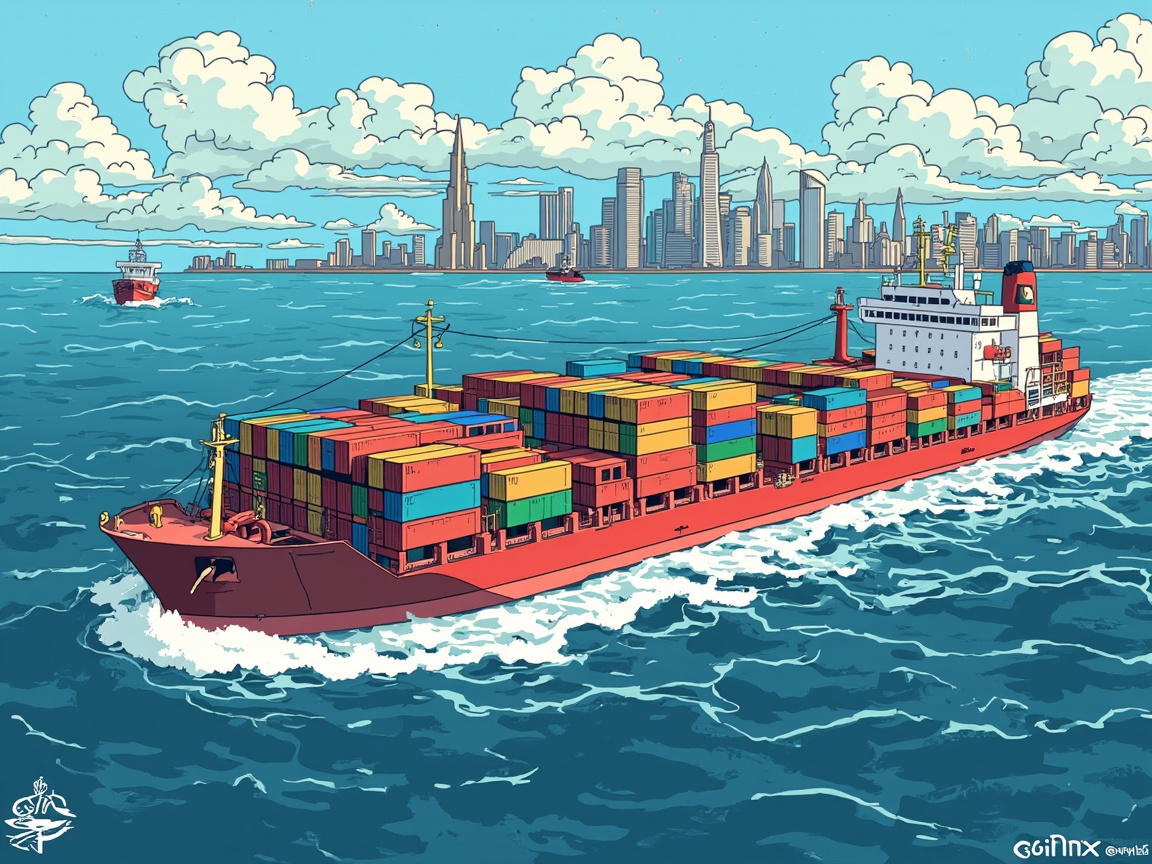
**Shipping froze. Markets froze faster.**
Vessel tracking shows fewer than 10 ships passed through the strait from April 13–19. Recovery hopes are dimming—the probability of reaching 80 daily transits by month-end has dropped from 51% to 30.5%.
But the real shock is in the numbers. **USDC trading volume in related prediction markets has collapsed to an average of just $14 per day.** A $12 price move now shifts probabilities by 5 percentage points—the market is tissue-thin. Compare that to contracts expiring April 30, which still see $16,360 in daily volume.
That’s not pricing risk. That’s a market that has lost its ability to price anything.
**Liquidity vanished before the first shot was fired.**
At 4:25 a.m., a 2-percentage-point move felt seismic. This isn’t consensus—it’s emptiness. Prediction markets should act as geopolitical thermometers, but the mercury is stuck. Traders aren’t avoiding bets because they lack views; they’re avoiding them because there’s no one on the other side.
**Liquidity erosion is more dangerous than price volatility.**
It means even if the situation reverses overnight—a sudden U.S.-Iran deal, Russian mediation—markets may not react. Prices could gap, but your orders won’t fill.
**Watch the wires, not the waves.**
If 80 ships actually pass by April 30, “YES” contracts could theoretically deliver 4.4x returns. But with a 30.5% probability, betting now is like waiting for rain in the desert.
Instead, monitor:
1. **U.S. Central Command announcements**—any softened language hints at blockade easing.
2. **China-Russia diplomatic moves**—joint statements or emergency mediation often leak before official actions.
3. **Abnormal USDC buy orders**—large positions in illiquid markets usually signal insider information spreading.
But note: by the time these signals appear, paper-thin liquidity may have already magnified moves and swallowed orders.
**This isn’t an opportunity. It’s a warning.**
Geopolitical stress tests reveal truth. This one shows crypto-native tools can price risk instantly—and lose that ability just as fast. USDC volume at $14 daily isn’t due to a lack of narrative; it’s because the narrative is too large for the market to hold.
Right now, the best move for most is no move. Wait for liquidity to slowly return, or for a smaller, clearer risk event. Markets can handle volatility; they can’t handle no counterparty.
When tankers eventually sail again, prediction markets will spike—but only those already positioned in the pool, willing to absorb massive slippage, will benefit.
**The takeaway: geopolitical waves don’t just move prices. They expose liquidity black holes.** Remember that—it matters more than any trade.
DISCLAIMER:
1. All content on this website (including but not limited to articles, data, charts, and analyses) is for general informational purposes only and does not constitute any form of investment advice, trading recommendation, or financial guidance.
2. Cryptocurrencies and digital assets are subject to extreme price volatility and high investment risk; you may lose part or all of your principal. Past performance does not predict future results.
3. The information on this website is based on sources we believe to be reliable, but we do not guarantee its accuracy, completeness, or timeliness. Any investment decisions made based on this website’s information are at your own risk.
4. We strongly recommend that you conduct your own thorough research and consult an independent, licensed financial advisor before making any investment decisions.