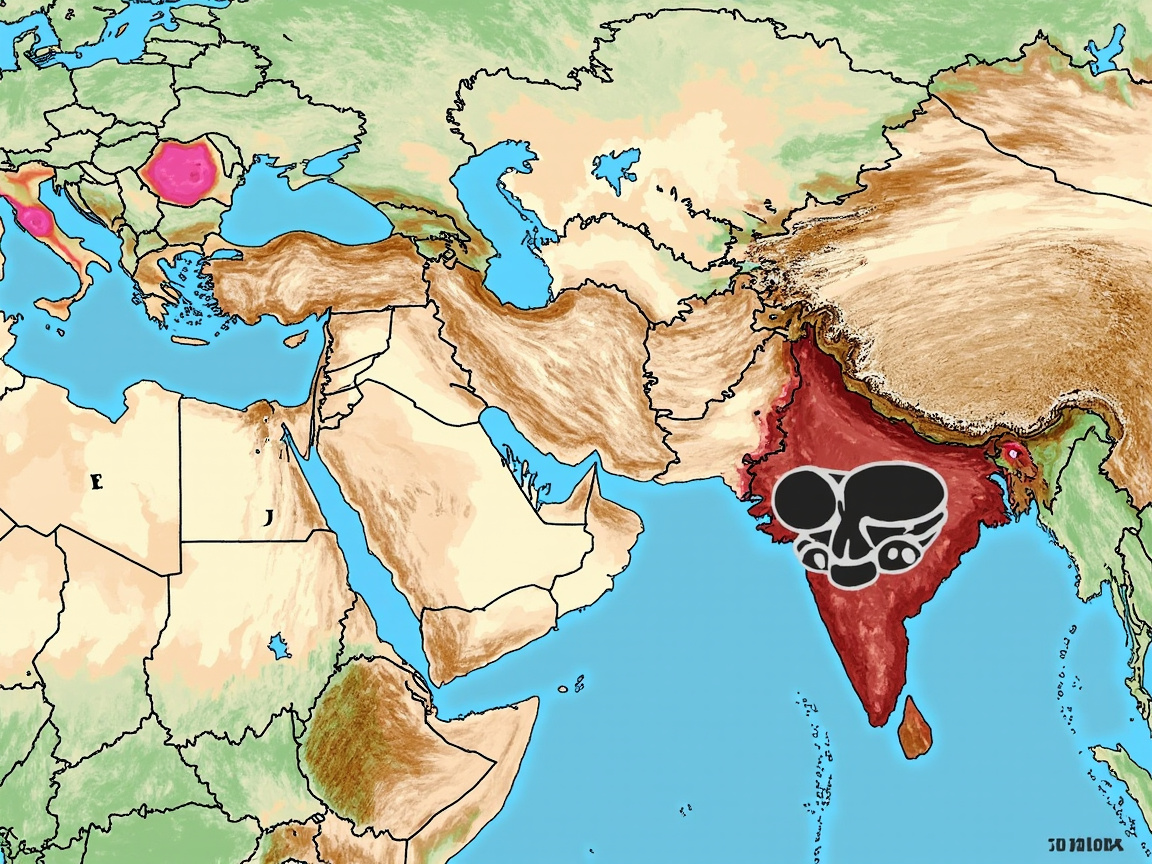
A U.S. missile strike hit a school in Iran this week, killing over a hundred children. Pope Francis condemned the attack, and Iran has officially stated it will carry out military retaliation by April 30. The fuse is lit on a geopolitical powder keg, yet global markets—especially crypto—are showing almost no reaction. Bitcoin’s price hasn’t budged, and stablecoin volumes remain subdued.
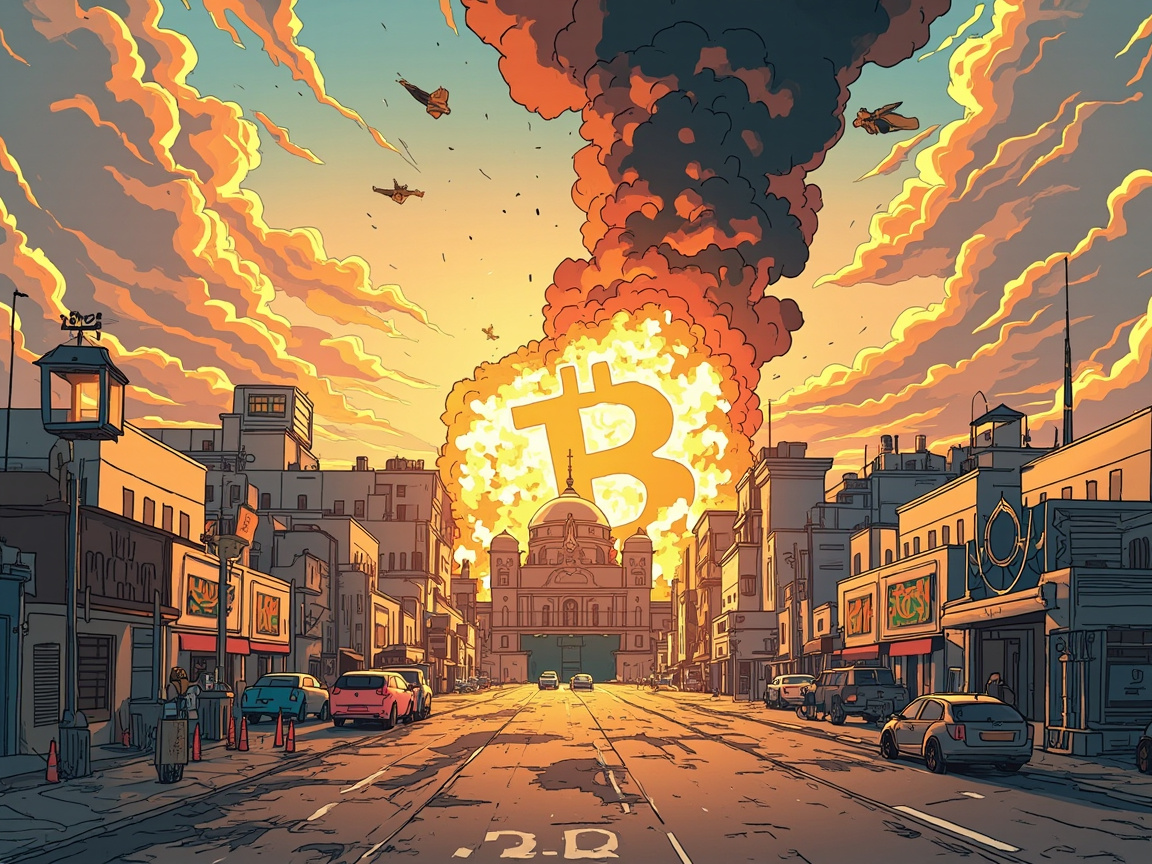
On the surface, this looks like another escalation in Middle East tensions. But the real story lies deeper: when a “100% certain” military response is on the calendar, and markets choose to ignore it, that’s not calm—it’s a warning sign. Risk pricing has temporarily stalled.
## What Is the Market Waiting For? The First Real Bullet
Iran isn’t predicting retaliation; it’s announcing it. Yet Bitcoin charts show flatlines.
Traders aren’t oblivious. They know conflict is coming. But because the outcome is so uncertain—how hard will Iran hit back? Will the U.S. counter? Could this spiral into regional war?—the smart money is waiting. Waiting for the first missile to launch, for “will happen” to become “is happening.” That’s when panic crystallizes and capital moves.
This quiet isn’t safety. It’s the oppressive stillness before the storm.
## Why This Time Is Different: A Tactical Blunder Unleashes Political Fury
The strike on the Minab school appears to be based on outdated U.S. intelligence—a tactical error, not a strategic strike.
And that’s what makes it dangerous.
Planned military actions have boundaries and playbooks. But a mistake that kills children ignites public rage. With the Pope condemning the attack and Iranian streets boiling, Tehran’s response may no longer be about “how much to hit back” but “how much is needed to appease fury.” The calculus shifts from strategy to political survival.
Markets hate unpredictable variables like this.
## Watch These Three Signals—Not Price Charts
Right now, price action is noise. Focus instead on:
**1. Iran’s domestic political thermometer**
If retaliation stays confined to military channels, de‑escalation remains possible. But if protests erupt, hardliners seize the moment, or leadership fractures publicly—this stops being a border skirmish and becomes a regime crisis. At that point, no asset is safe.
**2. Washington’s next move**
Biden is trapped. Escalation risks full‑scale war; backing down invites domestic criticism. Watch for either Middle East troop surges (bad for all risk assets) or urgent diplomatic outreach (which might offer brief relief).
**3. Oil price anomalies**
Bitcoin and crude have grown more correlated. If Iran moves to block the Strait of Hormuz, if Saudi oil facilities are targeted, or if oil spikes 10%+ in a day—don’t wait. Safe‑haven flows will hit crypto fast. That’s when USDC liquidity gets truly tested.
## The Danger of Silent Periods: Should You Be Greedy When Others Are Fearful?
“Be greedy when others are fearful” sounds wise—until you’re reaching for steam under a pressure‑cooker valve.
Fear is present now, but it’s pent‑up, not yet released. Jumping in early means betting against an explosion of variables.
The real opportunity isn’t when others are fearful, but *after* they’ve panicked.
Wait for Iran’s first retaliatory strike. Wait for the initial wave of market selling. Wait to see if USDC faces—and withstands—a liquidity squeeze. *Then* start looking for entries. Geopolitical shocks don’t destroy Bitcoin; they accelerate capital reallocation between traditional and crypto markets. But that reallocation always involves blood first, then turnover.
## One Final Reality Check
April 30 isn’t an end date—it’s a starting gun. The real story begins *after* Iran’s missiles fly. Today’s market silence isn’t resilience; it’s indecision about which way to run.
Your job isn’t to predict the direction. It’s to prepare an exit plan: check leverage, confirm stablecoin on‑ramps, and decide whether to protect capital or hunt rebounds when chaos hits. When a geopolitical black swan arrives, survival comes before profit.
Remember: when everyone’s watching the calendar, danger often ticks from the second hand they’ve ignored.
DISCLAIMER:
1. All content on this website (including but not limited to articles, data, charts, and analyses) is for general informational purposes only and does not constitute any form of investment advice, trading recommendation, or financial guidance.
2. Cryptocurrencies and digital assets are subject to extreme price volatility and high investment risk; you may lose part or all of your principal. Past performance does not predict future results.
3. The information on this website is based on sources we believe to be reliable, but we do not guarantee its accuracy, completeness, or timeliness. Any investment decisions made based on this website’s information are at your own risk.
4. We strongly recommend that you conduct your own thorough research and consult an independent, licensed financial advisor before making any investment decisions.