U.S. Seizes Iranian Tanker: Prediction Markets Price 6% Chance of War by Year-End
2026-04-20 06:14:22
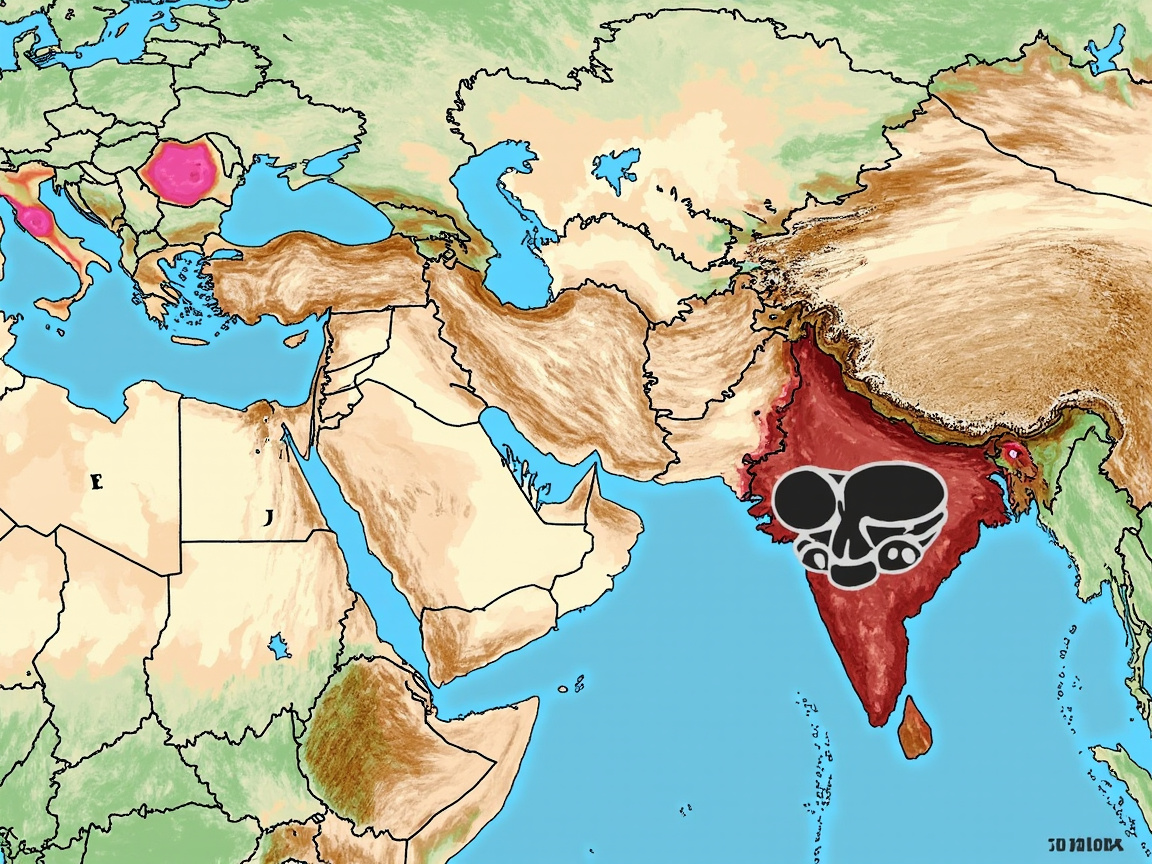
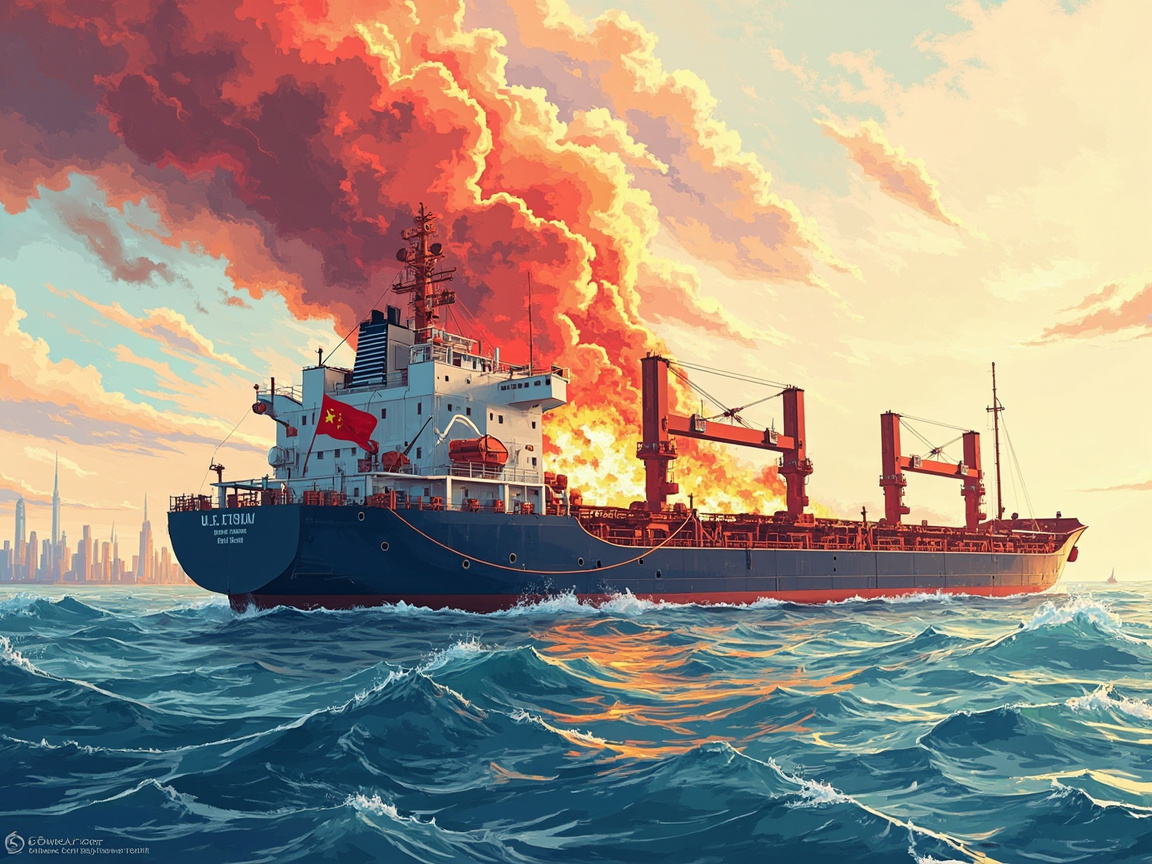
The U.S. Navy seized the Iranian tanker *Tuska* near the Strait of Hormuz this week, with analysts warning the move could escalate toward open conflict. On the surface, it's another geopolitical friction point. But the real signal comes from prediction markets—where contracts on "the U.S. formally declaring war on Iran by December 31, 2026" have jumped from 0% to 6% on Polymarket.
**What the 6% Price Actually Means**
This isn't pricing imminent war. Short-term contracts (expiring April 30, 2026) show just 0.4% probability—traders don't believe in near-term escalation. The 6% for year-end contracts reflects the market's assessment of *slow-burning risk*: the gap represents the cost of time as tensions accumulate.
Traders are betting with real money that while war won't break out tomorrow, the fuse is visibly burning.
**Why 6%, Not 60%?**
Formal war declaration requires U.S. Congressional approval—a high institutional barrier the market understands. The 6% essentially prices the probability that months of friction could force Congress to seriously consider it.
More critically, shipping disruptions in the Strait of Hormuz aren't one-off events but continuous pressure tests. Each incident chips away at market patience, and that 6% encapsulates this gradual, sustained anxiety.
**What Crypto Investors Should Watch**
Monitor two things: the spread and the triggers.
- **The spread** between short-term (0.4%) and long-term (6%) contracts. A widening gap means markets see higher risk over time. If short-term contracts spike suddenly, that's the real alarm—suggesting an event made traders think "we can't wait."
- **Triggers to watch**:
- **Congressional moves**: Hearings, draft resolutions, or bipartisan letters on Iran could push contract prices higher.
- **Iran's response**: Reciprocal seizures, military exercises, or minor clashes would shift pricing from "slow burn" to "potential explosion."
- **Political rhetoric**: If Trump or key officials openly discuss "military options," don't expect prices to stay at 6%.
**Why This Matters for Crypto**
Geopolitics isn't just spectator sport for crypto markets.
1. **Energy choke point**: The Strait of Hormuz handles 20% of global oil shipments. Any sustained disruption affects crude supply, inflation expectations, and potentially the Fed's rate path—the most sensitive nerve for crypto markets today.
2. **Prediction markets as signal**: Instead of parsing news or guessing intentions, we can now watch contract prices. That 6% isn't analyst speculation—it's traders voting with capital. It's often more honest than commentary.
3. **Slow escalation grinds markets**: Immediate war would be priced quickly. But "monthly seizures, quarterly standoffs" create lingering uncertainty that gradually seeps risk premiums into all asset prices.
**What Comes Next?**
Expect a "two steps forward, one step back" pattern: seizure → protest → negotiation → temporary calm → repeat. Both sides will avoid direct military conflict while refusing to back down.
Prediction markets will serve as the best thermometer here. If contracts climb from 6% toward 10%, friction is meaningfully escalating. A drop below 3% suggests temporary control.
But remember: as long as Hormuz shipping remains unstable, that 6% floor likely holds. The market has priced in that once lit, this fuse won't easily extinguish.
**Bottom Line**
Don't expect quick resolution. This has evolved from an incident into a prolonged geopolitical stress test.
For investors, the key isn't predicting "will there be war?" but observing *how market fear gets priced*. That 6% contract is the fear gauge.
When the gauge moves, you should too.
DISCLAIMER:
1. All content on this website (including but not limited to articles, data, charts, and analyses) is for general informational purposes only and does not constitute any form of investment advice, trading recommendation, or financial guidance.
2. Cryptocurrencies and digital assets are subject to extreme price volatility and high investment risk; you may lose part or all of your principal. Past performance does not predict future results.
3. The information on this website is based on sources we believe to be reliable, but we do not guarantee its accuracy, completeness, or timeliness. Any investment decisions made based on this website’s information are at your own risk.
4. We strongly recommend that you conduct your own thorough research and consult an independent, licensed financial advisor before making any investment decisions.