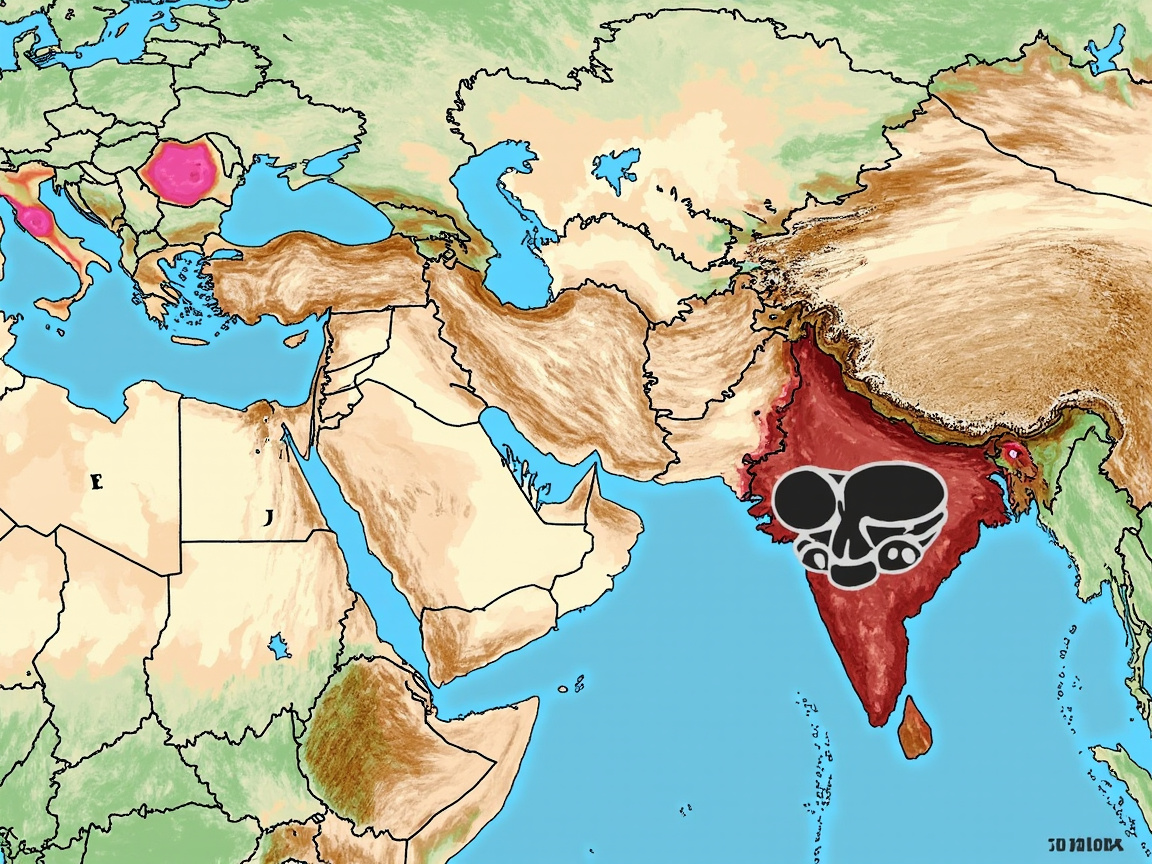
Mid-East Conflict Heats Up: How Bitcoin Traders Are Betting on Geopolitics
2026-04-20 04:44:09
The U.S.-Israel conflict with Iran has entered its second month, claiming thousands of lives and beginning to ripple through global energy supplies. On the surface, this looks like traditional geopolitical turmoil. But the real story is how crypto markets are pricing this uncertainty in real-time—with prediction market odds jumping from 4% to 14% in just 24 hours.
## Odds Don't Lie
At 11:31 AM on April 21, the market surged 7 points in a single day. This isn't technical analysis or fundamental valuation—it's traders voting with their wallets: they believe the conflict will escalate.
Total notional trading volume reached $84,332, but the actual USDC value was just $5,742. In this tiny market, a $709 move can shift prices by 5 points. Liquidity is paper-thin, but the signal is sharp as a knife.
**Key number:** Buying YES tickets costs just 14 cents. If Israel takes military action within three days, holders get $1—a 7.14x return. This isn't a lottery; it's a bet on a specific event requiring "concrete, identifiable military action" by Israel.
## Where the Knife Cuts
While traditional markets debate whether oil will hit $100, crypto markets have delivered a more direct answer: geopolitical risk is being rapidly repriced.
That 10-point jump from 4% to 14% tells us two things:
1. Market sentiment can shift instantly—a single tweet or speech can change expectations
2. Current pricing remains low—if full-scale conflict erupts, 14% odds might still be conservative
Energy disruptions directly affect trader decisions, but the deeper implication is this: **When traditional safe havens (gold, dollars) react slowly, prediction markets become the most sensitive thermometer.**
## What to Watch Next
Stop staring at oil futures curves—that's already second-hand information. Here's what actually matters:
**1. Netanyahu's mouth**
Any statement from Israel's prime minister—especially language hinting at "escalation," "retaliation," or "red lines"—could send odds jumping another 10 points.
**2. Unexpected military moves**
Drone incursions, missile tests, troop movements—these concrete actions matter more than any analyst report.
**3. Large orders**
With thin trading volume, a few thousand dollars in buy orders can move prices 5 points. If someone suddenly piles into YES bets, they might know something.
## Practical Takeaways for Traders
This isn't a macroeconomics seminar—it's a field manual.
**If you trade Bitcoin:** Geopolitical risk typically helps BTC—not because of "digital gold" narratives, but because increased market volatility creates arbitrage opportunities. Liquidity flows from altcoins to BTC, and volatility derivatives become more active.
**If you play prediction markets:** Remember their characteristics:
- Odds move faster than news
- Small capital can create big swings
- Noise increases as expiration approaches
Current 14% odds suggest the market sees low probability of escalation—but if it happens, bettors stand to make 7x. This is classic "high odds, low probability" gambling, suited for risk-tolerant players.
**Biggest caution:** The market is dangerously thin. With just $5,742 in actual trading volume, a single whale could manipulate prices. Don't treat prediction market signals as gospel—they're just emotion amplifiers.
## The Bottom Line
Geopolitics has never been Bitcoin's enemy—it's fuel. When Iran's general was assassinated in 2019, BTC rose 10%. When Russia invaded Ukraine in 2022, BTC dipped then rallied.
What's different this time: **We now have real-time pricing tools.**
No need to wait for oil inventory reports or guess the Fed's response—the odds are right there: 14%, black and white.
Results arrive in three days. If Israel acts, current bettors win. If not, that 14% becomes historical data reminding us: Markets always swing between fear and greed, and the smartest money often places bets before others react.
Watch the odds, but don't be ruled by them. The real opportunity isn't in prediction markets themselves, but in the crowd psychology they reveal—when everyone's staring at the Middle East map, maybe it's time to look elsewhere.
DISCLAIMER:
1. All content on this website (including but not limited to articles, data, charts, and analyses) is for general informational purposes only and does not constitute any form of investment advice, trading recommendation, or financial guidance.
2. Cryptocurrencies and digital assets are subject to extreme price volatility and high investment risk; you may lose part or all of your principal. Past performance does not predict future results.
3. The information on this website is based on sources we believe to be reliable, but we do not guarantee its accuracy, completeness, or timeliness. Any investment decisions made based on this website’s information are at your own risk.
4. We strongly recommend that you conduct your own thorough research and consult an independent, licensed financial advisor before making any investment decisions.