U.S.-Iran Peace Deal Odds Crash 20%: Markets Bet Against Last-Minute Breakthrough
2026-04-19 10:44:30
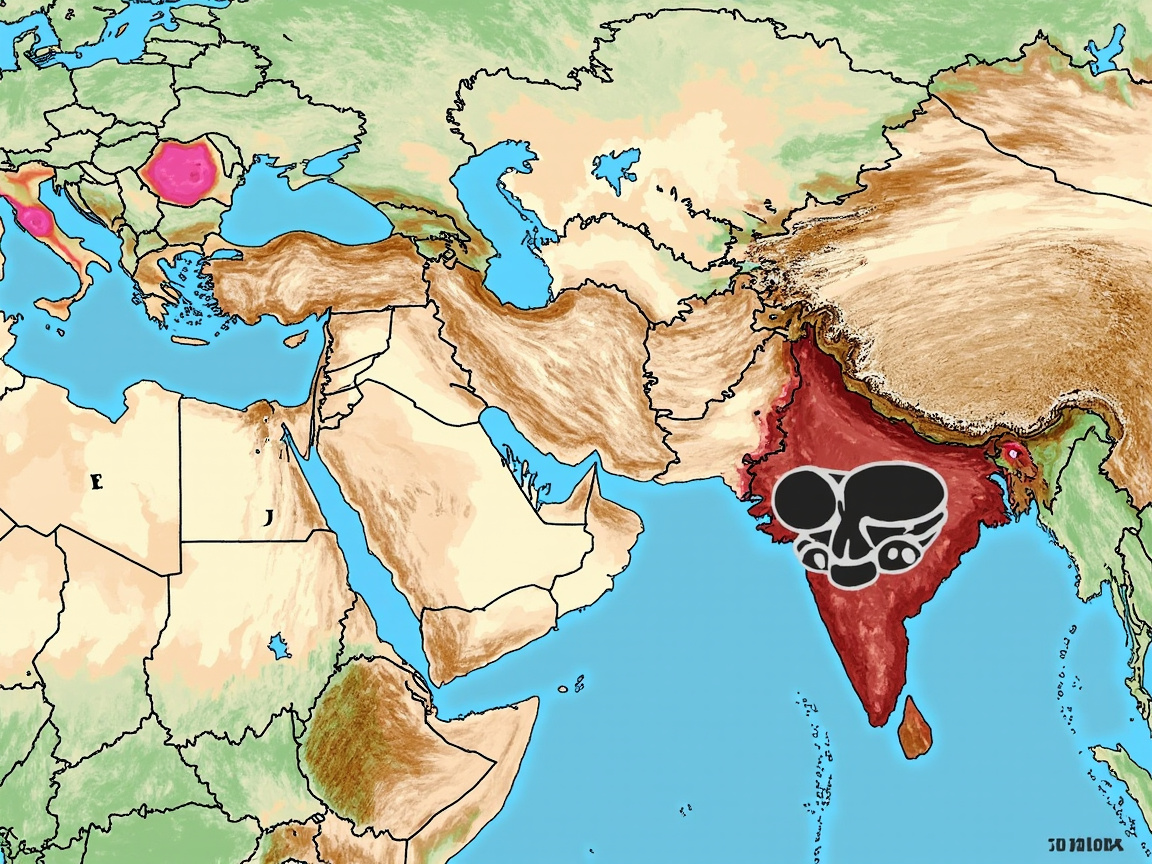
The White House just confirmed U.S.-Iran peace negotiations will continue in Pakistan, aiming for a permanent deal by April 22, 2026. On the surface, diplomatic progress continues. But here’s the only layer that matters: **prediction markets are voting with real money—and they’re betting heavily against success.** Odds of a deal crashed overnight from 40% to 19.5%.

## A 20-Point Plunge: The Market Has Already Voted
These aren’t analyst guesses—they’re consensus built with cash. Yesterday, 40% believed a deal was possible; today, fewer than one in five do. That 20-point drop isn’t noise; it’s the market shouting: **“Continued talks” means “continued deadlock.”**
With $587,370 in daily volume (USDC-denominated), moving the odds 5 points requires $9,449 of real money. A 20% collapse signals serious capital fleeing the “deal” option.
Diplomatic language can be fuzzy; money flow doesn’t lie.
## Why the Pessimism? The Four-Day Countdown Is a Reverse Signal
Four days until the supposed deadline. In political negotiations, countdowns often signal **stalemate**, not sprint.
At 19.5% odds, betting $0.20 on “deal” pays $1 if it happens—a 5x return. Tempting? Only if you truly believe a miracle occurs in the final 96 hours. Most traders don’t.
The sticking point is clear: Will Trump accept Iran’s demands? Zero concrete details have leaked—just “talks continue.” On the negotiation table, “continuing talks” is often code for “no agreement.”
## What to Watch Next: Ignore Words, Follow Actions
Any official statements, delegation moves, or Islamabad leaks could move prices in these final days. But the key isn’t whether news emerges—it’s **the substance behind it.**
- If it’s just “constructive talks” or “both sides remain engaged,” that’s likely noise—odds may keep drifting lower.
- If specific terms get confirmed, key figures change travel plans, or one side softens its stance—that’s when markets will react.
The window is tight. Going from deadlock to breakthrough in four days requires massive external pressure. None is visible yet.
## For Investors: Liquidity Exists, Direction Is Murky
This market has enough liquidity to move in and out. The problem: **direction is extremely hard to call.**
Betting “deal” offers high payout but low probability; betting “failure” pays little. In this setup, rational money stays on the sidelines or hedges lightly.
If you jump in, remember:
1. Don’t get fooled by the “deadline”—political talks routinely blow past cutoff dates.
2. Real volatility comes from tangible moves, not diplomatic speak. Watch Trump and Iranian delegation schedules, keyword shifts in speeches—that beats press conferences.
## Bottom Line: The Market’s Mid-Term Verdict Is In
A drop to 19.5% isn’t a blip—it’s the market collectively pricing “four-day breakthrough” as a long shot. Barring a dramatic twist, the odds of a deal by April 22, 2026, are now a low-probability event.
Any remaining volatility will fine-tune *how unlikely* it is, not debate *if it’s possible*. For most investors, the core play is over—markets crashed early, turning the final days into a wait for the official score.
DISCLAIMER:
1. All content on this website (including but not limited to articles, data, charts, and analyses) is for general informational purposes only and does not constitute any form of investment advice, trading recommendation, or financial guidance.
2. Cryptocurrencies and digital assets are subject to extreme price volatility and high investment risk; you may lose part or all of your principal. Past performance does not predict future results.
3. The information on this website is based on sources we believe to be reliable, but we do not guarantee its accuracy, completeness, or timeliness. Any investment decisions made based on this website’s information are at your own risk.
4. We strongly recommend that you conduct your own thorough research and consult an independent, licensed financial advisor before making any investment decisions.