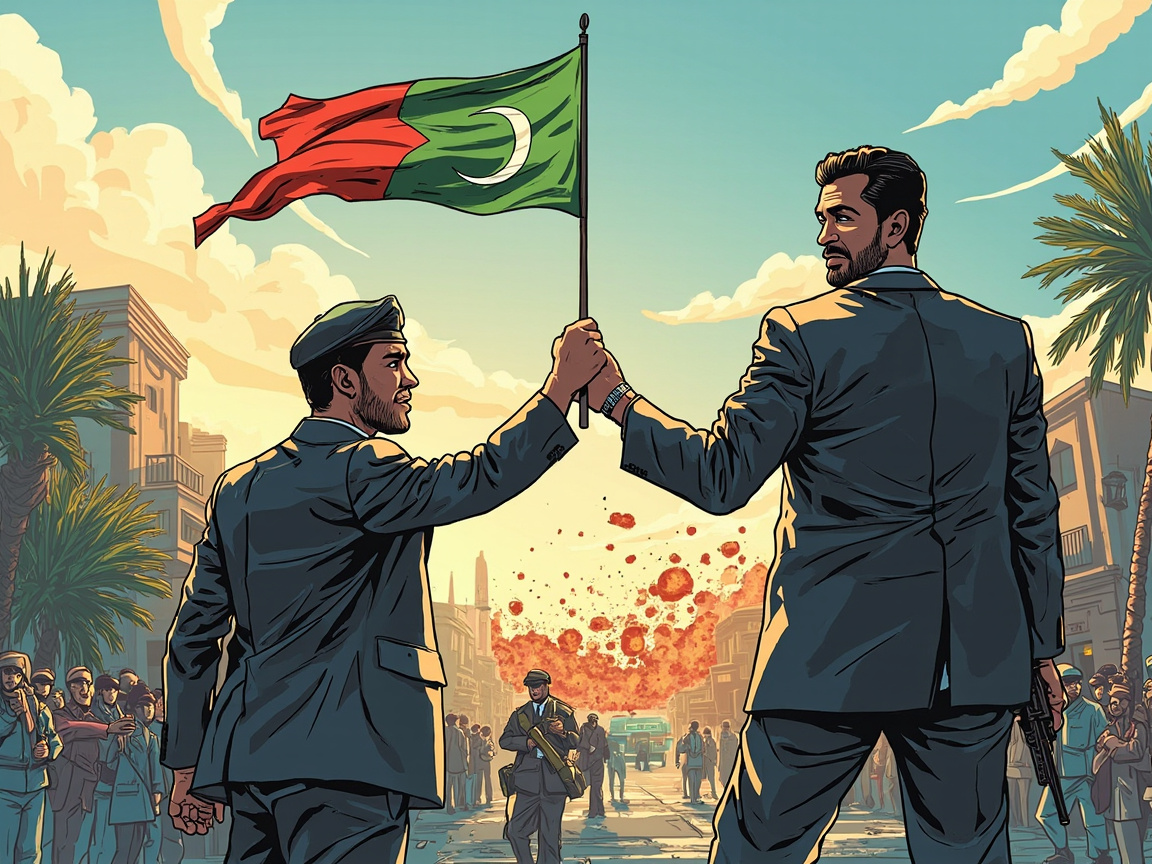
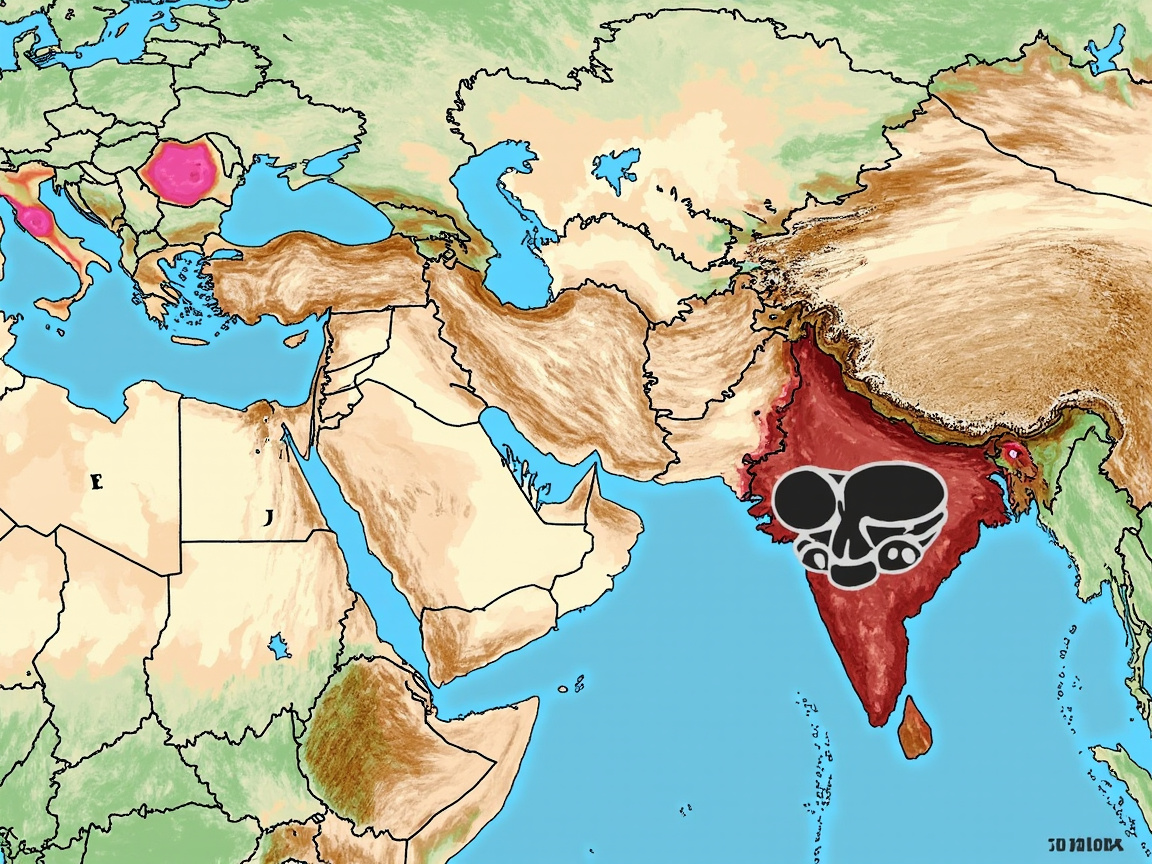
**A French peacekeeper was killed and three others wounded in southern Lebanon this week**—another Middle East headline that might seem routine until you look beneath the surface. This attack, blamed on non-state actors linked to Hezbollah, isn't just another border incident. It's a direct stress test of the ceasefire between Israel and Hezbollah, and markets are already responding with silent alarm.
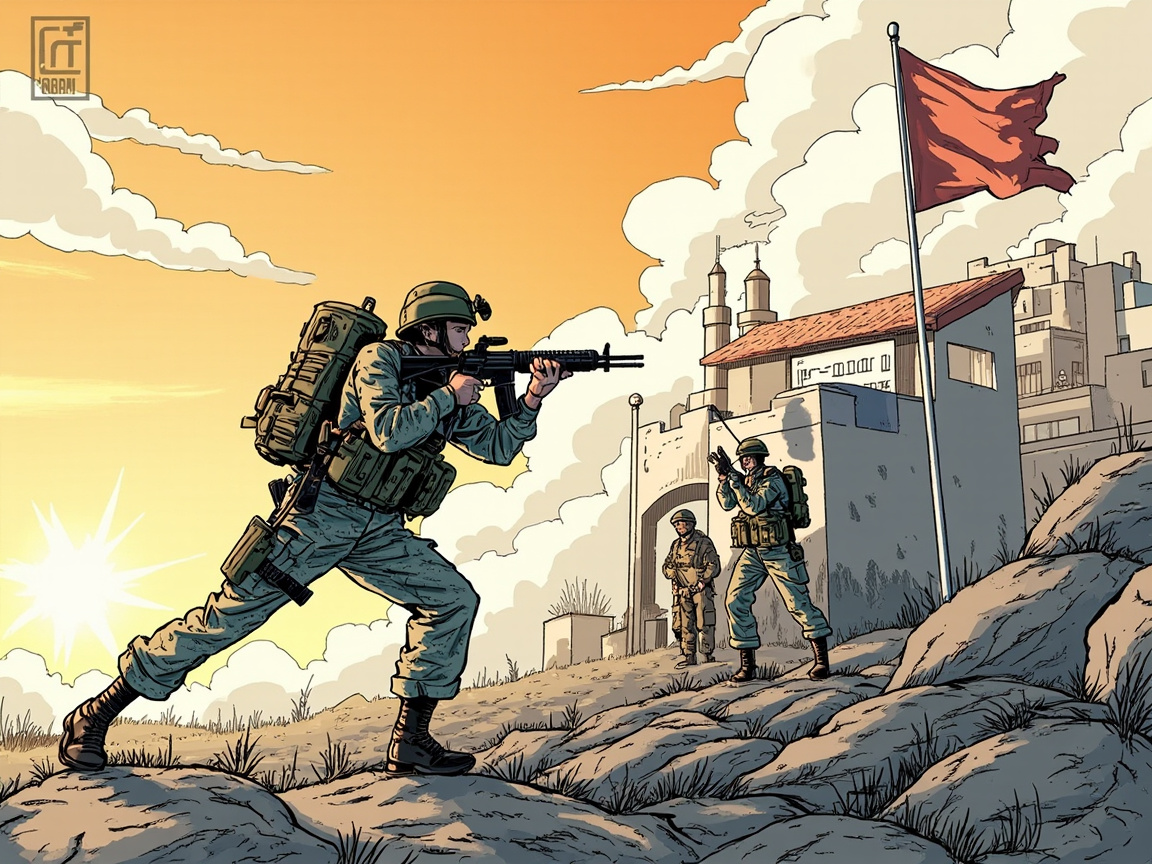
## The Ceasefire Is Failing, and Markets Know It
This marks the third UNIFIL casualty in weeks, revealing what prediction markets have been whispering: while April 30 and June 30 ceasefire maintenance probabilities show 100%, **trading volume is zero**. No liquidity means no conviction—markets aren't betting real money on this truce holding. When peacekeepers monitoring the agreement become targets, the ceasefire's foundation cracks.
## Why This Cuts Deep
The attack hits the Middle East's most fragile pressure point. The Israel-Hezbollah arrangement was always a temporary truce, not lasting peace. For crypto, it activates the transmission channels that matter: dollar strength, oil prices, and Treasury flows. Bitcoin doesn't trade on Middle East headlines directly, but it feels the tremors through these conduits.
## Watch These Two Signals Next
1. **Statements from Israeli PM Netanyahu and Hezbollah leadership**—any hardened rhetoric or military posture shifts could snap the market's tense equilibrium.
2. **The attack investigation**—if the UN or France produces clear evidence pointing to Hezbollah, Israel's response (restraint or escalation) will dictate the next market move.
## This Isn't Short-Term Noise
Attacking ceasefire monitors challenges the agreement's legitimacy itself. Markets fear rule-breaking more than known risks. When the region's primary stability mechanism proves fragile, capital re-prices Middle East risk premiums globally—and crypto won't be exempt.
## What This Means for Your Portfolio
If the ceasefire collapses, traditional playbooks suggest dollar and Treasury rallies with risk-asset pressure. But watch for a new variable: escalating Middle East tensions could accelerate *de-dollarization* narratives, potentially diverting some safe-haven flows directly into crypto assets.
This doesn't guarantee a Bitcoin rally. It means **geopolitical risk structures are shifting**, and your positioning needs to adapt. Consider trimming exposure or adding hedges—don't wait for missiles to fly.
## Remember: Zero-Liquidity Markets Fear the First Big Order
Prediction markets show 100% probability with no trades. The first large "NO" bet would collapse that facade instantly. Crypto markets mirror this dynamic—while Middle East tensions aren't yet mainstream crypto topics, one substantive move from Hezbollah or Israel could trigger cascading sell orders.
## The Bottom Line
The peacekeeper attack is an early symptom of ceasefire failure. Markets have diagnosed it with zero liquidity; now we await clinical signs. For crypto, this means: (1) Middle East risk weights need upward adjustment, and (2) traditional safe-haven channels may partially fail, potentially re-pricing crypto volatility.
Don't wait for headlines to tell you what's happening. The market already has—that silent 100% is a scream.
DISCLAIMER:
1. All content on this website (including but not limited to articles, data, charts, and analyses) is for general informational purposes only and does not constitute any form of investment advice, trading recommendation, or financial guidance.
2. Cryptocurrencies and digital assets are subject to extreme price volatility and high investment risk; you may lose part or all of your principal. Past performance does not predict future results.
3. The information on this website is based on sources we believe to be reliable, but we do not guarantee its accuracy, completeness, or timeliness. Any investment decisions made based on this website’s information are at your own risk.
4. We strongly recommend that you conduct your own thorough research and consult an independent, licensed financial advisor before making any investment decisions.