Iran's Negotiation Theater: The $160 Oil Bet Reveals Where Smart Money Is Placing Its Chips
2026-04-19 07:12:21
## The Real Signal in the Noise
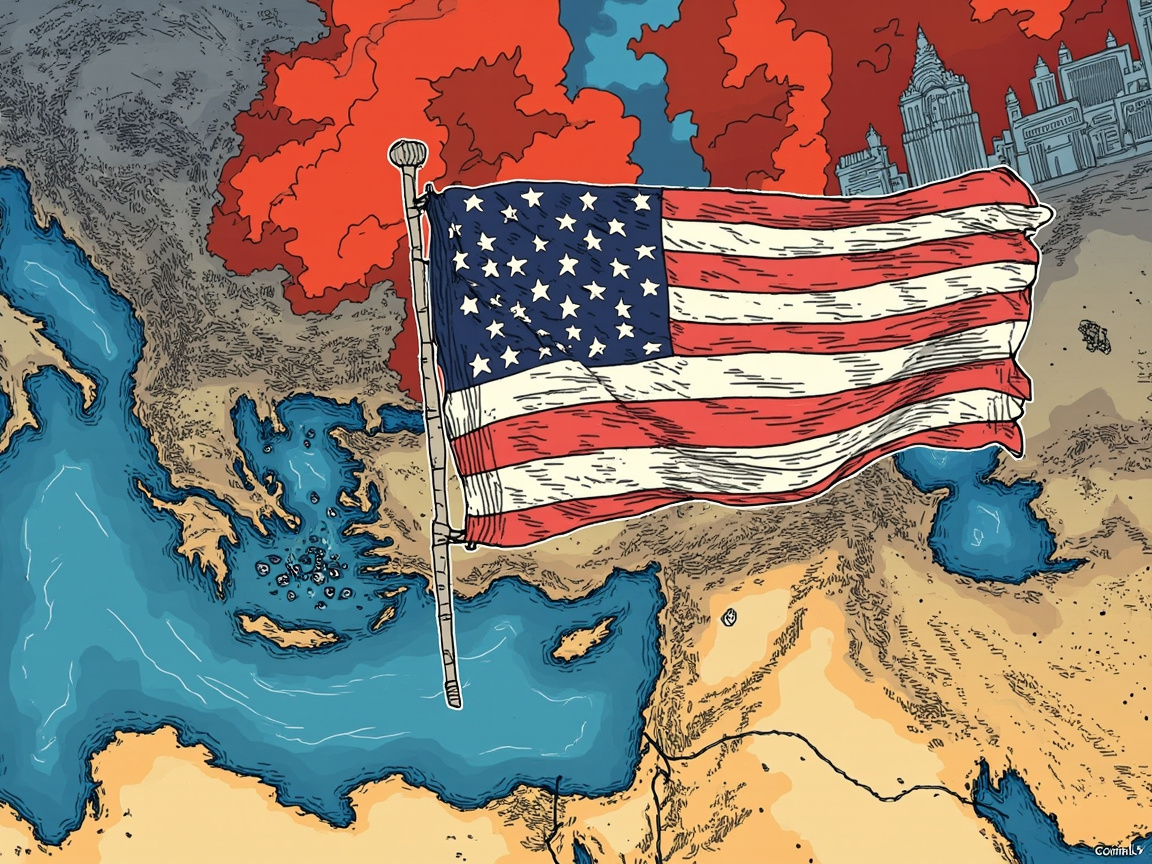
With the window for US-Iran diplomatic talks still technically open until April 30, WTI crude prices remain well below April's brief spike toward $160 per barrel. Iran's recent statements on the Strait of Hormuz have swung between hawkish and conciliatory—creating what looks like another round of geopolitical static.
But for crypto-native readers, the headline chatter is secondary. Watch where the real money is moving: two prediction markets where traders are betting with cold, hard cash. One wagers on WTI crude hitting $160; the other on whether the US and Iran will meet before month's end.
## The Market's Verdict: Skepticism
Recent data tells the story. WTI crude saw a modest 25-point bump recently, but it didn't hold. Thin order books show just $1,655 needed to move the price 5 points—a sign big capital isn't buying in.
The diplomatic meeting market is even quieter. Volume sits around $20,106, with order depth so shallow that $283 can shift odds by 5 points. The "yes" probability has dropped from 22% to 13%, a brief 6-point rally quickly snuffed out by traders voting with their wallets.
The message is clear: markets don't believe Iran will suddenly play nice, nor that tensions will explode enough to send oil to $160. This time, the geopolitical risk premium isn't selling.
## Two High-Leverage Bets on the Table
**Bet #1: WTI crude at $160.** A "yes" share costs just 1.4 cents, paying out 71-to-1 if it hits. This isn't a bet on ordinary volatility—it's a wager that the Strait of Hormuz erupts, severing supply chains overnight.
**Bet #2: US-Iran talks by April 30.** A "yes" share runs 13 cents, offering roughly 7.7-to-1 returns. This one's subtler: it bets that within 12 days, both sides find a face-saving off-ramp.
Both markets are trading on surprise—one on a black swan, the other on diplomatic magic. Current prices suggest both are seen as unlikely, though the talks bet holds a faint glimmer of possibility.
## What Traders Should Monitor
Ignore Iranian officials' rhetoric—it's likely smoke. Watch these three triggers instead; any could spark sharp moves:
1. **Military activity in the Strait of Hormuz**—Actual ship/aircraft standoffs or blockade threats would immediately juice the oil bet.
2. **White House diplomatic outreach**—If the US announces an envoy or backchannel, the 13-cent talks bet would jump.
3. **Top-level rhetoric shifts**—Not minor officials, but Trump or Iran's Supreme Leader. A single softened or hardened line can reset expectations.
With order books this thin, minimal capital can trigger volatility. If you're trading oil futures or geopolitics-sensitive crypto assets, consider this your watchlist.
## What Comes Next?
Short-term, markets are in "watch-and-wait" mode. Iran's flip-flopping has burned through credibility. Unless one of the above triggers fires, WTI will likely range-trade—no sustained surge toward $160. That bet acts more like tail-risk insurance than a base case.
The 13% odds on talks reflect deep skepticism about a 12-day breakthrough. More probable: the window drifts closed, both sides posture, and any real meeting pushes past April 30—voiding that bet and shifting focus to the next deadline.
For crypto traders, the takeaway is practical: geopolitical events are becoming tradable products. Prediction markets price probabilities with real money, faster than headlines and cleaner than sentiment. Right now, they're saying—don't get spun by the news. Big money isn't betting on a near-term blow-up. The real risk lurks in those thin order books, waiting for a spark.
So keep it simple. Noise abounds, but the market's money vote is clear: doubt, don't follow, don't panic. Save your attention for when those real-money bets start twitching.
DISCLAIMER:
1. All content on this website (including but not limited to articles, data, charts, and analyses) is for general informational purposes only and does not constitute any form of investment advice, trading recommendation, or financial guidance.
2. Cryptocurrencies and digital assets are subject to extreme price volatility and high investment risk; you may lose part or all of your principal. Past performance does not predict future results.
3. The information on this website is based on sources we believe to be reliable, but we do not guarantee its accuracy, completeness, or timeliness. Any investment decisions made based on this website’s information are at your own risk.
4. We strongly recommend that you conduct your own thorough research and consult an independent, licensed financial advisor before making any investment decisions.