Zero Traffic in Hormuz Strait: How Geopolitical Shockwaves Are Fueling Bitcoin's Safe-Haven Nar
2026-04-19 05:49:11
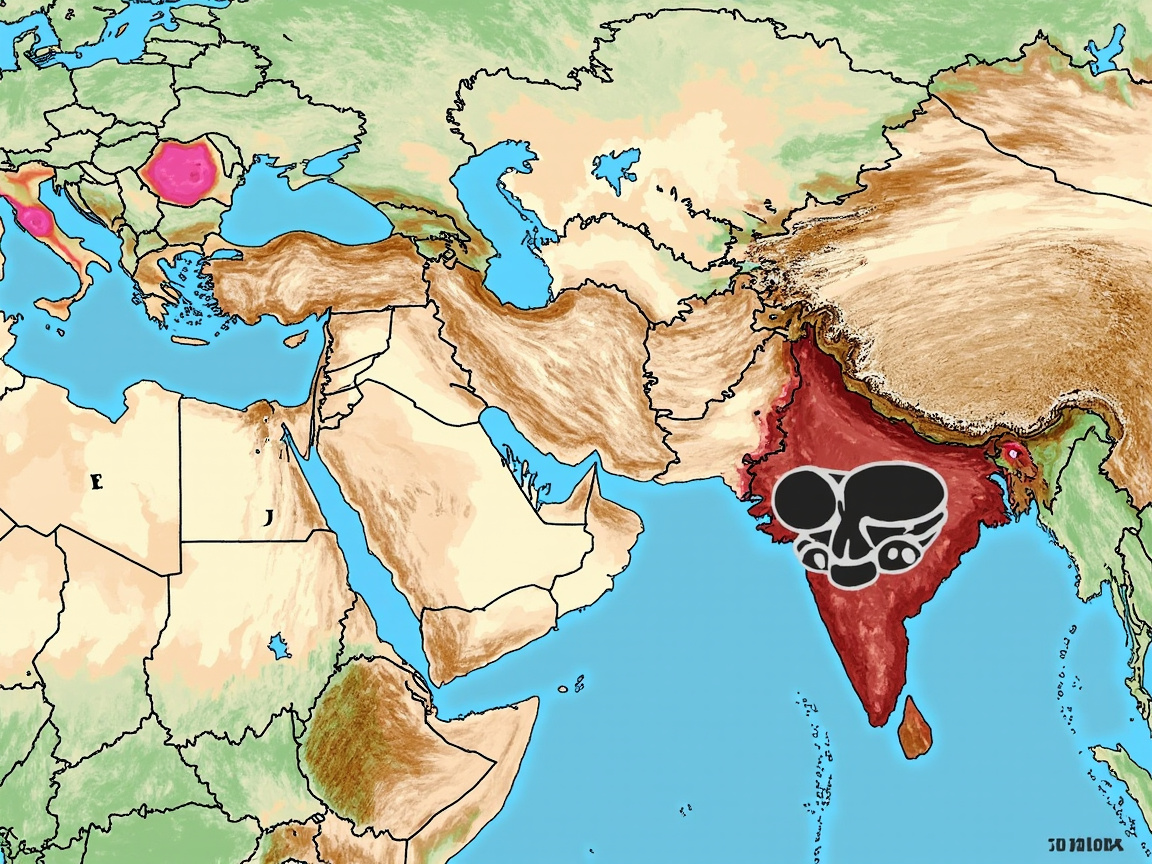
The U.S. Navy's USS Pinckney has effectively shut down Iranian maritime trade through the Hormuz Strait, with zero vessel passages recorded on Iran's side during April 6-12. While this appears as another U.S.-Iran standoff, the real story is how this geopolitical certainty is injecting fresh fuel into Bitcoin's safe-haven narrative.

**When Traditional Markets Freeze, Capital Finds New Channels**
"Zero traffic" isn't a prediction—it's a documented fact. For one week, the world's most critical energy chokepoint became functionally useless for Iran. Traditional shipping contracts showed 100% certainty with zero trading volume: no ships meant no profits.
But capital doesn't disappear; it migrates. When physical channels get blocked, money flows toward alternative exits. Historical patterns show Bitcoin-gold correlations often spike during Middle East tensions. This isn't coincidence—it's capital testing digital assets as global, non-sovereign, 24/7 alternatives.
What's different this time is **certainty**. Not "potential conflict" but "blockade active, results locked." This certainty amplifies uncertainty about what comes next: Will it continue? Escalate? Spread? This anxiety—moving from known facts to unknown risks—drives narrative shifts.
**What to Watch: Follow the Money, Not the Headlines**
For investors, focus on capital flows, not geopolitical drama:
1. **Traditional safe-haven congestion**: When gold and Treasuries face liquidity discounts or trading delays during volatility, some capital seeks alternatives. Watch for crypto becoming a supplementary option—not replacement, but overflow.
2. **Bitcoin on-chain signals**: Monitor unusual stablecoin-to-BTC conversions during Western trading hours, especially patterns that don't align with normal volatility. Geopolitical money moves cautiously but leaves traces.
3. **Narrative shift**: The market story is slowly adding "global instability" weight alongside "Fed rate cuts." If blockades persist, "digital gold" and "sovereign risk hedge" narratives gain real-world validation no analyst report can match.
**Two Paths Forward: Short-Term Spike vs. Long-Term Reset**
Either escalation or diplomatic resolution:
- **Escalation** brings clear "risk-on" signals, potentially causing Bitcoin price spikes. The key question: Can gains hold? That depends whether inflows represent speculative flips or genuine "concern capital" seeking long-term positioning.
- **Diplomatic resolution** brings relief rallies, but the memory remains. This event serves as a stress test proving critical corridors can be zeroed out. Once global capital internalizes this, interest in decentralized value storage grows subtly but persistently.
**The Real Cut: Trust in Centralized Systems**
Ultimately, this reveals traditional systems' single-point failures: one strait, one navy, can halt a nation's trade overnight. This "certainty of blockade" contrasts starkly with Bitcoin's permissionless, censorship-resistant global settlement network.
It might not trigger an immediate bull run, but it forces reevaluation: When physical channels close, does a digital value highway remain open? That question embodies Bitcoin's core proposition.
Forget complex models. Geopolitics is teaching crypto a lesson titled "When Centralized Corridors Fail." Smart money is already studying the next chapter.
DISCLAIMER:
1. All content on this website (including but not limited to articles, data, charts, and analyses) is for general informational purposes only and does not constitute any form of investment advice, trading recommendation, or financial guidance.
2. Cryptocurrencies and digital assets are subject to extreme price volatility and high investment risk; you may lose part or all of your principal. Past performance does not predict future results.
3. The information on this website is based on sources we believe to be reliable, but we do not guarantee its accuracy, completeness, or timeliness. Any investment decisions made based on this website’s information are at your own risk.
4. We strongly recommend that you conduct your own thorough research and consult an independent, licensed financial advisor before making any investment decisions.