Ceasefire Consensus Cracks as Israeli Artillery Strikes Lebanon
2026-04-19 00:35:50
**The April 16 Israel-Hezbollah ceasefire was priced at 100% success in prediction markets—a perfect bet on peace. But Israeli artillery fire in southern Lebanon just before the April 30 deadline has shattered that calm.**
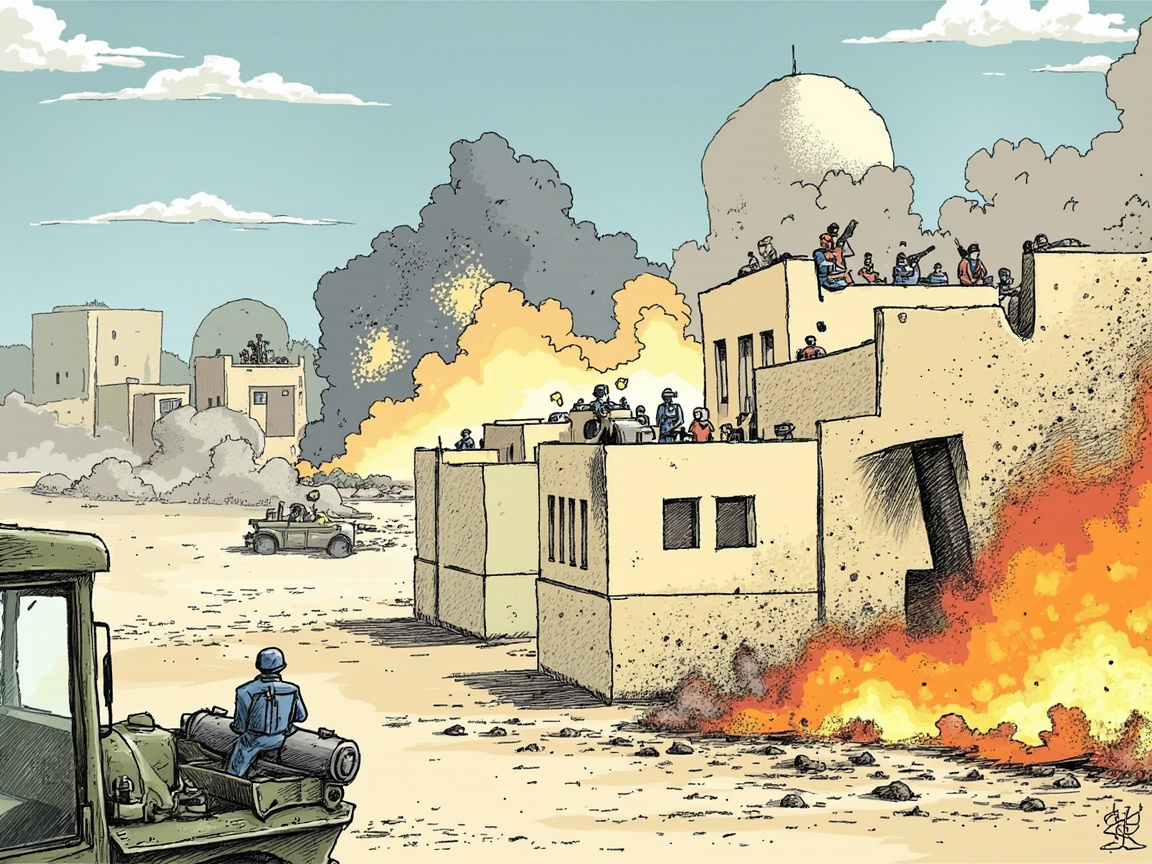
This isn't just another flare-up in regional conflict. **The real story is that the market's 100% consensus is taking its first direct hit.**
### Markets Priced Perfection, Reality Delivered Artillery
Before the shelling, prediction markets showed a 100% probability the ceasefire would hold through April 30. Traders had voted with capital, leaving zero room for failure in the pricing.
Now, that consensus looks fragile. Trading volumes in related markets have dropped to zero—**a consensus without liquidity is a skyscraper without foundations.** Any new order, however small, could trigger violent price swings.
Markets priced peace, but Middle East geopolitics doesn't follow financial scripts.
### Where the Shells Landed: On Market Confidence
This isn't random skirmishing. It's **the first real stress test of the April 16 agreement**—just two weeks after signing.
Context matters: Iran is moving to re-block the Strait of Hormuz. This isn't isolated; it signals systemic regional pressure rising.
When markets express absolute confidence with 100% pricing, reality responds with artillery: **In geopolitics, nothing is certain.**
### What to Watch Next: Three Signals
1. **Watch the rhetoric from Netanyahu and Hezbollah leadership.** Any official acknowledgment of violating the ceasefire or announcing further military action will directly break the 100% consensus. Official statements move prices first.
2. **Watch the Pentagon's response.** U.S. posture toward Iran's actions will directly force repricing of these contracts. Deeper U.S. involvement means greater uncertainty, making 100% consensus unsustainable.
3. **Watch for the first trade.** Zero volume is dangerous calm. Once someone trades—even a small order—it could trigger chain reactions. Everyone knows 100% is untenable; nobody wants to be first to adjust.
### The Contrarian Play: When Consensus Breaks
A clear contrarian opportunity emerges here:
If hostilities escalate and the ceasefire breaks before April 30, buying the "no" outcome (ceasefire fails) at near-zero prices could deliver outsized returns.
But this isn't risk-free arbitrage—**it's risk for odds.**
The market prices success at 100%, meaning failure is priced near zero. If this shelling is just a contained incident and the ceasefire holds, the bet goes to zero. If it's the start of systemic breakdown, the payoff could be significant.
The key judgment: **Is this controlled friction, or the beginning of collapse?**
### Ceasefire Fragility Is Market Pricing Fragility
The ceasefire's fragility directly impacts broader regional stability, which directly impacts these prediction contracts.
Markets now face an awkward standoff: Everyone knows 100% is wrong, but nobody wants to adjust first—whoever moves risks being "wrong" on pricing.
This won't last.
Either reality worsens with more shelling, forcing repricing, or parties de-escalate quickly, making 100% look "wrong but right in the end."
### Reality Check: The Consensus Has Cracked
**The 100% consensus price has cracked—it just hasn't shown in trading yet.**
This shelling isn't the end; it's the start—testing both the agreement's resilience and the market consensus's strength.
Over the next two weeks, any new conflict could be the final straw. Once the first "no" buy order hits, repricing could be swift and severe.
Investors should watch **concrete developments**, not macro frameworks: Where does conflict erupt next? What's the tone of official statements? Is the U.S. making new moves?
These specific signals will tell you how long this 100% consensus can hold.
Geopolitics doesn't respect financial market pricing. When artillery fires, markets redraw their perfect curves.
DISCLAIMER:
1. All content on this website (including but not limited to articles, data, charts, and analyses) is for general informational purposes only and does not constitute any form of investment advice, trading recommendation, or financial guidance.
2. Cryptocurrencies and digital assets are subject to extreme price volatility and high investment risk; you may lose part or all of your principal. Past performance does not predict future results.
3. The information on this website is based on sources we believe to be reliable, but we do not guarantee its accuracy, completeness, or timeliness. Any investment decisions made based on this website’s information are at your own risk.
4. We strongly recommend that you conduct your own thorough research and consult an independent, licensed financial advisor before making any investment decisions.