• Thai-listed company DV8 has announced plans to build a corporate treasury of 10,000 Bitcoin.
• DoorDash, Chainlink & Oblong Market Shifts Guide (2026)
• Blockchain AI Convergence: Fact-Check & Market Guide (2026)
• Polygon's mainnet will undergo the Giugliano upgrade on April 8.
• PsiQuantum has started building its million-qubit quantum facility. Scientists say a machine this po
• Anthropic Discontinues Subscription Support for Third-Party Tools
• XRP ETF Forecasts & Bitmine’s $20B ETH Bet: 2026 Analysis
• Crypto & Tech Market Trends 2026: Pi, XRP, Robotaxi Safety
• DoorDash, Chainlink & Oblong Market Shifts Guide (2026)
• SEC v. Ripple Case Ends: XRP Outlook & Monero 51% Attack (2026)
The Strait of Hormuz has reopened. This critical global oil chokepoint is flowing again, taking pressure off near-term supply concerns—and sending prediction markets like Polymarket's "Crude over $90 by June 30" contract lower.
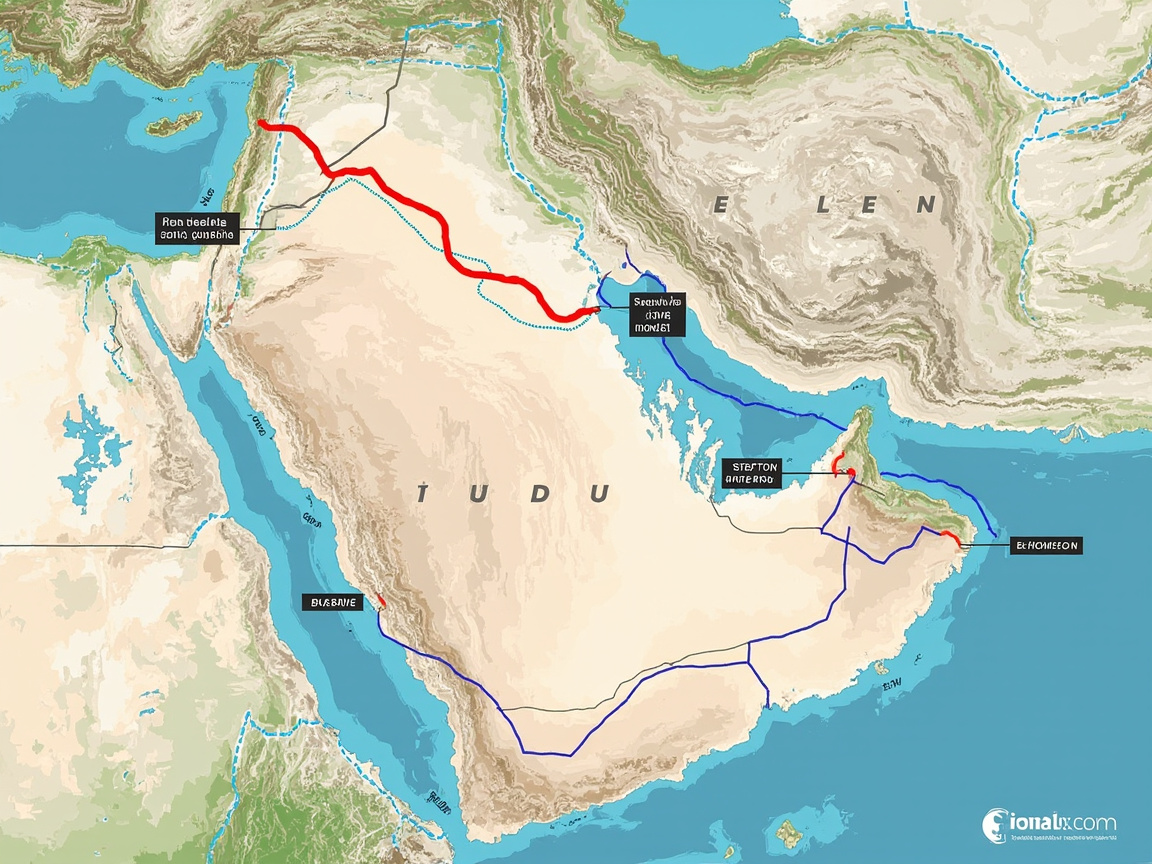
On the surface, it's a classic "risk-off" move. But the real story isn't the price move. It's the volume. Or rather, the **complete lack of it**. That contract has seen **zero USDC volume**.
---
### This Isn't Calm. It's Paralysis.
Reopening the strait should lower volatility. Instead, it's created a liquidity vacuum. Traders aren't agreeing that the coast is clear; they're refusing to bet at all. With no orders on the book, the market isn't stable—it's **fragile**. One modest trade could trigger a violent price swing. This isn't priced-in peace. It's priced-in **uncertainty**, with everyone holding their breath for the next headline.
Why the freeze? Because today's "de-escalation" is built on sand. A Trump mention of a "comprehensive deal," a shaky ceasefire rumor—these are verbal gestures, not durable agreements. The market fears the unknown trigger: a snapped negotiation, a border incident. This quiet is energy storing up for the next storm.
Crypto natives will recognize this pattern: it's the same hesitation big money shows around BTC ETFs when macro uncertainty looms. Conviction exists, but it's suppressed, waiting for a clear signal.
---
### Stop Watching Headlines. Watch These Triggers.
Forget broad geopolitical analysis. If you're exposed to oil or correlated crypto assets (like certain compute tokens or macro-hedge BTC positions), narrow your focus to these concrete catalysts:
1. **OPEC+'s Mouth:** The next utterance from Saudi Arabia's energy minister outweighs a hundred analyst reports. Any hint of production changes will gut this contract's logic.
2. **The EIA's Data Knife:** The U.S. Energy Information Administration's weekly inventory report is the fastest litmus test for the "supply is fine" narrative. When data diverges from the story, volatility wakes up.
3. **Washington's Tone:** Official statements from the U.S., especially from diplomatic and energy offices, are the highest-frequency gauge for how long "calm" will last. A subtle shift in language is your signal.
These are the pins. In a market this shallow, pulling one won't cause a nudge—it will cause a **lurch**.
---
### The Practical Takeaway
Your risk map needs an update. The primary threat is no longer "supply shock." It's **"accidental volatility in a liquidity desert."**
The zero-volume contract is a message: the market cannot price this transient calm because it doesn't believe it will last. We're in an **unstable equilibrium**. A nudge from any trigger above could break it, causing a price jump far larger than the news justifies.
The game now isn't predicting if oil goes up or down. It's judging which force—bullish or bearish—will break this fragile balance first. On a near-empty order book, whoever moves first gets to define price, however briefly.
Remember: where liquidity is scarce, news is amplified. This isn't the end. It's the **overture**. Your job isn't to guess the tune, but to listen for where the first loud beat will land.
| DISCLAIMER: The information on this website is provided as general market commentary and does not constitute investment advice. We encourage you to do your own research before investing. |
Recommended reading


Markets
2026-03-24
Markets
2026-02-26
Markets
2026-03-23
Latest News