• Thai-listed company DV8 has announced plans to build a corporate treasury of 10,000 Bitcoin.
• DoorDash, Chainlink & Oblong Market Shifts Guide (2026)
• Blockchain AI Convergence: Fact-Check & Market Guide (2026)
• Polygon's mainnet will undergo the Giugliano upgrade on April 8.
• PsiQuantum has started building its million-qubit quantum facility. Scientists say a machine this po
• Anthropic Discontinues Subscription Support for Third-Party Tools
• XRP ETF Forecasts & Bitmine’s $20B ETH Bet: 2026 Analysis
• Crypto & Tech Market Trends 2026: Pi, XRP, Robotaxi Safety
• DoorDash, Chainlink & Oblong Market Shifts Guide (2026)
• SEC v. Ripple Case Ends: XRP Outlook & Monero 51% Attack (2026)
Ceasefire Hopes Crater to 2%: How the Russia-Ukraine War Is Rewriting Crypto's Risk Playbook
2026-04-18 14:03:50
**Forget the Headlines—Markets Have Already Priced Out a Quick Peace**
The Institute for the Study of War just slashed the odds of a Russia-Ukraine ceasefire before April 30 to a mere 1.7%. That’s not just another geopolitical update—it’s the market voting with its wallet. **Short-term peace is off the table in pricing models**, and that shift is reshaping how crypto assesses risk.
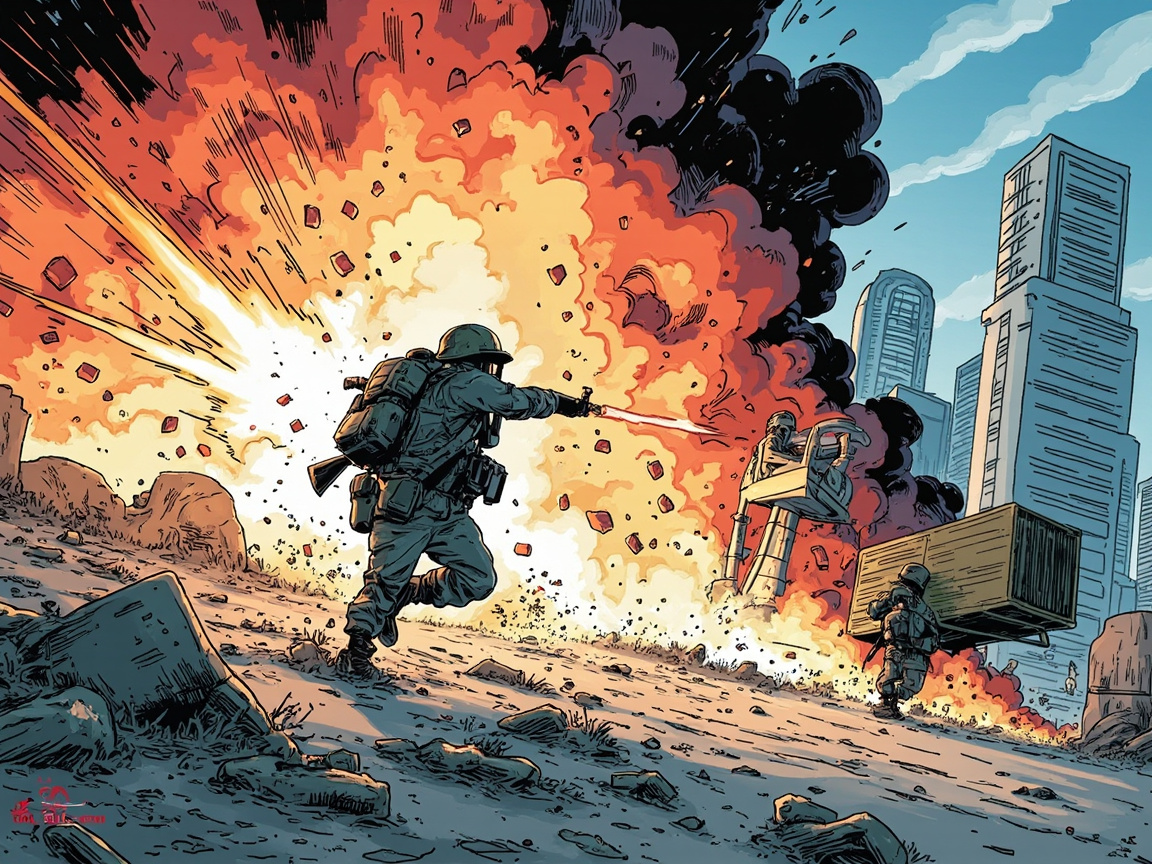
**1.7% Isn’t a Guess—It’s a Price**
A week ago, ceasefire probability stood at 2%. That 0.3% drop reflects real-money consensus in prediction markets, not analyst whims. Even December 31 contracts remain undefined—traders aren’t even bothering to model a 2024 resolution. **When markets go quiet, it often means the real risks aren’t yet priced in.**
**The Liquidity Mirage**
USDC prediction markets tell the story: $170k in nominal volume, but only $3,032 actually traded. This isn’t apathy—it’s clarity. With just $4,647 in depth needed to swing prices 5%, two things are clear:
1. No one’s betting big on low-probability events.
2. Any surprise news could trigger violent moves—the pool is too shallow.
**Thin markets magnify waves and sink boats.** Betting on a ceasefire now is pure roulette.
**50x Odds Are a Trap, Not an Opportunity**
Yes, a ceasefire before April 30 would deliver 50x returns. But history shows no substantive concessions from either side—Putin hasn’t budged, Zelenskyy hasn’t retreated, and mediation efforts have fizzled. **Those 50x odds are the market’s way of saying “this won’t happen.”** You’d get better certainty at a casino.
**What to Watch Instead of Ceasefire Dates**
Stop fixating on calendars. These signals matter more:
- **Battlefield Attrition:** Watch for unsustainable losses on both sides—that’s what forces negotiation. One-sided gains just prolong the fight.
- **Energy Flows:** Are Russia’s export routes getting blocked? How fast is Europe pivoting? This shapes long-term stability more than daily casualty counts.
- **Stablecoin Movements:** Abnormal USDC/USDT flows in specific regions can signal capital positioning early. On-chain data doesn’t lie.
**The Investor Reality Check**
The real danger isn’t the ongoing conflict—it’s anyone still banking on a miracle reversal. The market’s verdict is clear:
- 1.7% short-term ceasefire odds
- No 2024 resolution priced in
- Liquidity parked on the sidelines, not in bets
**Every “peace is near” narrative needs re-evaluation.** Mining migration routes, cross-border payment setups, safe-haven allocations—if you’re planning for a long war, your entire logic must adapt.
**Bottom Line**
Don’t get dazzled by 50x payouts. High odds mean low probability, and low-probability events require breaking entrenched structures—territory, sovereignty, energy ties, alliances. **Markets are smartest when they admit they can’t predict black swans.** That 1.7% is the market saying: *I see the miracle scenario, but I’m not betting on it.*
Neither should you. Track attrition, energy flows, and chain data—these move prices. Ceasefire dates? Just a timer showing how much market patience is left. When it hits zero and no miracle arrives, the liquidations will follow.
| DISCLAIMER: The information on this website is provided as general market commentary and does not constitute investment advice. We encourage you to do your own research before investing. |
Recommended reading



Markets
2026-03-24
Markets
2026-02-26
Markets
2026-03-23
Latest News